The People Strategist Who Thinks Beyond HR Functions
Darya Chadha
HR Director
East DSK Contracting LLC
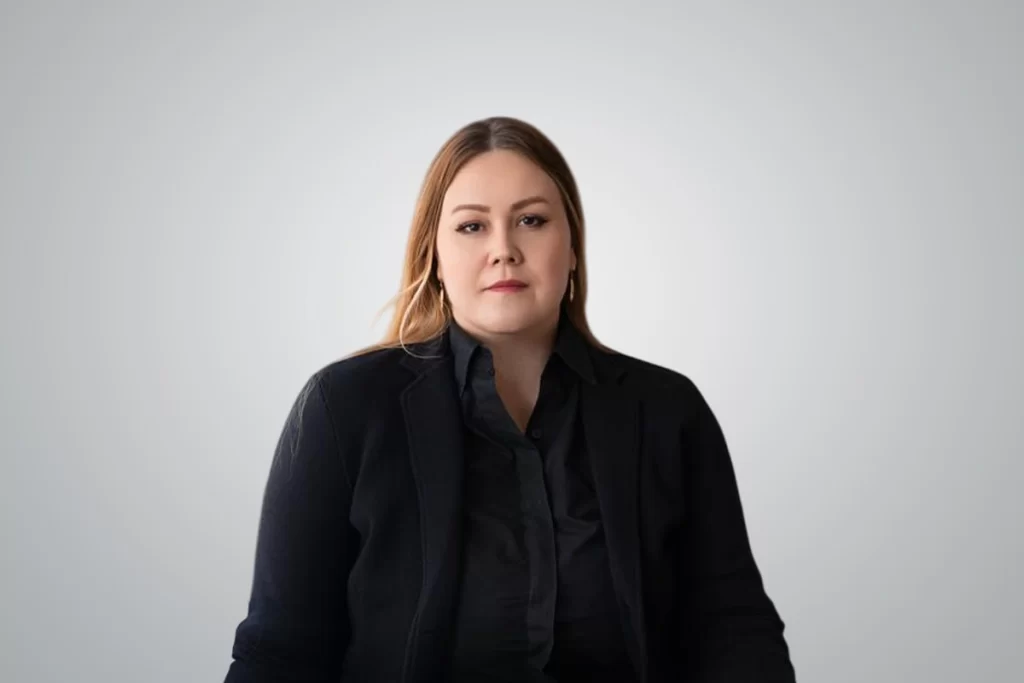
The People Strategist Who Thinks Beyond HR Functions
Darya Chadha
HR Director
East DSK Contracting LLC
After working across four very different industries, what has remained constant about great workplaces?
One thing that has always struck me is how little my answer to this question has changed. I’ve worked across the petrochemicals, pharmaceuticals, maritime shipping, and construction industries, which operate very differently from one another. Yet the factors that make people enjoy coming to work remain surprisingly consistent.
People want to trust their leaders, feel respected by their colleagues, and know that their contributions matter. While compensation and benefits are important, they rarely determine how people feel about a workplace on their own.
Many organisations look for industry-specific answers to engagement and culture challenges. My experience has been that most workplace issues are fundamentally human. When people feel supported, challenged, and trusted to do meaningful work, strong cultures tend to develop naturally, and performance usually follows.
Where is AI genuinely changing the way HR operates today?
The most interesting shift is that AI is beginning to move beyond assistance and into execution. Organisations are no longer using technology solely to automate administrative tasks. AI is helping identify workforce trends, anticipate capability gaps, forecast retention risks, and support planning decisions much earlier than before. This transition changes HR’s role because instead of spending time collecting information, teams can now focus on interpreting insights and taking action. Workforce intelligence is becoming increasingly valuable because it allows leaders to make decisions based on emerging patterns rather than historical reports.
Technology will continue becoming more sophisticated, but its value still depends on human judgment. The organisations that benefit most will not be those with the most tools. They will be the ones who combine digital intelligence with thoughtful leadership and a clear understanding of people.
If you could change one habit in the way organisations manage people, what would it be?
I would move away from the idea that people can be managed through standardised programs and processes. Consistency has its place, but employees are not identical, and neither are their ambitions. Organisations often design people practices around efficiency, then expect everyone to respond in the same way. Reality rarely works like that. Individuals bring different motivations, strengths, learning styles, and career goals to work.
The companies that stand out are usually the ones that take the time to understand those differences. Employees increasingly expect support that feels relevant to their own aspirations rather than generic development frameworks. The future of people management is not about creating more policies. It is about creating more understanding. Organisations that align individual growth with business goals will build stronger cultures, retain talent longer, and achieve better outcomes over time.
What has been the toughest people decision of your career?
The hardest decisions have never involved poor performers. They have involved talented, loyal, and respected individuals whose behaviour or mindset no longer aligns with the team’s direction.
Those situations are difficult because there is often genuine appreciation for the person and their contributions. At the same time, leaders have a responsibility that extends beyond any single individual. Team culture is fragile, and small misalignments can gradually influence accountability, collaboration, and trust.
One lesson leadership has reinforced repeatedly is that delaying difficult decisions rarely makes them easier. In most cases, it creates a larger challenge later. Protecting the long-term health of the team sometimes requires uncomfortable choices, even when they involve good people. Ultimately, the decision must favour the team and the culture you are trying to build.
What has worked best in building trust and retaining great people?
Many organisations assume retention is primarily about compensation or benefits. I have found that people are more likely to stay when they feel understood. A common mistake is assuming everyone wants the same career path. Some people are motivated by leadership opportunities, others by technical expertise, flexibility, learning, or new challenges. Treating those ambitions as identical often leads to frustration.
We have had better results by starting with individual goals and then aligning opportunities around them. Conversations become more meaningful because people can see how their personal aspirations connect with the work they are doing. Trust also depends on psychological safety. Employees need space to ask questions, share ideas, and acknowledge mistakes without fear of judgment. When trust, autonomy, and recognition come together, retention becomes a natural outcome rather than a separate initiative.
“The future of people management is not about creating more policies. It is about creating more understanding.”
Featured Magazine -

All Magazines-

Other Interviews-
- Eliud Jimenez-Most Inspiring Global HR Leaders 2026
- Tiffany Dorsey-Most Inspiring Global HR Leaders 2026
- Darya Chadha-Most Inspiring Global HR Leaders 2026
- Ângela Silva-Most Inspiring Global HR Leaders 2026
- Swapan Kumar-Best Corporate Leaders in USA 2026
- Aashik Khakoo-Best Corporate Leaders in USA 2026
- Inaas Arabi-Best Corporate Leaders in USA 2026
- Mark Newsome-Best Corporate Leaders in USA 2026
- Manar Elsakka-Best Corporate Leaders in USA 2026
- Dawn Stastny-Best Corporate Leaders in USA 2026
