Leading with Purpose and Precision
Joseph Frankie III
CEO
JFIII Associates LLC
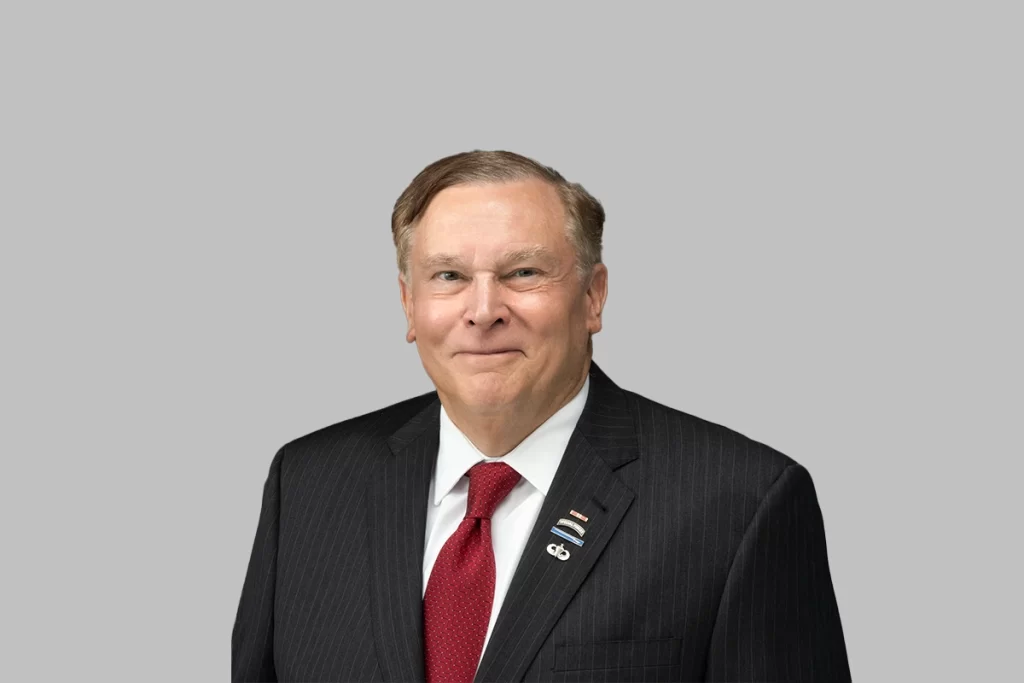
Leading with Purpose and Precision
Joseph Frankie III
CEO
JFIII Associates LLC
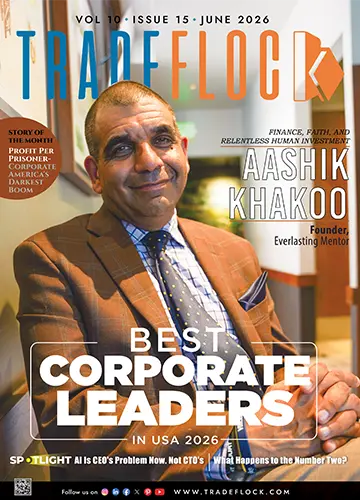
In the harsh truth of the corporate world, being overqualified can sometimes feel like a disadvantage—a lesson Joseph Frankie III learned early in his transition from military precision to business strategy. Today, as CEO of JFIII Associates LLC, he channels decades of leadership across some of the most complex military and corporate operations into guiding organizations through transformation and growth. From commanding 3,000 specialists in global airborne logistics to reshaping aviation maintenance processes in South Korea, Frankie’s career is dotted with milestones recognized by top military honors and strategic awards. Beyond accolades, his work now empowers clients to innovate, streamline operations, and scale impact. During an exclusive conversation with TradeFlock, he shared insights that redefine leadership in a modern, fast-paced world.
Can you walk us through your overall journey, from joining the military to becoming a senior executive, and highlight some of your biggest milestones?
I joined the Army just a month after graduating from high school. Four years at the Academy and then thirty years on active duty worldwide immersed me completely in military life. During that time, the focus was always on developing others. Every subordinate under my leadership had a path to follow: the next assignment, promotion, or specialized school. My job was to help them achieve it. This meant reviewing their experiences, identifying what they lacked, and creating growth opportunities. If someone needed communications experience, I ensured they handled equipment inventories, maintained readiness, and oversaw operations so that it would reflect on their record. Advising people became second nature— understanding their passions, helping them structure their paths, and preparing them to compete effectively for the next level. The same principles apply at all levels. Early in my career, I coached lieutenants; later, as a colonel, I guided colonels and lieutenant colonels. When I transitioned to the private sector, I realized that few people had mentors to guide them in this way. The skills I honed in the military—coaching, mentoring, and assisting others—naturally became my strengths in executive search. In that space, I saw a common challenge: many executives do not know how to market themselves. I often liken it to fishing. People want to catch trout, but they fish with steak. The fish, of course, prefer worms. The lesson is clear: success requires using the right approach to align with the opportunity. Today, tools like LinkedIn can make these qualities visible, yet most executives underutilize them. Understanding this gap has guided much of my work.
What are some of the most important lessons from your military and executive experiences, and how do you apply them today as CEO of JFIII Associates?
One consistent lesson is that relationships remain the most powerful pathway to opportunities. Beyond that, effective personal branding is critical. Many executives reach the top and find their network has plateaued—they must compete without the advantage of established connections. That is where tools like LinkedIn become indispensable. I often work with clients over the years to build visibility, credibility, and alignment between their skills and market demand. The goal is to position them accurately, ensuring that when someone searches for their expertise, they are seen in the right light. Many executives over 40 face a wakeup call: recruiters stop calling, and opportunities require more self-marketing than ever. The ability to articulate both intellectual and emotional capability becomes essential. The analogy of fishing applies here, too—executives often “fish” with what they prefer, not what the market demands. Aligning skills and presentation to the right audience makes the difference between being overlooked and being noticed.
Transitioning from the military to the corporate world can be challenging. What obstacles did you face, and how did you navigate them?
Transitioning to the private sector proved to be a much larger challenge than I expected. After thirty-four years in the military, I assumed my education and experience would carry me through. I quickly discovered that civilian corporate culture operated very differently. During interviews, I was often told, “You are the best we have seen,” yet I was not hired. One moment, I learned that I was overqualified for the positions I sought. My experience surpassed even that of the CEOs of some companies. They respected my skills but had no role for someone at my level for a mid-level position. That experience taught me a crucial lesson: corporate opportunities are often about timing, fit, and relationships rather than credentials alone. Following this insight, I began seeking roles where my broad, multifunctional talents could contribute meaningfully from the ground up. Being part of a startup or early-stage company allowed me to fully integrate into the culture and influence outcomes, rather than compete against established hierarchies in rigid corporate structures. It reinforced the importance of adaptability, observation, and understanding the unseen rules of a new environment.
How do you see generational differences shaping leadership today, and what advice would you give to the next generation of business leaders?
Listening has been the cornerstone of every success I have had, both in the military and private sector. Projects fail less because of technical gaps and more because communication and trust break down. Developing the skill to truly listen—especially for younger generations accustomed to screens, short messages, and constant multitasking—is critical. Interpersonal skills remain invaluable. Nonverbal cues, timing, and human interaction cannot be fully replicated by digital communication. Leaders who understand this can resolve conflicts, build trust, and inspire teams effectively. My advice to emerging leaders is to invest in observation, patience, and listening— skills that cannot be automated or rushed, yet define the most successful careers.
What does success mean to you, and how has that definition evolved over time?
Success changes as life progresses. Early on, it meant building skills, securing roles, and providing for family—essentially, being competent and competitive. Around the age of forty, life resembles halftime in football: it’s a moment to assess strategy. Should one continue the same path or shift focus toward significance? At this stage, I prioritize impact over volume. I choose clients who are ready to work and invest energy where it can create the most value. Helping others achieve their goals brings personal fulfillment. Maintaining health, staying active in multiple ventures, and mentoring rising leaders define significance. Success is no longer about the positions I hold, but about the influence and value I create for others.
Featured Magazine -

All Magazines-