

Execution-Driven Architect Of Value-Based Care
RaeAnn Grossman
CEO
HLTHWorks LLC
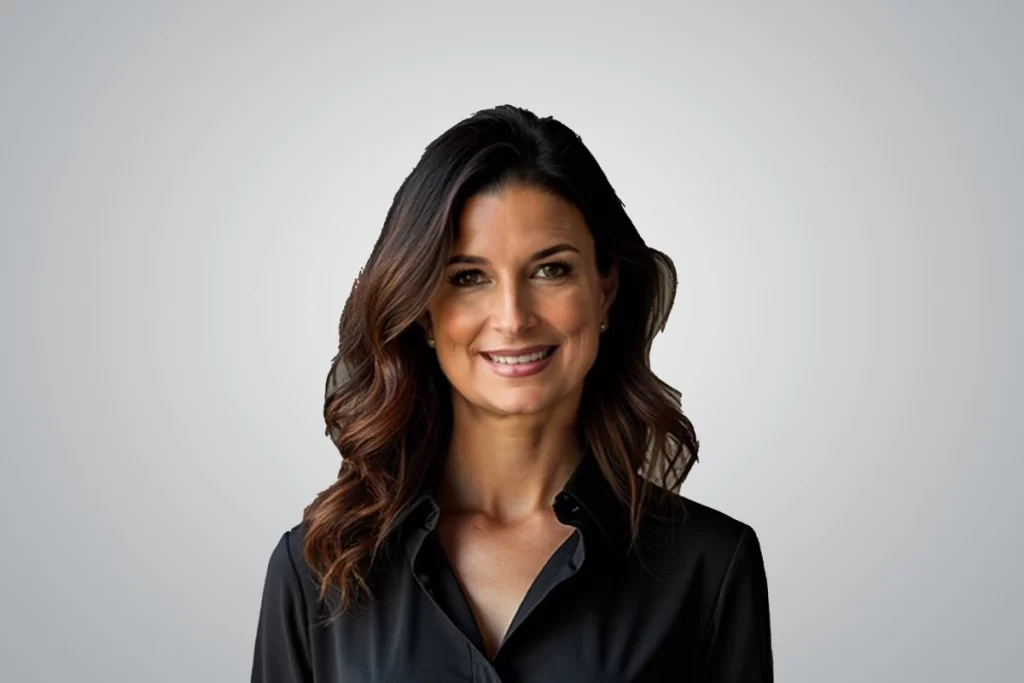
Execution-Driven Architect Of Value-Based Care
RaeAnn Grossman
CEO
HLTHWorks LLC
In healthcare, leadership is rarely about visibility. It is about endurance. About earning trust in rooms where complexity is high, margins are thin, and decisions quietly shape the lives of millions. For women leaders navigating this terrain, credibility is not granted. It is built over time through consistency, precision, and the resolve to deliver when the stakes are highest.
That reality has shaped the career of RaeAnn Grossman, CEO of HLTHWorks LLC. Over more than twenty-eight years, RaeAnn has led growth, turnarounds, and large-scale transformation across Medicare Advantage, Medicaid, and Commercial health plans and provider organizations, operating at the intersection of regulation, innovation, and operational accountability. From building billion-dollar healthcare platforms to advising boards and private equity firms, her leadership reflects a deeply held belief that impact is earned through disciplined execution, not rhetoric.
In conversation with TradeFlock, RaeAnn reflects on resilience, alignment, and what it truly takes to lead healthcare forward.
What first drew you to healthcare transformation, and how has that motivation evolved?
At my core, I have always been a servant leader, drawn to hard problems, especially those that directly affect people’s lives. Early in my career, what motivated me most was impact. I could see how fragmented systems, misaligned incentives, and unnecessary complexity made healthcare harder than it needed to be, and I felt a responsibility to help change that.
Over time, I learned that intention alone is not enough. Lasting transformation requires the ability to build strong teams, repair broken processes, and apply technology in ways that create accountability and measurable improvement. My years as a competitive athlete shaped this perspective deeply. In sport, success is never accidental. It comes from preparation, discipline, and moving teams towards a shared goal.
As I worked across payers, providers, and government initiatives, that mindset matured further. I learned to respect the system, understand regulation, and design solutions that are ethical, compliant, and sustainable. Today, my motivation is steadier and more grounded. It is about creating environments where people thrive, aligning teams around purpose, and improving health outcomes through consistency, clarity, and care.
How do you practice simplicity when operating at the highest levels of leadership?
At senior levels, simplicity is not about doing less. It is about choosing what truly matters and eliminating everything that distracts from it. I focus on aligning teams around a clear, mission-driven goal and ensuring that priorities remain visible, understood, and actionable. Influence comes from focus, not noise.
I challenge myself and the leaders around me to move from good to great, not through pressure, but through clarity and accountability. Simplicity shows up as disciplined execution, continuity of vision, and the courage to say no to initiatives that dilute impact. When teams understand the purpose and trust the process, momentum builds naturally.
For me, simplicity is not a leadership style. It is a responsibility. When clarity exists at the top, it cascades through the organization, improves outcomes, and makes meaningful progress in healthcare possible.
What mindset will be non-negotiable for future healthcare leaders, and how are you developing it?
The non-negotiable mindset for future healthcare leaders is to put patients first. With my teams and clients, we design every operating model around a simple question: how would you want your own family member to be treated? That perspective cuts through complexity and exposes where systems have drifted away from their purpose.
I develop this mindset by embedding empathy into strategy and holding teams accountable to outcomes that genuinely improve both patient and provider experiences. Cost reduction and quality improvement matter, but when care is designed around patients, those outcomes follow more naturally and more quickly.
Reframing healthcare is not easy, and progress is rarely dramatic. But moving the system even 1% better each day is meaningful work. It builds trust, strengthens teams, and reminds us why this responsibility matters.
What is the most underestimated challenge in transforming U.S. healthcare, and how do you address it?
"The most underestimated challenge in transforming U.S. healthcare is clarity to focus."
Not technology. Not capital. And not policy in isolation. Real progress stalls when organizations are not aligned around a shared definition of success that includes outcomes, affordability, access, and accountability.
Healthcare has become fragmented by competing incentives, regulatory shifts, and organizational silos. The friction this creates is often invisible until it manifests as poor patient experiences, administrative burden, and stalled value-based care efforts. Patients are left uncertain about next steps, providers are overwhelmed, and leadership teams struggle to execute cohesively.
My role is to close that redesign gap through cultural transformation and execution excellence. That means helping organizations translate strategy into clear operating models, strengthening governance, clarifying accountability, and turning regulatory complexity into practical workflows. Transformation does not come from more ideas. It comes from aligned leadership, clear communication, and disciplined follow-through. That is where I focus my energy.
As AI and virtual care expand, what ethical and strategic principles must leaders protect?
As AI and virtual care become more embedded in healthcare, leaders must be intentional about ensuring innovation expands access rather than deepens inequality. That begins with patient-first design, especially for those who are most vulnerable. Technology should reduce friction, simplify the care journey, and make healthcare easier to navigate, not more intimidating.
Equally important is protecting the role of clinicians. AI should never replace clinical judgment or human connection. Its role is to support physicians by reducing administrative burden, surfacing meaningful insights, and improving shared decision-making. When designed responsibly, technology gives clinicians the space to be fully present and restores dignity to the patient experience.
Ethical innovation is not about efficiency alone. It is about trust, equity, and outcomes. When those principles guide design, technology becomes a tool for better care, not just faster care.
Featured Magazine -

All Magazines-







Other Interviews-
- Swapan Kumar-Best Corporate Leaders in USA 2026
- Aashik Khakoo-Best Corporate Leaders in USA 2026
- Inaas Arabi-Best Corporate Leaders in USA 2026
- Mark Newsome-Best Corporate Leaders in USA 2026
- Manar Elsakka-Best Corporate Leaders in USA 2026
- Dawn Stastny-Best Corporate Leaders in USA 2026
- Troy Negley-Most Inspiring Global HR Leaders 2026
- S. Indrani Shanmugam-Most Impactful Women Leaders from Asia 2026
- Gutti Malleswara Reddy-10 Best Tech Leaders in India 2026
- Rajesh Pasari-Best Education Leaders in India 2026
