
Designing Human Capital for Organisational Resilience
Souvik Bhattacharjee
Associate Director - HR
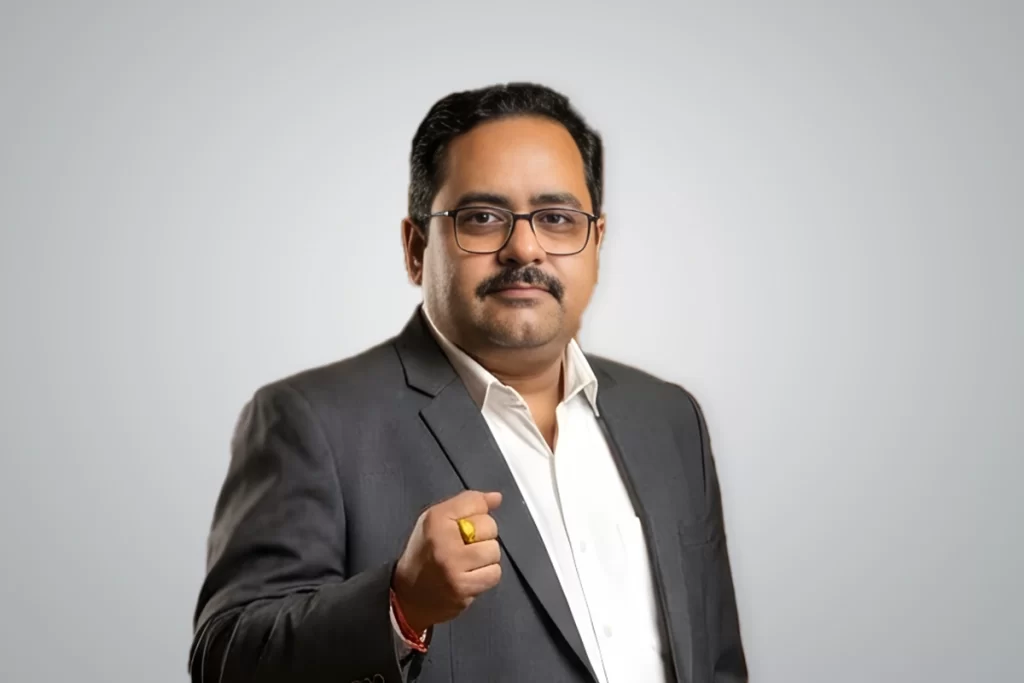
Designing Human Capital for Organisational Resilience
Souvik Bhattacharjee
Associate Director - HR
Gleeds Consulting (India)
Human capital rarely becomes a competitive advantage by accident. It is intentionally designed, carefully aligned, and continuously strengthened. Over the past 17 years, Souvik Bhattacharjee has grown into that rare HR leader who treats talent as architecture, not administration. As Associate Director – HR at Gleeds Consulting (India), he positions people strategy at the heart of business resilience rather than as a supporting function.
At Gleeds, he leads HR Operations, Performance Management, Succession Planning, and Employee Experience, while advising on Talent Management and Transformation. His cross-sector journey spanning hospitality, technology start-ups, consulting, global EdTech, and construction has shaped a multidimensional perspective on sustainable growth. Early in his career, impact was measured by speed: faster hiring and swift policy execution. Today, he views talent strategy as a long-term blueprint that strengthens culture, builds leadership pipelines, and drives competitive advantage.
Across industries, one insight has remained constant: organisations win not by hiring talent alone, but by creating ecosystems that foster learning agility and leadership continuity. With over eight years in EdTech leadership and progressive growth at Gleeds, Souvik champions capability forecasting, structured succession planning, and sustainable engagement.
Anchoring his leadership philosophy is a simple yet powerful principle: “clarity with empathy”. Clear expectations and career pathways, balanced with genuine regard for individual aspirations. “When people understand their role in the larger vision and feel truly valued, performance follows naturally, and organisations thrive sustainably,” said Souvik in an exclusive interview with TradeFlock. Here is the excerpt from the interview.
What challenges do HRs face in balancing tech with human-centred practices? How can organisations address it?
A key challenge is personalisation at scale. Standardised systems ensure consistency but can overlook individual aspirations and learning styles. Digital fatigue and resistance to change, especially across multigenerational workforces, add complexity. The balance lies in treating technology as an enabler, not a substitute for human connection.
Organisations must adopt tools intentionally, solve defined problems, and invest in communication and training. While automation can reduce administrative load, critical areas like coaching, leadership development, and culture-building require human judgement. Data should inform decisions, but relationships must continue to guide them.
How do you define a great workplace, and what steps have you taken to build one?
For me, the “best place to work” is defined less by perks and more by purpose, psychological safety, and visible growth pathways. It is an environment where employees understand the impact of their work, feel respected when sharing ideas, and can clearly envision their future within the organisation. Performance and well-being should reinforce each other rather than compete.
Three elements define a great workplace. Role clarity and fairness come through frameworks like Role Navigators, reducing ambiguity in expectations and evaluation. Continuous engagement and feedback ensure ongoing dialogue, supported by leadership interaction platforms. Development and mobility are fostered via structured promotions, learning platforms, and internal growth opportunities, allowing employees to advance without leaving. Together, these pillars create an environment where employees feel valued, empowered, and motivated to excel.
Diversity and inclusion initiatives, leadership capability building, and transparent HR digitisation further strengthen trust. Ultimately, the best workplace is an outcome, not a label. Awards are meaningful milestones, but the real indicator is when employees voluntarily advocate for the organisation and grow alongside it.
What tools and technologies are you using today, and how have they enhanced your impact?
At Gleeds, our adoption of technology has been deliberate and strategically aligned with organisational growth. Following rapid expansion post-2020, we implemented Keka HRMS to serve as the backbone for core HR operations, including attendance, leave management, payroll inputs, and documentation. This has brought much-needed scalability, accuracy, and consistency to our processes.
In addition, we are integrating performance management modules and leveraging Abara LMS alongside Keka to create structured learning and development journeys for employees. These initiatives have reduced paperwork, improved accessibility to real-time employee data, and enhanced overall operational reliability.
By automating routine administrative tasks, technology has freed bandwidth for strategic priorities such as leadership development, competency mapping, and succession planning, ensuring that HR remains focused on people while processes run seamlessly.
What leadership mindset defines HR success today, and how do you build it in future leaders?
An essential mindset for HR professionals today is the ability to think like a business leader while acting as a steward of people. HR now must understand revenue models, operational challenges, and market realities while shaping culture and engagement. Continuous learning is equally critical as workplace expectations and technologies evolve rapidly.
Another vital capability is influencing without authority, guiding decisions and shaping behaviour across stakeholders who may not directly report into HR. This requires credibility built through data, ethical consistency, and strong communication that converts complex people issues into actionable insight.
In developing emerging HR leaders, I focus on exposure, ownership, and foundational depth. Cross-functional exposure broadens perspective, end-to-end ownership builds accountability, and strengthening core HR fundamentals ensures decisions are grounded in sound practice rather than trends alone. I also encourage comfort with analytics and technology while preserving empathy in interactions. The goal is to nurture leaders who are analytical yet approachable, decisive yet fair, and strategic yet deeply human.
Featured Magazine -

All Magazines-
Other Interviews-
- Victoria Tzareva-Most Influential Leaders to Watch in 2026
- Mitul Gada-Most Influential Leaders in India 2026
- Anu Bedi Salwan-Women Leaders in India 2026
- Shweta Singh-Women Leaders in India 2026
- Archana Tarun Dave-Women Leaders in India 2026
- Dr Bharati Banerjee-Women Leaders in India 2026
- Justine Paula Nichol-10 Best Healthcare Executives Transforming 2026
- Vivek Jhanjhri-10 Best COOs in India 2026
- Jerry Creech-10 Best Healthcare Executives Transforming 2026
- Daniel Gandia-10 Best Healthcare Executives Transforming 2026
