
Leadership Tested in Chaos, Defined in Transformation
Anil Pande
Chief Operating Officer
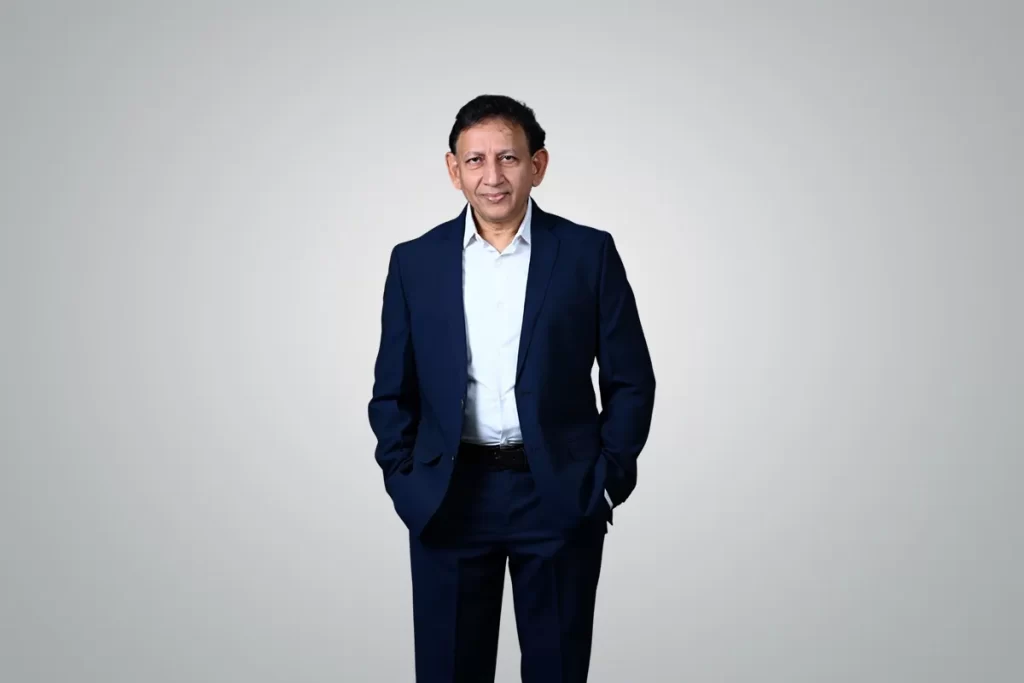
10 Best Business Leaders in India 2026
Anil Pande
Chief Operating Officer
.
When organisations face inflection points, Anil Pande is often engaged not for rhetoric, but for resolution. His leadership has been shaped in environments marked by complexity, constrained resources, and decisions carrying direct operational and human impact. With experience spanning operations, quality, compliance, people governance, and country-level leadership, he brings a holistic understanding of how challenges surface across an enterprise, not only at the strategic apex, but deep within its systems, processes, and execution layers.
As an entrepreneurial business leader and transformation executive, Anil approaches transformation with disciplined pragmatism. He treats data as a decision-making tool rather than an end in itself and positions governance as a structural enabler of speed, accountability, and sustainability. In the context of AI-driven change, he emphasizes continuous reskilling to ensure technology strengthens human judgment rather than replaces it.
This approach is anchored in a clearly articulated leadership philosophy: Think big. Act with discipline. Eliminate ambiguity. Respect time. Uplift people. Serve the nation. And never stop correcting yourself. Beyond formal roles, his engagement extends to mentoring, awareness-building, and nation-orientated social contribution. How this philosophy translates into action is explored in this exclusive interview.
Which phases of your leadership journey tested and defined you?
The most testing phases were those defined by crisis, ambiguity, and instability—situations where information was incomplete, systems were weak or absent, and decisions still had to be taken with accountability. I have led through operational chaos, deep conflicts, and environments marked by persistent negativity and poor leadership practices. These moments demanded resilience, emotional discipline, and the ability to remain principled under pressure.
What ultimately defined me were the transformation phases that followed, like reviving declining businesses, restoring performance, and building structure where disorder existed. Introducing governance, disciplined execution, and clear operating standards became central to my leadership approach. Equally important was developing people through turning individuals into consistent performers and shaping positive, high-performance cultures. These experiences reinforced a belief I hold strongly: leadership is tested in chaos, defined through transformation, and sustained by clarity and values.
Which leadership decision in your career had the greatest impact, positive or negative?
The leadership decision with the most disproportionate impact was eliminating ambiguity early—across strategy, conduct, and performance. I believe clarity is kindness; clear expectations, honest communication, and consistent follow-through build trust faster than incentives or pressure.
Speed, in my experience, comes from clarity, not urgency. Equally defining was prioritising long-term credibility over short-term wins. While shortcuts can produce immediate results, they steadily erode trust. Protecting integrity and institutional credibility consistently led to stronger, more sustainable outcomes over time.
What capability will matter most for the next generation of Indian business leaders in 2026 and beyond?
The most critical capability for the next generation of Indian business leaders will be entrepreneurial, analytical, and AI-ready leadership. Future leaders must think like owners, taking full accountability for outcomes, while remaining deeply data-driven and logical in decision-making. AI will need to be embedded into everyday work, but leaders must retain control, judgment, and responsibility, ensuring technology augments thinking rather than replaces it.
Equally important will be a global outlook: understanding cross-border governance, navigating regulatory and cultural complexity, and building strong international partnerships. Relationship-building and collaboration will matter as much as execution. Ultimately, successful leaders will combine entrepreneurial mindsets, AI fluency, global awareness, and relational intelligence, while staying anchored in ethics, integrity, and human-centric governance.
What people and leadership challenges did you face while building and scaling organizations, and how did you address them?
While building and scaling organisations, the most common challenges I encountered were political behaviour, cultural misalignment, weak teamwork, and limited cross-functional collaboration, along with inconsistent adherence to workplace conduct. Political dynamics typically emerged where goals were unclear and accountability was diffused. Rapid expansion often diluted core values, fragmenting teams and weakening alignment. Siloed functions slowed execution and created avoidable friction, while poorly defined or enforced codes of conduct eroded trust, fairness, and morale.
I addressed these challenges through clarity, governance, and sustained leadership engagement. This involved setting clear priorities and direction, strengthening HR governance to act as the custodian of culture and conduct, and investing time in mentoring and coaching leaders and teams. Equally important was building a positive, growth-orientated culture where collaboration, respect, and dignity were non-negotiable. These practices improved alignment, enhanced engagement, and created long-term organisational resilience.
How will leadership evolve over the next five years amid AI adoption and global uncertainty?
Leadership over the next five years will be defined by a careful balance between timeless management fundamentals and rapid adaptation to technological and global change. Clarity of goals, operational discipline, accountability, and ease of doing business will remain non-negotiable, even as AI becomes central to daily operations.
Future-ready leaders will begin living the AI way, integrating it into routine decision-making, strategy, and execution to enhance speed and precision. At the same time, leaders must remain acutely aware of geopolitical shifts, market volatility, and local realities. Strategic foresight and continuous alignment with changing conditions will separate proactive leaders from reactive managers. Ultimately, those who succeed will embrace AI responsibly, think globally, act locally, and anchor decisions in strong values, governance, and human judgement.
Featured Magazine -

All Magazines-



Other Interviews-
- Swapan Kumar-Best Corporate Leaders in USA 2026
- Aashik Khakoo-Best Corporate Leaders in USA 2026
- Inaas Arabi-Best Corporate Leaders in USA 2026
- Mark Newsome-Best Corporate Leaders in USA 2026
- Manar Elsakka-Best Corporate Leaders in USA 2026
- Dawn Stastny-Best Corporate Leaders in USA 2026
- Troy Negley-Most Inspiring Global HR Leaders 2026
- S. Indrani Shanmugam-Most Impactful Women Leaders from Asia 2026
- Gutti Malleswara Reddy-10 Best Tech Leaders in India 2026
- Rajesh Pasari-Best Education Leaders in India 2026
