





40 Under 40 2026

Transforming Indian Healthcare with Systems and Empathy

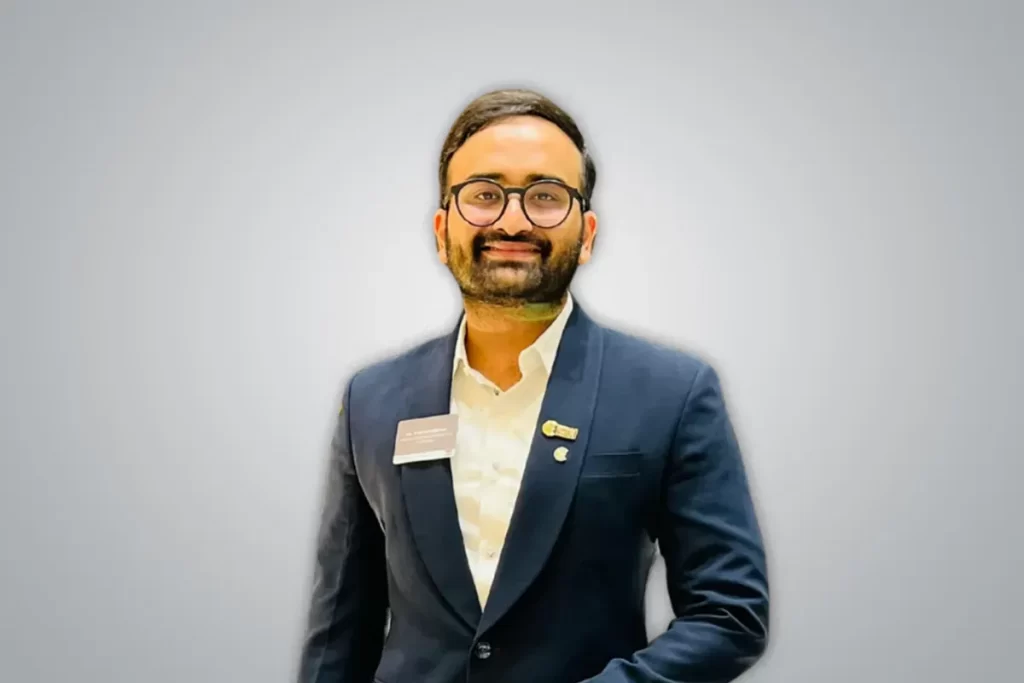
Dr. Shravan Khetan

Managing Director

Shravan Hospital Pvt Ltd (SHPL)

Dr. Shravan Khetan - 40 Under 40 2026
40 Under 40 2026

Transforming Indian Healthcare with Systems and Empathy

Dr. Shravan Khetan

Managing Director

Shravan Hospital Pvt Ltd (SHPL)

Having lived on both sides of the healthcare spectrum, the clinical environment and the management table, Dr Shravan Khetan brings a perspective that is both rare and deeply informed. A medically trained professional with formal education in healthcare management, his leadership is guided by the principle that healthcare decisions must be clinically grounded, operationally sound, and strategically sustainable.

Dr Shravan’s early hands-on experience within hospital systems gave him an intimate understanding of how care is delivered: how doctors think, where processes break down, and how inefficiencies directly affect patient outcomes. This exposure instilled a deep respect for clinical realities, ensuring strategic decisions are always aligned with on-ground practice.

Complementing his clinical foundation is his training in healthcare management, enabling him to view hospitals as complex organisations requiring governance, structure, and long-term planning. This dual lens helps bridge a common gap, which is the disconnect between clinical priorities and administrative decision-making, ensuring systems support medical excellence rather than constrain it.

As Managing Director of Shravan Hospital Pvt Ltd, Dr Shravan focuses on building scalable, system-driven models that empower clinicians to focus on patient care, while management frameworks drive efficiency, compliance, and growth. Speaking with TradeFlock, he shares deeper insights into his journey and the transformative work at SHPL.

What is the most critical strategic shift India’s healthcare system needs to balance cost, quality, and access?

India has demonstrated the ability to deliver healthcare cost-effectively compared to many global systems. However, the real challenge over the next decade is not just affordability but ensuring consistent quality and scalable access across geographies and hospital types. From my experience, the most critical strategic shift required is the professionalisation of hospital management and systems.

Much of Indian healthcare is still led by clinicians who also handle administrative responsibilities. While this model has worked historically, it is increasingly unsustainable. Many institutions, particularly in Tier-2 and Tier-3 cities, lack structured administrative roles and trained management professionals, making systems heavily person-dependent.

Just as clinical excellence requires specialised teams, modern healthcare delivery demands qualified management, robust systems, and strong governance to ensure consistent, scalable, and sustainable care nationwide.

Which emerging healthcare technology do you think will most improve patient outcomes, and why?

While AI-assisted diagnostics, digital platforms, and data-driven tools hold great promise, their impact depends on thoughtful integration into healthcare delivery. Healthcare is service-driven, and outcomes rely on human judgement, clinical experience, empathy, and execution.

AI and digital tools can optimise workflows, support clinical decisions, identify risks early, and improve patient experience. However, overreliance, especially in treatment decisions, carries real risks, as errors can directly affect lives.

The most meaningful innovation is human-centred technology is tools that support clinicians rather than replace them. By reducing administrative burden, improving efficiency, and enhancing service quality while keeping final decisions with humans, technology can strengthen care responsibly and sustainably.

Quick Fire 40

Age: 31
Secret Sauce of Leadership: Empower your team, build their skills, coach consistently, provide support, and step back when necessary.
Favourite Book: The One Thing
Biggest Inspiration: My father’s dedication, consistency, and discipline inspire me profoundly every day.
Advice: Know your strengths, evolve continuously, and grow with the right people.

How do you foster empathy and resilience in yourself and your teams in high-pressure healthcare situations?

In healthcare, empathy cannot be occasional; it must be a consistent mindset, especially in high stress, emotionally charged situations.

Personally, I try to see things from the patient’s or family’s perspective, asking: Would this feel acceptable if I were on the other side of the bed? This guides even small decisions. For example, when designing patient spaces or services, the focus is not on luxury but on dignity and comfort, something I would feel at ease with as a patient.

At a team level, empathy and resilience are cultivated through culture, not instructions. We prioritise ownership over obedience, encouraging team members to take responsibility for outcomes because, in healthcare, these often matter greatly.

Leadership style is equally important. Resilience cannot thrive in fear; coaching, feedback, and support build trust and enable staff to show empathy under pressure. Sustainable empathy emerges from calm leadership, systems that reduce burnout, and a culture that empowers people to bring their best selves to work, naturally fostering resilience.

What is the biggest soft-skill gap among young healthcare professionals, and how can it be addressed?

In my experience, the most pressing soft-skill gap among young healthcare professionals is effective communication. Healthcare operates in high-stakes, emotionally sensitive environments where communication shapes outcomes, not only clinically, but also in how care is experienced by patients and families.

While technical competence is emphasised in medical training, communication often receives less focus. This gap appears when explaining treatment plans, coordinating teams, managing expectations, or handling difficult conversations. Poor communication can lead to misunderstandings, reduced trust, internal friction, and stress, all affecting care delivery.

Many institutions now provide formal communication training, including structured approaches to breaking bad news and managing sensitive situations. However, training alone is insufficient. Leadership behaviour is critical, and young leaders must also learn to trust systems and delegate effectively. Integrating communication and leadership development, fostering safe feedback environments, and modelling these behaviours at senior levels ensures teams perform better and patient care improves.


[contact-form-7 id="3f9774f" title="Most Progressive Real Estate Leaders From Asia 2025"]

[contact-form-7 id="7fabb2a" title="Most Influential Leaders To Watch in 2025"]

[contact-form-7 id="aa908df" title="India's 10 Most Influential Healthcare Leaders 2025"]

[contact-form-7 id="84a1b1a" title="10 Best Business Leaders in India 2025"]

[contact-form-7 id="4d05171" title="10 Best Tech Leaders from Asia 2025"]

[contact-form-7 id="166c8b2" title="Most-inspiring-Business-leaders-From-Indonesia-2025"]

[contact-form-7 id="9685aaf" title="Most-Influential-Oil-&-Gas-Industry-Leaders-in-the-Middle-East-2025"]

[contact-form-7 id="2040a28" title="10-Best-Tech-Leaders-from-Asia-2025"]

[contact-form-7 id="64ef443" title="10-Best-HR-Leaders-in-India-2025"]

[contact-form-7 id="73758e5" title="10-Best-Business-Leaders-in-India-2025"]

[contact-form-7 id="ace66be" title="Leaders in Grow & Revenue in india 2024"]

[contact-form-7 id="403f7fb" title="10 Best Marketing Leaders in india 2025"]

[contact-form-7 id="6f3fb31" title="Best Retail Leaders in india 2024"]

[contact-form-7 id="2272d4e" title="Most Inspiring Business Directors in india 2024"]

[contact-form-7 id="fe6c804" title="Nominate Now"]