
Combining Data, Empathy, and Leadership to Shape Culture
Sachin Awasthi
Director Human Resources
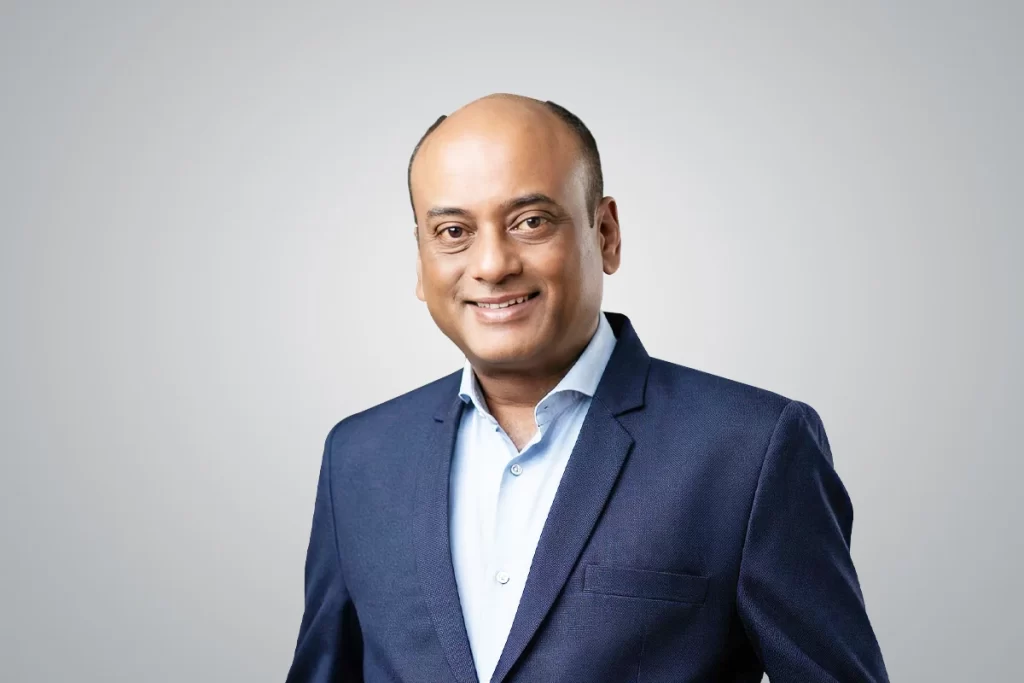
Combining Data, Empathy, and Leadership to Shape Culture
Sachin Awasthi
Director Human Resources
Zones India
India’s fastest-growing enterprises are learning an important lesson: strategy cannot outpace the strength of their people systems. In the AI era, HR is more than a back-office function; it is the engine that determines whether ambition becomes sustainable growth. Leaders who recognise this shift are supporting the business and shaping its future. Sachin Awasthi is one of those leaders.
As Director – Human Resources at Zones India, he stepped in at a pivotal time. The company was scaling quickly, but HR processes were manual, fragmented, and reactive. Critical workforce data sat in spreadsheets. Attrition trends were identified after key talent had already walked out the door. Leadership discussions were driven by hindsight instead of forward-looking insights. The challenge was not merely operational inefficiency. It was the growing gap between business ambition and organisational readiness.
Sachin approached the situation with clarity and resolve. He first strengthened the foundation by standardising and digitising core HR processes, ensuring data accuracy and consistency. Once that groundwork was in place, he introduced AI-powered analytics to anticipate attrition risks, refine workforce planning, and enhance hiring precision. Through a phased and disciplined roadmap, HR steadily transitioned from a transactional function to a trusted strategic partner. The outcomes were significant. Over 40% improvement in process efficiency, lower regretted attrition, sharper forecasting, and stronger influence at the leadership table.
Speaking exclusively with TradeFlock, Sachin emphasised trust, transparency, and accountability without blame. By combining data intelligence with human empathy, he is building an HR function designed for growth and lasting resilience. How? Let’s read here.
Which leadership habits help HR leaders foster team unity, accountability, and psychological safety?
With 20 years in HR leadership, I anchor my approach in a few non-negotiable habits. Clarity before accountability ensures roles, KRAs, and success metrics are explicit, allowing ownership to emerge naturally. Transparency builds unity. Shared dashboards, open conversations, and visible data create collective responsibility.
I encourage challenging ideas while respecting individuals, fostering psychological safety where diverse perspectives thrive. Strong standards guide performance, and accountability starts at the top; when leaders acknowledge their gaps, teams follow suit. Culture grows through consistent actions, including clarity, fairness, and openness, thus strengthening unity, deepening accountability, and making trust the team’s default setting.
How can HR enforce policy on moonlighting while supporting employee ambition and organisational alignment?
Moonlighting is not always misconduct; it is often a signal of ambition, financial priorities, or the desire to build new skills. HR’s role is to balance policy with perspective through clarity, fairness, and flexibility.
Start by defining non-negotiables: conflict of interest, confidentiality, and performance standards. Remove ambiguity. Then shift focus from control to outcomes. If performance and compliance remain strong, excessive rigidity can erode trust faster than a side hustle.
Equally important is creating internal growth avenues. Cross-functional projects, stretch assignments, and skill-based gigs reduce the need to look outside. Most importantly, have transparent, adult conversations. When empathy encourages disclosure, HR can align individual aspiration with organisational goals.
How would you describe your HR leadership in a sentence? How are you making it sharper and more future-aligned?
I describe my HR leadership in one line as business-first, people-centred, and data-intelligent. I view HR not as a support function but as a strategic growth engine where talent decisions align to revenue, culture aligns to performance, and data sharpens every leadership call.
To keep it future-ready, I focus on three shifts: moving from intuition to predictive insight by embedding analytics and AI into workforce strategy; from process excellence to impact excellence by measuring outcomes, not activity; and from policy enforcement to capability enablement by equipping leaders to manage complexity. The future of HR is architectural, and that is what I am building.
How can HR leaders leverage data, AI, and people analytics while keeping the human element in a multi-generational workforce?
Integrating data, AI, and people analytics is not about replacing human judgement. It’s about amplifying it. The real challenge for HR leaders, especially in a three-generation workforce, is balancing algorithmic precision with emotional intelligence.
The foundation lies in clean, reliable data with standardised KPIs across hiring, performance, engagement, and attrition. AI then identifies patterns like attrition risks, performance gaps, or engagement dips, but humans interpret the “why”, applying empathy to validate insights. Segmentation is critical: Gen X, Millennials, and Gen Z have distinct motivators, and analytics should enable tailored engagement strategies, not blanket solutions.
Predictive workforce planning ensures proactive management of capability gaps, succession risks, and skill obsolescence, reducing reactive hiring and burnout-driven exits. Radical transparency in how data is used fosters trust, while ethical AI governance ensures accountability.
Leaders must be trained in both data literacy and emotional literacy, knowing when to rely on dashboards and when human insight must prevail. Success is measured by efficiency, human outcomes, engagement quality, internal mobility, leadership bench strength, and psychological safety, thus ensuring that people remain at the centre of every data-driven decision.
What early signs indicate revenge quitting, and how can HR intervene to prevent attrition?
Revenge quitting rarely happens overnight. It builds quietly. Early indicators are subtle but telling. A high performer may suddenly disengage, reduce collaboration, withdraw from informal interactions, or display visible frustration after feedback or promotion decisions. There may be increased unplanned leave or a noticeable shift to doing only the bare minimum. These behaviours often signal emotional withdrawal rooted in feeling unheard, overlooked, or treated unfairly.
HR leaders must intervene before disengagement becomes resignation. Skip-level discussions, stay interviews, and intentional listening can uncover underlying concerns early. Addressing perceived inequity swiftly is essential, as most revenge exits stem from broken trust rather than compensation gaps. Coaching managers on fair communication, transparent decisions, and balanced feedback minimises triggers. Restoring clarity, recognition, and growth pathways helps rebuild dignity, and when trust is repaired early, attrition is often prevented.
What steps make inclusion a tangible part of performance and leadership metrics?
Inclusion becomes meaningful when it shapes rewards, performance ratings, and reputation. Tie inclusive leadership to measurable KPIs, not just statements. Align promotions and bonuses with team diversity, engagement, and retention equity. Track data rigorously, like hiring mix, pay equity, and succession pipelines, with the same discipline as revenue metrics. Hold leaders accountable for gaps in engagement or attrition, making inclusion a leadership responsibility. When outcomes are measured and rewarded, inclusion moves beyond words and becomes embedded in the organisation’s culture.
Which leadership practices most effectively drive engagement and reduce turnover?
With over two decades in HR leadership, I have learned that lasting engagement is not created through perks or periodic programmes; it is built through leadership consistency. Organisations that successfully minimise turnover focus on a few core practices and execute them with discipline.
First, they ensure purpose alignment at every level. Employees stay when they understand how their KRAs connect to broader business outcomes. When leaders consistently link individual contributions to organisational strategy, engagement becomes meaningful rather than mechanical.
Second, they institutionalise structured and frequent conversations. Annual appraisals alone are insufficient. Regular performance check-ins, biannual career discussions, and proactive stay interviews help surface concerns early. Silence breeds disengagement, while structured dialogue sustains trust.
Strong manager capability is another critical lever. Employees often leave managers, not companies. Investing in coaching skills, feedback quality, and conflict management directly reduces attrition because leadership behaviour shapes daily culture.
Equally important are visible growth pathways, internal mobility, and transparent performance systems. When opportunities are clear and fairness is evident, trust strengthens. Finally, data-led engagement monitoring enables early intervention, preventing issues before they become exits.
What career advice do you have for mid-level professionals aiming to grow, adapt, and build resilience?
For mid-level professionals, this phase is decisive: you’re no longer proving capability; you’re proving relevance. Growth begins when you move from execution to ownership; stop asking, “What is my task?” and start asking, “What business problem am I solving?”
Future-proof skills are essential. Data literacy, digital fluency, strategic thinking, and stakeholder management are no longer optional. The ability to interpret insight, not just generate effort, defines career agility. Resilience is equally critical; projects will fail, roles will evolve, and leaders will change. Staying composed, adaptable, and solution-focused becomes your real competitive advantage.
Visibility with credibility matters. Deliver strong outcomes and communicate their impact as measurable results build influence. Seek discomfort strategically by taking cross-functional assignments, leading ambiguous projects, and volunteering for transformation initiatives.
Finally, build relationships before you need them. Internal networks and external industry connections are career insurance. The future of work favours professionals who are agile, data-aware, emotionally intelligent, and business-orientated. Stay curious, stay adaptable, and continuously update your skills. In this evolving landscape, relevance is the new job security.
Featured Magazine -

All Magazines-


Other Interviews-
- Victoria Tzareva-Most Influential Leaders to Watch in 2026
- Mitul Gada-Most Influential Leaders in India 2026
- Anu Bedi Salwan-Women Leaders in India 2026
- Shweta Singh-Women Leaders in India 2026
- Archana Tarun Dave-Women Leaders in India 2026
- Dr Bharati Banerjee-Women Leaders in India 2026
- Justine Paula Nichol-10 Best Healthcare Executives Transforming 2026
- Vivek Jhanjhri-10 Best COOs in India 2026
- Jerry Creech-10 Best Healthcare Executives Transforming 2026
- Daniel Gandia-10 Best Healthcare Executives Transforming 2026
