

Strategic and Growth-oriented Global Sourcing Leader
Viraj Desai
Partner
Taashvi Chemicals
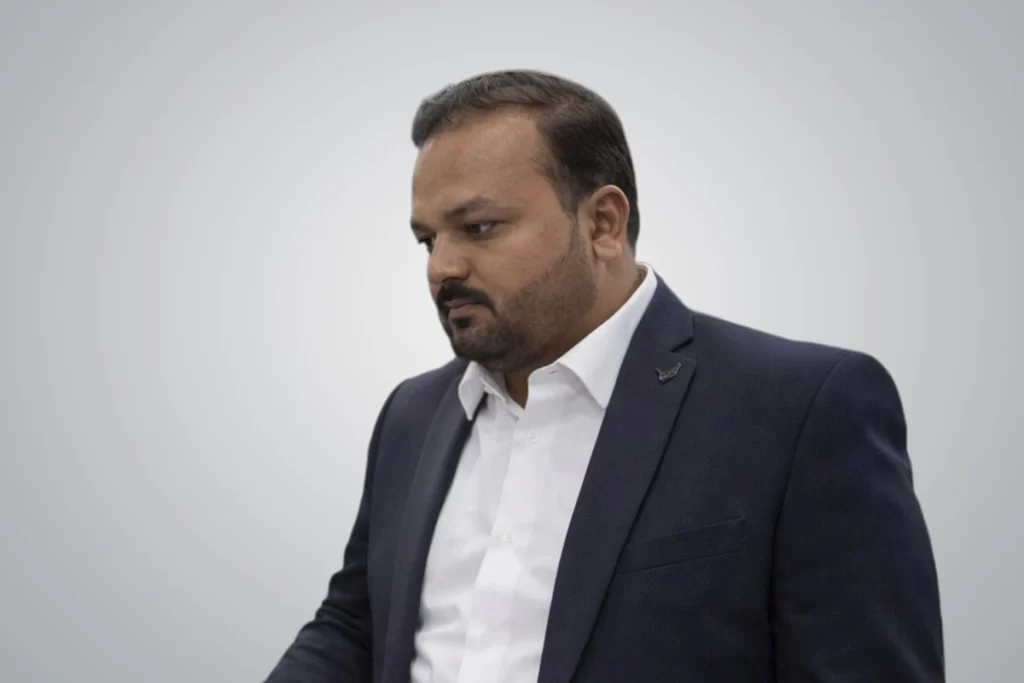
Strategic and Growth-oriented Global Sourcing Leader
Viraj Desai
Partner
Taashvi Chemicals
Global chemical markets today are shaped by volatility rather than certainty. Price swings, regulatory tightening, and supply chain disruptions have made growth increasingly dependent on foresight, compliance discipline, and operational resilience rather than scale alone. For import-driven sectors such as fertilisers and industrial chemicals, the margin for error has narrowed significantly.
Navigating this complexity with a steady, systems-led approach is Viraj Desai, Partner at Taashvi Chemicals and Director at VR Agro Industries. Based in Ahmedabad, Desai has focused on building growth strategies rooted in risk-balanced sourcing, supplier accountability, and regulatory preparedness. His work reflects a shift from reactive trade practices to structured, long-term reliability, strengthening supply continuity and customer trust in a demanding market. In an exclusive conversation with TradeFlock, Desai shares how disciplined systems and sustainability-led thinking are shaping resilient growth in chemical supply chains.
How do you balance global market dynamics with quality and compliance in chemical imports?
Being deeply involved in international sourcing and import operations has reinforced my belief that quality and compliance must function as ongoing disciplines rather than one-time checks. In fertilisers and industrial chemicals, every decision operates within a complex ecosystem shaped by global supply fluctuations, Indian regulatory frameworks, and the expectations of domestic customers, which makes consistency as important as responsiveness.
At VR Industries, this understanding guides our supplier selection process from the outset. Overseas manufacturers are evaluated not only for cost competitiveness but also for production reliability, certification standards, documentation transparency, and ethical practices, since long-term alignment matters more than short-term pricing advantages. Independent inspections, batch consistency reviews, and technical documentation assessments are built into the sourcing framework to ensure reliability over time rather than as corrective measures later.
Compliance follows the same disciplined approach. Imported chemical products are aligned with Indian regulatory norms, including Fertiliser Control Order guidelines, customs requirements, and safety standards, through close coordination with testing laboratories, regulatory consultants, and customs professionals well before shipment. This structure allows us to manage global price volatility, seasonal demand, and external uncertainty while maintaining quality, continuity, and trust.
How can chemical importers stay sustainable without losing competitiveness?
Sustainability in chemical trade extends beyond manufacturing, as importers and traders directly influence how responsibly products move through the supply chain. Responsibility begins with selecting the right partners and extends to the products chosen and their distribution. Competitive sustainability depends on practical decisions rather than symbolic commitments.
"Sustainability works when responsibility and efficiency move together, not when one is sacrificed for the other."
At VR Industries, this focus translates into importing high-efficiency solutions, such as water-soluble fertilisers, that improve nutrient uptake and reduce environmental waste, delivering measurable benefits to farmers while supporting sustainable agriculture. Supplier accountability is equally important, which is why we engage with manufacturers that follow responsible production practices, energy-efficiency standards, and structured waste-management protocols. Operational discipline further strengthens sustainability through optimised shipping, reduced transit losses, and efficient warehousing, lowering environmental impact while maintaining commercial viability.
What key shifts are reshaping chemical sourcing and distribution today?
One of the most significant shifts in chemical imports has been the move away from purely cost-driven sourcing toward a more risk-balanced approach. Reliability, continuity, and regulatory compatibility now carry as much weight as pricing, as overdependence on single geographies has repeatedly exposed supply vulnerabilities. This has encouraged businesses to diversify sourcing origins and deliberately build resilience into their supply networks.
Digitalisation has reinforced this transition by improving visibility and decision-making across the supply chain. ERP systems, real-time shipment tracking, and demand forecasting tools enable better inventory planning and faster responses to disruption, making them essential rather than optional. On the distribution side, customer expectations have evolved toward consistency, timely availability, and predictable pricing, which has led to stronger warehouse planning, regional stock buffers, and closer alignment between import schedules and domestic consumption cycles. Preparing for this environment requires investment in visibility, supplier relationships, team capability, and logistics agility rather than reactive adjustments.
What leadership principle helps you manage disruption and change?
What leadership principle helps you manage disruption and change?
The principle that guides me is prepared adaptability, built on the understanding that disruption is inevitable. Regulatory changes, port congestion, currency volatility, and geopolitical shifts are recurring realities rather than exceptions, making preparedness more valuable than reacting.
Prepared adaptability involves scenario planning, supplier diversification, and clear communication across the ecosystem. At VR Industries, close coordination with suppliers, logistics partners, and customers ensures alignment during uncertainty rather than confusion. This approach is reinforced by decentralised decision-making, supported by clear processes, which allow teams to respond quickly while remaining accountable. When people understand the broader context, resilience becomes operational rather than aspirational, enabling reliability even during volatile periods.
What mindset helped you adapt globally, and how do you develop it in others?
The mindset that has shaped my journey is continuous learning anchored in humility. Global markets evolve rapidly, and staying relevant requires the willingness to learn, adapt, and remain open to new perspectives rather than relying on past success.
This learning comes from tracking global trends, regulatory developments, and supply chain innovations while remaining grounded enough to listen closely to suppliers, customers, and teams. Developing this mindset in emerging leaders requires exposure rather than instruction, supported by cross-functional learning, open dialogue, and mentorship rooted in experience. This approach helps shape leaders who are adaptable, responsible, and prepared for long-term complexity rather than short-term certainty.
Featured Magazine -

All Magazines-




Other Interviews-
- Swapan Kumar-Best Corporate Leaders in USA 2026
- Aashik Khakoo-Best Corporate Leaders in USA 2026
- Inaas Arabi-Best Corporate Leaders in USA 2026
- Mark Newsome-Best Corporate Leaders in USA 2026
- Manar Elsakka-Best Corporate Leaders in USA 2026
- Dawn Stastny-Best Corporate Leaders in USA 2026
- Troy Negley-Most Inspiring Global HR Leaders 2026
- S. Indrani Shanmugam-Most Impactful Women Leaders from Asia 2026
- Gutti Malleswara Reddy-10 Best Tech Leaders in India 2026
- Rajesh Pasari-Best Education Leaders in India 2026
