

Steering Cambodia’s Banking Talent with Vision and Integrity
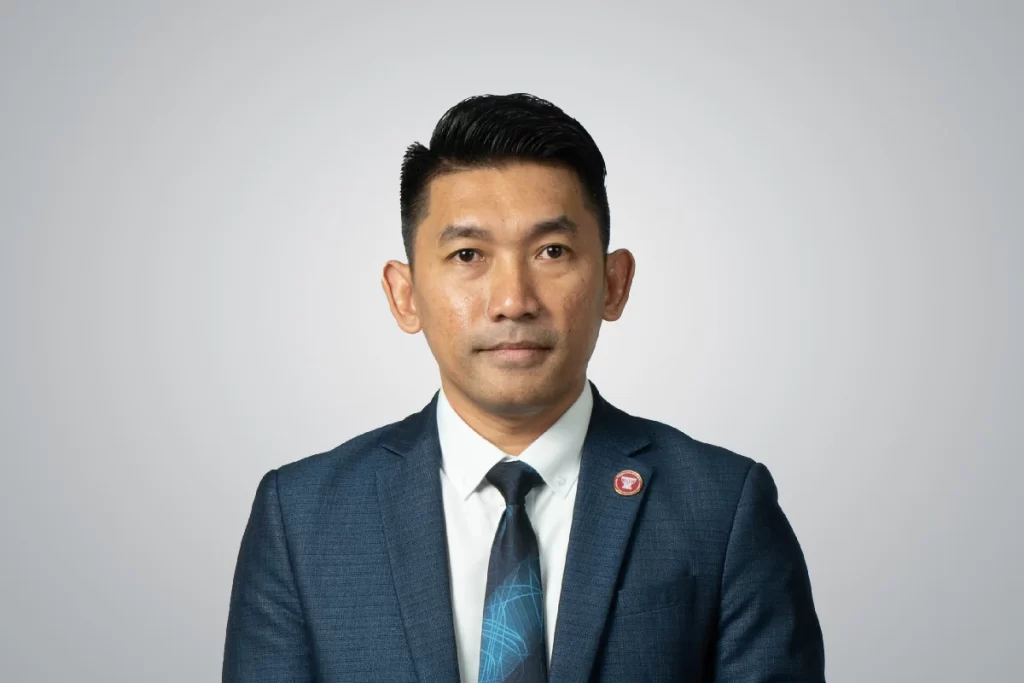
Visal Sou
Chief Executive Officer
Institute of Banking and Finance
Steering Cambodia’s Banking Talent with Vision and Integrity
Visal Sou
Chief Executive Officer
Institute of Banking and Finance
Leadership transitions are often measured by new titles and expanded mandates. For Visal Sou, the move from managing campuses and conferences to serving as CEO of the Institute of Banking and Finance (IBF) represented something far more profound. It was a shift in leadership philosophy from execution to stewardship. At IBF, Cambodia’s national institute dedicated to developing banking and finance talent, Visal’s role is not merely to deliver programmes but to safeguard and shape the institution’s long-term relevance and credibility within the financial ecosystem.
Earlier in his career, success was defined by the effective delivery of learning initiatives and the immediate outcomes they produced. As CEO, that lens has widened significantly. Visal now operates with an institutional mindset, one that places long-term sustainability, governance, and standards at the centre of every decision. The focus has moved from personally driving outcomes to building systems, empowering people, and forging partnerships that can deliver impact consistently and at scale.
This evolution has also brought a heightened sense of accountability, beyond internal stakeholders to the broader banking and finance community and to the future professionals who will shape Cambodia’s financial system. Under Visal’s leadership, IBF is guided by a clear commitment to judgement over activity, credibility over convenience, and stewardship over short-term gains, reinforcing its mission to build capable, ethical, and future-ready talent for Cambodia and the region. How? Let’s read here.
What has been your toughest decision as CEO, and what did it teach you about leadership?
The most complex and, at times, uncomfortable decision I’ve faced as CEO was managing the tension between quality and growth at a moment when the industry demanded both urgently. In an emerging market like Cambodia, there is no luxury of prioritising one over the other. Financial institutions need rapid scale to address talent gaps, yet the stability of the financial system depends on uncompromising standards. Choosing speed alone would have diluted credibility; choosing caution alone would have limited relevance.
This challenge led to what I call a “dual-track” leadership approach. We moved decisively to expand IBF’s reach, today serving over 100 financial institutions and more than 20,000 professionals, while simultaneously embedding rigorous international benchmarks, including the Accredited Director Program. The discomfort lay in holding firm on standards even when it slowed decisions or challenged short-term expectations.
Looking back, that period was defining. It reinforced that institutional trust is not a barrier to growth but the engine that sustains it. Leadership in emerging markets is built on consistency, discipline, and the courage to take principled positions. Sustainable impact comes not from rapid visibility but from laying strong foundations that allow institutions and the sectors they serve to grow responsibly over time.
Beyond growth, what personal values matter most to you as a leader?
Ultimately, my leadership journey is not defined by personal recognition, but by the legacy of institutions and people it leaves behind. Building IBF into a trusted platform that enables thousands of professionals to grow with integrity gives meaning to every challenge.
My focus is on preserving institutional credibility while nurturing future leaders who will strengthen Cambodia’s financial ecosystem through competence, ethical judgement, and a commitment to continuous learning.
What has been the hardest part of keeping teams motivated through change across FMCG, education, and publishing?
Across FMCG, education, and publishing, I’ve learnt that the hardest part of keeping teams motivated through change is not resistance, but lack of clarity. People are generally open to change when they understand why it’s happening and how it connects to a larger purpose. Uncertainty, more than change itself, is what erodes motivation.
I place strong emphasis on clarity of direction—where we are going, why, and what success looks like for both the organisation and individuals. When change is intentional rather than reactive, teams engage more effectively. As a leader, it is my responsibility to communicate this narrative consistently, especially during transitions.
My approach is rooted in transformational leadership, aligning people around shared goals and fostering ownership. Motivation is sustained when individuals feel heard, trusted, and included. Balancing structure with empathy like listening, addressing concerns, and supporting teams through uncertainty, builds resilience, trust, and a collective commitment that enables teams to navigate change successfully.
What critical leadership capabilities do future banking leaders still overlook?
As banking, compliance, and financial services across Asia undergo rapid digital and regulatory transformation, technical expertise alone is no longer enough. What remains largely overlooked are the leadership capabilities required to sustain trust amid complexity. Future banking leaders must develop strong ethical judgement, self-awareness, and the ability to think systemically across interconnected risks. At IBF, this belief is reflected in our IBPF Competency Framework, which balances individual integrity, business acumen, people leadership, and future readiness.
Equally important is the capability to lead people through uncertainty. Digital disruption and regulatory change demand leaders who can communicate clearly, make principled decisions under pressure, and align teams around shared purpose. The most undervalued capability, however, is a mindset of continuous learning anchored in humility. Leaders who remain adaptable, reflective, and ethically grounded are better equipped to guide institutions responsibly and contribute to long-term financial stability.
Featured Magazine -

All Magazines-


Other Interviews-
- Inaas Arabi-Best Corporate Leaders in USA 2026
- Mark Newsome-Best Corporate Leaders in USA 2026
- Manar Elsakka-Best Corporate Leaders in USA 2026
- Dawn Stastny-Best Corporate Leaders in USA 2026
- Troy Negley-Most Inspiring Global HR Leaders 2026
- S. Indrani Shanmugam-Most Impactful Women Leaders from Asia 2026
- Gutti Malleswara Reddy-10 Best Tech Leaders in India 2026
- Rajesh Pasari-Best Education Leaders in India 2026
- Sinan Safaa Aboeless-Asia’s Best Business Leaders 2026
- Dr. Sandeep Chatterjee-Best Education Leaders in India 2026
