Creating Living Spaces People Cherish
Avinash Jagdale
Managing Director
JPrime Buildcon
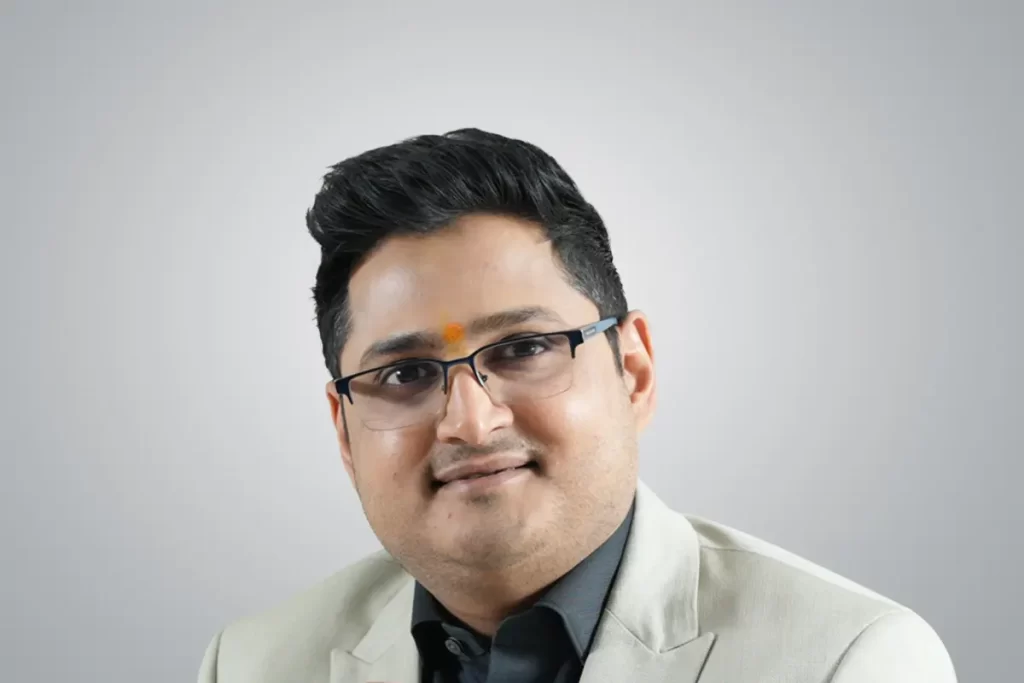
Creating Living Spaces People Cherish
Avinash Jagdale
Managing Director
JPrime Buildcon
In Navi Mumbai, finding affordable homes that truly meet the needs of families has long been a challenge. Too often, layouts ignore daily life, communities lack essential amenities, and neighborhoods fail to feel complete. Over the past 15 years, Avinash Jagdale has turned these challenges into opportunities. Starting with a single plot in 2010, he has grown JPrime Buildcon into a trusted developer delivering hundreds of homes and over half a million square feet of space. Under his leadership, entire neighborhoods now include schools, hospitals, and green spaces. Recognized with awards such as Maharashtra Udyogratna and a Doctorate in Real Estate and Management, he has built not just structures but trust, community, and longterm value. In an exclusive conversation with TradeFlock, he shares how vision, planning, and care for people drive every decision at JPrime Buildcon.
Can you tell us about your journey in real estate?
I’ve always been curious about how things work. Even as a teenager, while most of my friends played cricket, I was drawn to numbers, patterns, and how systems connected. It wasn’t ambition at first, just a desire to create something tangible. In 2010, I started JPrime Buildcon with onesmall plot and a big dream. I didn’t come from a real estate family, so everything began from scratch. That first piece of land became my classroom, and my goal was clear: to build homes that were real, lasting, and affordable for Navi Mumbai’s growing middle class. The early years taught patience. Delays, shifting costs, and long nights often made plans feel impossible. Listening to people, understanding their needs, and staying disciplined helped us grow. Project by project, that single plot became hundreds of homes and thousands of square feet. Today, JPrime isn’t just about construction; it’s about building neighborhoods with schools, hospitals, and shared spaces where families truly live and grow. Looking back, the journey has been less about buildings and more about belonging.
What makes JPrime Buildcon’s approach different from others in the industry?
We don’t aim to be different for the sake of it. What we try to do is question what should be normal and then build around that. A home is only meaningful when the community around it is alive. Instead of focusing only on four walls, we plan for everything that makes life work: roads, schools, hospitals, green corners, and local spaces. We begin by walking the area, talking to people, and learning what they really need before the first line is drawn. This approach is not always popular in a business where margins are tight, but it pays off in trust. People see that we care about their realities, not just their purchase. Because of that, our homes sell faster, our customers refer others, and our relationships last longer. Marketing is simple. No exaggerated promises, just honest updates, open site visits, and visible progress. Every project, no matter how small, carries our name and responsibility. That is why we treat it like a legacy.
Where do you see the biggest gap between customer expectations and what developers deliver?
The gap lies in how developers interpret people’s lives. Many still work with fixed templates — same layouts, same amenities — without seeing how different every community actually is. India is made up of micro-cultures, and what works in one suburb may not work in another.
Families today need flexibility: rooms that can double as workspaces, open areas for gatherings, and spaces that balance privacy with connection. Too often, what they get are generic buildings that look modern but don’t feel personal.
“Many developers arrive with their own templates or ‘industry norms’ about layouts, unit sizes, amenities, and then try to shoehorn customers into those molds.” We bridge this gap with empathy and honesty. We spend time in the area, talk to families, and design around real routines. Adaptable layouts, integrated amenities like parks and co-working zones, and transparent communication build trust and lasting relationships.
How can sustainability become a real practice and not just a marketing term?
Sustainability must start at the design table, not the brochure. It should be part of how we plan, price, and build, not a label added later. At JPrime, upcoming townships include practical solutions: solar panels, rainwater harvesting, waste composting, EV charging, and smart home systems that reduce energy use. These features are complemented by measuring long-term costs for residents. When people realize they save money over years, sustainability becomes common sense. Suppliers are chosen for ethical and low-carbon practices, and materials are reused wherever possible to reduce waste. Even after possession, we guide residents to operate and maintain these systems effectively.Sustainability is about foresight, and a home should remain modern and efficient 15 years later without needing major retrofits. That is what we build toward.
"A home is only meaningful when the community around it is alive. Instead of focusing only on four walls, we plan for everything that makes life work: roads, schools, hospitals, green corners, and local spaces."
What kind of legacy do you hope to leave for your team and community?
I hope people remember both the homes we built and the way we built them. I want every team member, from site workers to architects, to feel valued and respected. I want them to know that I believed in them, especially during tough times. This industry tests patience and resilience, but standing together through it all is what makes success meaningful. At JPrime, we have never just built projects; we have built people, confidence, and shared pride. Yes, I hope our buildings stand tall for decades, but more importantly, I want people to remember how they felt being part of this journey — seen, trusted, and proud to have created something that truly lasts.
Featured Magazine -