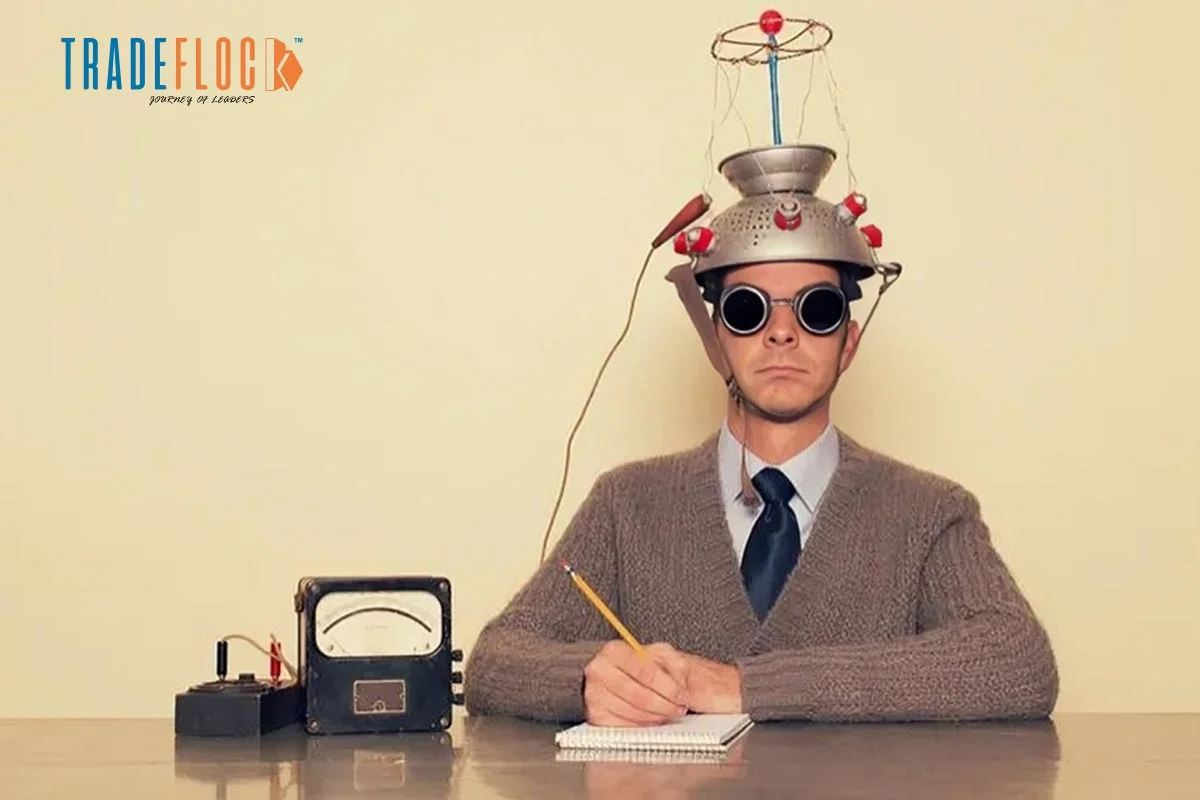
Think about a workplace where your thoughts—not your words—shape how your company supports you. Where brainwaves, not annual surveys, inform HR strategies. Does it sound like science fiction? Not quite.
Welcome to the dawn of neural technology in employee feedback—a bold frontier where neuroscience meets workplace culture. As companies race to create more empathetic and responsive environments, some are looking beyond traditional feedback tools toward brain-computer interfaces (BCIs). The goal? To gauge how employees really feel in real time, without the filter of hesitation, fear, or diplomacy.
But as with any radical innovation, this trend brings with it a swirl of ethical questions, legal grey areas, and a healthy dose of dystopian concern.
Table of Contents
From Surveys to Synapses
For decades, employee feedback mechanisms have revolved around surveys, exit interviews, and occasional pulse checks. While useful, they often paint an incomplete picture. According to a 2023 report by McKinsey & Company, nearly 40% of employees admit they don’t feel comfortable giving honest feedback to their managers due to fear of retaliation or futility. Even “anonymous” surveys are perceived as traceable in some organisational cultures.
Enter neurotech. Companies like Emotiv and Neurable are pioneering wearable BCIs that can measure cognitive load, stress, engagement, and even emotional response through EEG (electroencephalography) signals. These headsets resemble sleek headphones or bands and promise to offer real-time insight into how people are truly experiencing their work.
In theory, a manager could see a heatmap of team stress levels during a project, detect burnout before it spirals, or gauge engagement during a strategy meeting—all without a single word exchanged.
According to BCG’s “Future of Work” survey (2024), 12% of large global firms have begun experimenting with neural wearables in pilot programmes—mainly in high-performance sectors like finance, tech, and healthcare. The data they’re collecting isn’t about reading detailed thoughts (thankfully), but about mapping emotions and mental states to help better understand what energises or exhausts a team.
Empathy at Scale
Advocates argue that neural feedback could democratise wellbeing. Rather than waiting for someone to raise their hand—or worse, quit—companies could proactively spot patterns. Are remote workers disengaged during Monday stand-ups? Is your new open-plan office actually heightening anxiety?
By identifying cognitive patterns, neurotech could enable hyper-personalised HR strategies. Think mental health interventions tailored to real stress responses or learning and development programmes adapted to your neural engagement curve.
And the benefits may extend beyond retention and productivity. A recent Harvard Business Review study (2023) found that companies investing in data-driven wellbeing initiatives saw a 22% increase in innovation metrics, citing employees’ improved psychological safety and engagement.
Neural feedback could also transform leadership. Imagine coaching sessions that track a leader’s unconscious bias or measure how their presence affects team stress levels. That’s radical accountability.
Consent, Control, and Creeping Surveillance
Yet with all this potential comes a Pandora’s box of ethical dilemmas. The most pressing question: Where do we draw the line between insight and intrusion?
Dr. Nita Farahany, author of The Battle for Your Brain, warns that “neurotechnology is reaching a tipping point where your brain data could be weaponised against you—by employers, governments, or insurance companies.” In fact, she has advocated for a “cognitive liberty bill of rights”, a concept gaining traction in legal and policy circles.
Critics argue that brainwave monitoring—even in aggregate or anonymised form—could evolve into a digital panopticon. Will employees feel pressured to “opt in” for fear of being seen as uncooperative? Could neural data be used to penalise underperformers rather than support them?
A 2024 survey by the Centre for Digital Ethics found that 78% of employees would be uncomfortable wearing a BCI at work—even if the data was anonymised and used only for feedback. That same report warned of a future where brain data becomes part of hiring, promotions, or layoffs—a world where “thinking differently” might become literally measurable and punishable.
There are also legal concerns. In the EU, under GDPR, brain data is classified as biometric data, which requires explicit, revocable consent. In the US, however, protections are patchier, with no federal law specifically covering neural privacy.
A Middle Path: Augmented, Not Invasive
Despite the controversy, there may be a middle ground. Experts suggest using neurotech not to replace employee feedback, but to augment it.
For instance, pairing neural data with traditional pulse surveys might help validate trends. Or using BCIs voluntarily in high-stress roles—such as air traffic control or ER triage—to help flag when operators need rest.
Some companies are taking a hybrid approach. At a major Japanese logistics firm, warehouse workers can wear EEG headbands that monitor fatigue levels during long shifts—but only if they volunteer and only after signing a digital ethics agreement that outlines exactly how the data will be used and stored.
This model—rooted in transparency, consent, and co-creation—might be the best way forward. After all, technology is only as humane as the policies that govern it.
Is Mind Reading the Future?
Not exactly. We’re not on the brink of workplace telepathy (yet). But we are entering a future where brain data could supplement the feedback loop, offering richer, real-time insights into employee wellbeing and performance.
The question isn’t just can we do it. Should we—and if so, how do we protect the human in the machine? Until we answer that, neural feedback might remain less of a revolution and more of a reckoning.