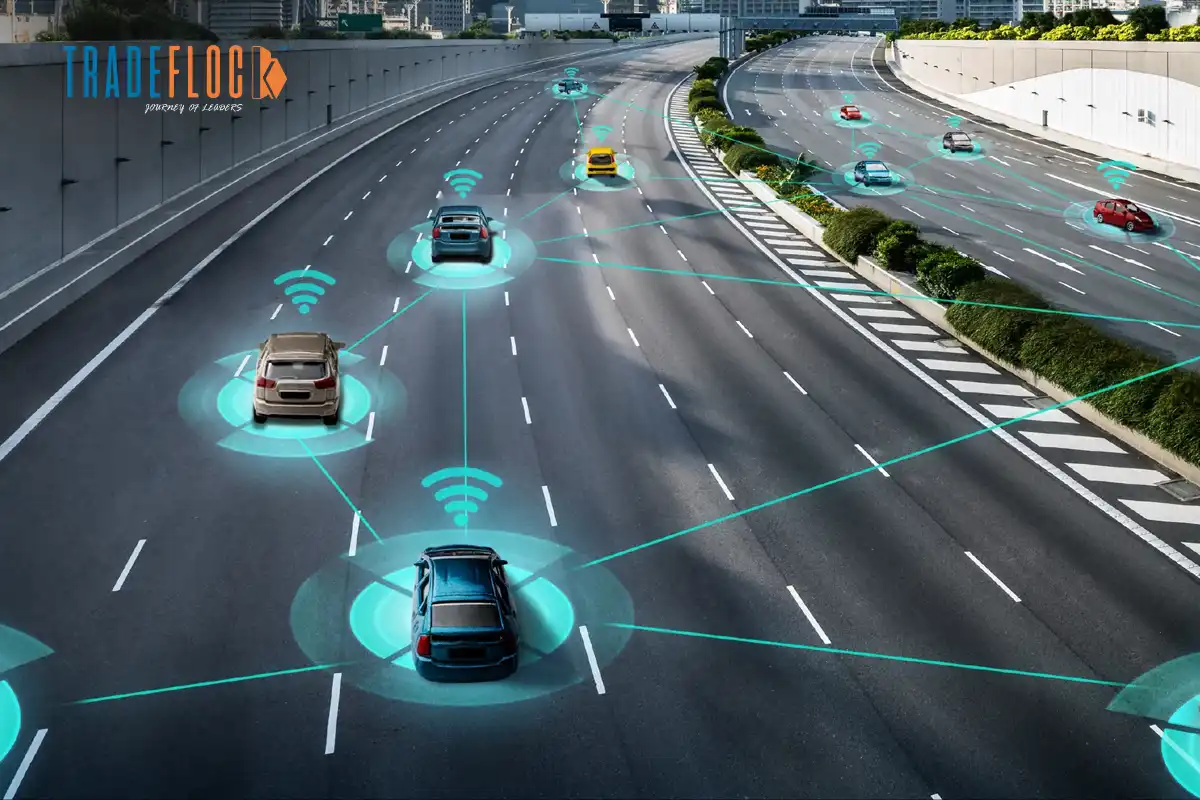
Businesses operating vehicle fleets are increasingly turning to connected vehicle ecosystems. These ecosystems integrate telematics, GPS, real-time data collection, and advanced camera technologies to create smarter, safer, and more efficient transport operations. Whether you manage a handful of delivery vans or a nationwide logistics network, embracing connected vehicle systems can offer a wealth of benefits that go far beyond basic fleet tracking.
Table of Contents
Greater Operational Efficiency
One of the most immediate benefits of a connected vehicle ecosystem is improved efficiency. With access to real-time location data and route optimization tools, businesses can significantly cut down on fuel usage, idle time, and unnecessary mileage. Telematics platforms provide insights into driver behavior, helping fleet managers identify areas for improvement, such as harsh braking, excessive acceleration, or prolonged idling. Over time, these small changes lead to meaningful cost savings and more reliable delivery schedules.
Automated reports and integration with existing fleet management software mean that routine tasks like vehicle inspections, maintenance scheduling, and mileage logging are streamlined. This level of automation frees up time for fleet managers and allows them to focus on higher-level strategic goals rather than getting bogged down in administrative tasks.
Enhanced Driver Safety and Accountability
Safety is a key concern for any business operating vehicles. A connected vehicle ecosystem allows you to take proactive steps to ensure your drivers are protected and accountable. Features such as driver behavior monitoring and real-time alerts can flag unsafe actions before they lead to an accident. This opens up opportunities for coaching and training, rather than relying solely on post-incident reports.
One powerful tool in this regard is the integration of vehicle camera systems. These systems offer visual context to any incident on the road, helping businesses protect their drivers from false claims while also providing valuable evidence in the case of collisions. Footage can be reviewed to improve driver performance, reinforce company policies, and support insurance claims with concrete visual proof.
Better Fuel Management and Environmental Impact
With increasing pressure on companies to demonstrate environmental responsibility, connected vehicle ecosystems offer practical solutions. Advanced telematics can help reduce fuel consumption through route optimization, real-time traffic alerts, and identifying inefficient driving habits. Some systems also track CO2 emissions, helping businesses measure and reduce their environmental impact.
Fuel card integration and usage tracking allow companies to better monitor spending and spot irregularities, such as misuse or theft. These tools not only protect company resources but also contribute to long-term sustainability goals, an increasingly important factor in winning new contracts and appealing to eco-conscious customers.
Improved Customer Experience
In industries where timeliness and transparency are critical, such as courier services or field maintenance, a connected vehicle ecosystem can significantly improve the customer experience. Real-time tracking and automatic ETA updates mean clients aren’t left wondering where their delivery or technician is. Instead, they’re kept informed throughout the process, which builds trust and loyalty.
Additionally, the reliability gained from better-maintained vehicles and optimized routes ensures fewer delays and a more consistent service standard. This kind of performance can distinguish your company from competitors and generate positive word-of-mouth recommendations.
Strategic Decision-Making and Scalability
Perhaps the most powerful advantage of connected vehicle ecosystems lies in the data they generate. Businesses gain access to in-depth analytics covering everything from vehicle performance to driver behavior and route efficiency. Over time, these insights become invaluable for long-term planning, allowing you to make data-driven decisions about fleet expansion, staffing, budgeting, and more.
As your business grows, the system scales with you. Whether you’re adding ten vehicles or a hundred, a connected vehicle ecosystem can support that growth while maintaining clarity and control over your operations.
Final Thoughts
Investing in a connected vehicle ecosystem is not just about keeping up with technology; it’s about positioning your business for smarter, safer, and more sustainable growth. By enhancing safety, efficiency, customer satisfaction, and environmental impact, these systems deliver a competitive edge that can drive real results across every level of your operation.