Pioneering Technology-Driven Pharma Leadership
Devendra Shinde
Group Chief Operating Officer
Prince Farma, Trucare & AfriPhar
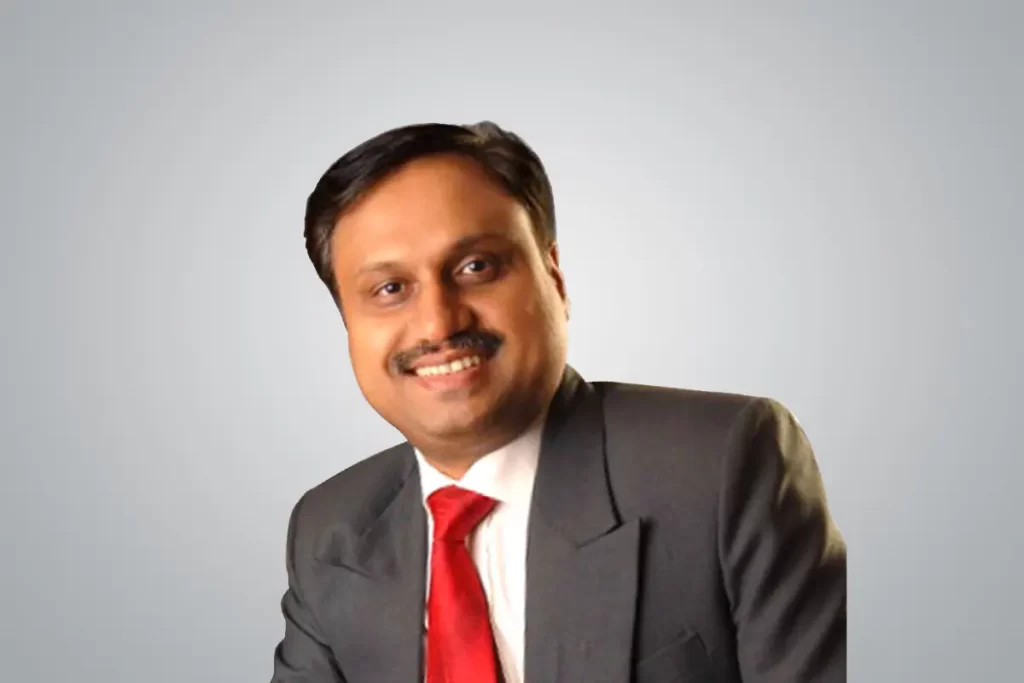
Pioneering Technology-Driven Pharma Leadership
Devendra Shinde
Group Chief Operating Officer
Prince Farma, Trucare & AfriPhar
Turning ambition into action is often easier said than done, yet few leaders embody it as effectively as Devendra Shinde. As Group Chief Operating Officer of Prince Farma, Trucare, and AfriPhar under Group SNS, he oversees operations spanning continents, seamlessly integrating manufacturing, supply chain, marketing, and distribution. For Devendra, leadership extends beyond efficiency. It’s about shaping organisations that can innovate boldly, adapt swiftly, and grow sustainably. His career is marked by transformative breakthroughs, from India’s first digital dose inhaler to AIenabled warehouse systems, reflecting a rare blend of strategic foresight and operational discipline. Complex challenges, from fragmented markets to regulatory hurdles, become opportunities under his guidance, consistently turning obstacles into competitive advantages. What distinguishes Devendra is his combination of rigour and empathy. He cultivates resilient, high-performing teams, nurtures cultures of experimentation, and enforces accountability at every level. Under his leadership, businesses transform. How? He discusses those topics and more in this exclusive interview with TradeFlock.
How has balancing strategic vision with operational precision created a transformational impact in your pharma journey?
One of the most defining milestones in my career was leading a 10X portfolio growth in just three years at Dr Reddy’s. We were building the consumer business with a clear strategy, but I firmly believe execution is as important, if not more, than strategy. Several derma and acute therapy brands that were stagnating were reenergised through consumer-driven thinking, sharper execution, and alignment with the corporate vision. The board’s buy-in ensured clarity of purpose across all levels. What truly drove this transformation was fostering a culture that balanced innovation with discipline, breaking long-term goals into measurable quarterly objectives, and crafting key results that blended lead and lag indicators. It reaffirmed my belief that a true leader balances the big picture with the pixels, creating magic without losing the logic.
How do you foster a culture of innovation in highly regulated pharma operations?
Two approaches have guided our innovation culture. First, relevance to the end consumer or patient is paramount. With the Digihaler, we prioritised patient adherence and usability, conducting focus groups with patients, not just doctors, to brief the product development team. Second, a holistic solutions mindset works best. Instead of focusing solely on the drug, we created a complete ecosystem—addressing disease, drug, device, and doctor—delivering meaningful solutions beyond the pill. These approaches challenged conventional pharma thinking and surprised dominant players. Ultimately, when curiosity becomes embedded in culture, every lab experiment, meeting, and even mistake becomes a stepping stone toward the next transformative discovery.
Which personal passions or experiences outside work influence your decision-making and strategic thinking?
Holistic health, physical, mental, and spiritual, shapes both my life and leadership. Rising at 4:00 am during the “Brahma Muhurta”, I begin each day with yoga, pranayama, meditation, strength training, and a brisk walk, followed by a protein- and fibre-rich breakfast. I am also an avid marathoner, having completed races in Mumbai, Hyderabad, Delhi, and even along the Congo River. Marathons and business share key lessons: progress is rarely linear, you never run alone, and endurance and persistence define success. Maintaining a healthy, active body ensures a focused, resilient, and strategic mind, enabling to make thoughtful decisions and navigate complex business challenges.
What was the biggest operational challenge you faced at Prince Pharma, and what strategic insight did it yield?
When I joined Prince Pharma, it was largely an acutely focused business. In my first 30-60-90- day plan, I proposed expanding into chronic and OTC therapy areas. This idea initially met with lukewarm acceptance. Chronic portfolios take time to mature, while OTC requires significant upfront investment. Fortunately, the shareholders shared my conviction, and today, both segments are key contributors to our top line and profitability. The biggest operational challenge was not structural. It was cultural. Shifting entrenched mindsets and fostering a culture of openness, collaboration, and accountability took time and persistence. I’ve always believed that leaders must hire people smarter than themselves; if I’m the smartest in the room, I’m in the wrong room. Culture, after all, isn’t a poster on a wall; it’s the invisible code guiding every decision, hire, and meeting. At Prince Pharma, our success stemmed as much from empowered people as from innovative products, proving that mindset transformation is the ultimate competitive advantage.
Leading cross-functional teams of 1,000+, what key lesson guides you in driving operational excellence and resilience during challenging times?
There are many powerful lessons that I have learnt over my three decades of experience, but one stands out: never take “No” as the final answer. A recent example illustrates this. We needed to register a channel brand name approved by stakeholders, but legal and administrative hurdles initially blocked it. Instead of settling for a suboptimal alternative, I worked closely with the legal team, revisited the authority, and successfully secured approval. This mindset reflects a broader philosophy: operational excellence and resilience come from staying open to possibilities, pushing boundaries, and finding solutions when conventional paths are blocked. Leaders who challenge the first “No” empower their teams to persist, innovate, and deliver results under pressure. In business, this approach transforms obstacles into opportunities and inspires high-performing, adaptive teams.
Featured Magazine -