At the Intersection of Strategy and Empathy
Chalapathi P.
CEO
EL HEALTH CARE GROUP
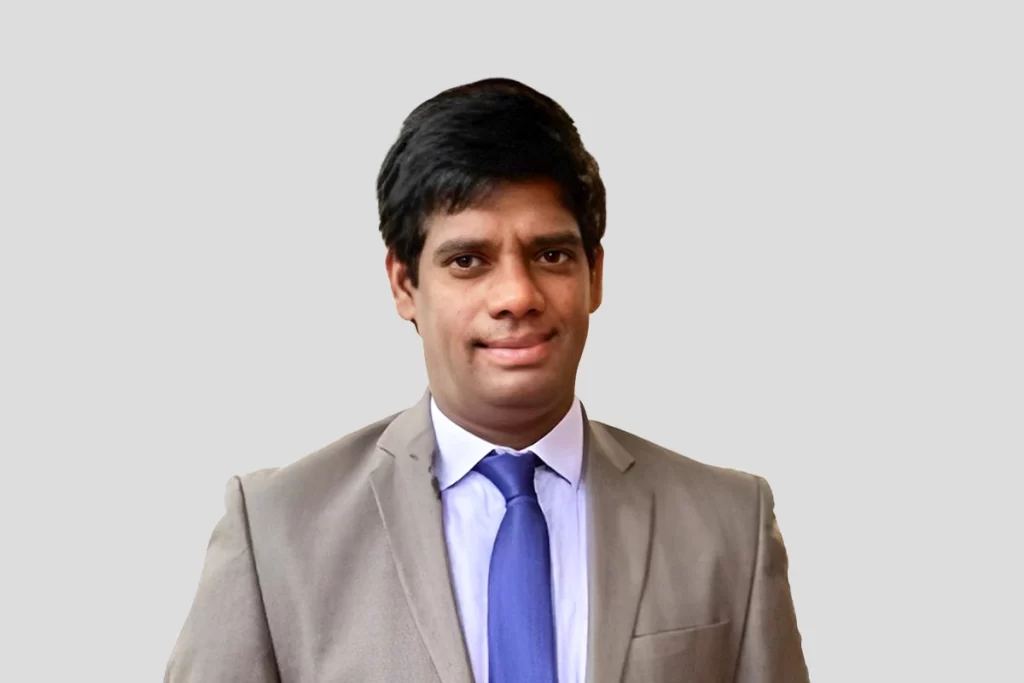
At the Intersection of Strategy and Empathy
Chalapathi P
CEO
EL HEALTH CARE GROUP
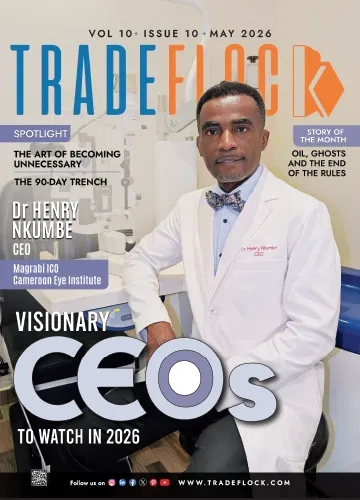
The leadership that guides Chalapathi P. is forged not just in boardrooms, but in the art of reinvention. With a career spanning multinational corporations, banking, and now healthcare, Chalapathi has thrived in high-stakes, high-complexity environments, demanding a fresh lens but the same fearless clarity of purpose. What has remained constant across these industries is his ability to align diverse teams around a shared vision. “Strategic agility and vision alignment—that’s been my most transferable leadership skill,” he shares. “But technical expertise doesn’t always travel. Understanding risk models in banking doesn’t prepare you for clinical compliance in healthcare. That gap forces you to listen, learn, and evolve quickly.” This hunger to learn and his capacity to connect dots others miss have made him a change leader in every sector he’s touched. Whether it’s leading largescale digital transformation in banks or designing patient-first care models in healthcare, Chalapathi operates at the intersection of operational discipline and human empathy. He rolls out initiatives; he builds belief, capability, and culture. His leadership thrives on three core pillars: clarity in chaos, communication that inspires, and compassion that grounds. For Chalapathi, transformation isn’t about buzzwords or boardroom slides; it’s about action that delivers real, human impact. He shares more about this with TradeFlock.
"Solving healthcare in Tier 2 and 3 cities isn’t just a business opportunity—it’s a moral imperative"
How do you make decisions when priorities clash across hospitals, diagnostics, and tech?
When you’re managing hospitals, diagnostics, and a tech firm all at once, priorities are bound to clash. Over time, I’ve learnt to anchor my decisions around three principles: mission alignment, risk-weighted prioritisation, and empowered delegation. For me, it always starts with the mission. Each business, whether it’s healthcare delivery, diagnostics, or technology, has a unique purpose. When things get messy, I ask: which decision best serves that core mission, especially when it impacts people or society? Then there’s risk. I break it down into three buckets—human, operational, and strategic. This helps me assess what’s urgent, what’s important, and what can wait without compromising safety, systems, or future growth. And finally, I believe deeply in delegation. I’ve built strong, trusted leadership teams across the board. Unless something cuts across domains or affects long-term vision, I step back and let them lead—with autonomy and accountability.
What key metrics, beyond profitability, do you use to measure healthcare success?
In healthcare, profitability is important—but it’s never the whole story. The real question we keep coming back to is, “Are patients getting better, faster, and safer?” That’s what defines success for us. We use a balanced scorecard that blends clinical, operational, patient, and innovation metrics. On the clinical side, we track everything from readmissions and infection rates to how our treatments stack up against benchmarks. For patient experience, it’s about satisfaction, access, and how smoothly care is coordinated. Operationally, we focus on turnaround times, resource use, and overall efficiency—because discipline here improves both quality and cost. We also keep a close eye on employee wellbeing: satisfaction, burnout, retention, and upskilling. Great care starts with engaged teams. And finally, we measure innovation—how we’re adopting tech, scaling models, and driving new ideas forward. Because in this field, impact isn’t a bonus—it’s the mandate.
How do you unify healthcare, diagnostics, and tech?
Fragmentation between healthcare providers, diagnostics, and tech is a real challenge—but one I tackle through integration on clinical, data, and cultural levels. At the core is a shared purpose: better patient outcomes. I start with a patient-centric lens, mapping journeys to spot pain points and align teams. Next, we build interoperable digital infrastructure for real-time data sharing across hospitals, labs, and platforms. We foster shared ownership by breaking silos and setting joint accountabilities and KRAs. Centralised governance and cross-functional steering committees keep us aligned. Ultimately, bridging gaps isn’t just about tech—it’s about leadership, clear systems, and unified teams working toward one goal.
What’s EL Health Care’s 2025/30 vision and its fit with India’s healthcare?
By 2025 and into 2030, our vision for EL Health Care Group is to lead a truly integrated healthcare movement. We’re building seamless care across hospitals, diagnostics, home care, and digital health—connecting metros to rural belts through a robust hub-and-spoke model. Affordability remains key. We’re scaling valuebased care that rewards outcomes, not just procedures, and expanding preventive diagnostics and wellness programmes. Partnerships with insurance providers, Ayushman Bharat, and microhealth platforms will help us reach more lives. Most importantly, we’re investing in people —training over 5,000 professionals and fostering a culture where ethics, excellence, and innovation thrive.
What’s your advice for healthcare entrepreneurs in Tier 2/3 cities?
“Solving healthcare in Tier 2 and 3 cities isn’t just a business opportunity—it’s a moral imperative,” I believe. My advice? Think grassroots, think digital, and think long-term. Start by solving for access—trust before tech. Use frugal, mobile-first innovations in local languages. Build local talent pipelines by training and employing youth in healthcare roles. Focus on prevention and community health —run camps, raise awareness, and digitise basic screenings. Start small, scale smart, and stay alert to market shifts. Most importantly, put patients before profits. That’s how lasting impact is made.
Featured Magazine -