Crafting India’s Aesthetic Revolution with Science, Soul, and Integrity
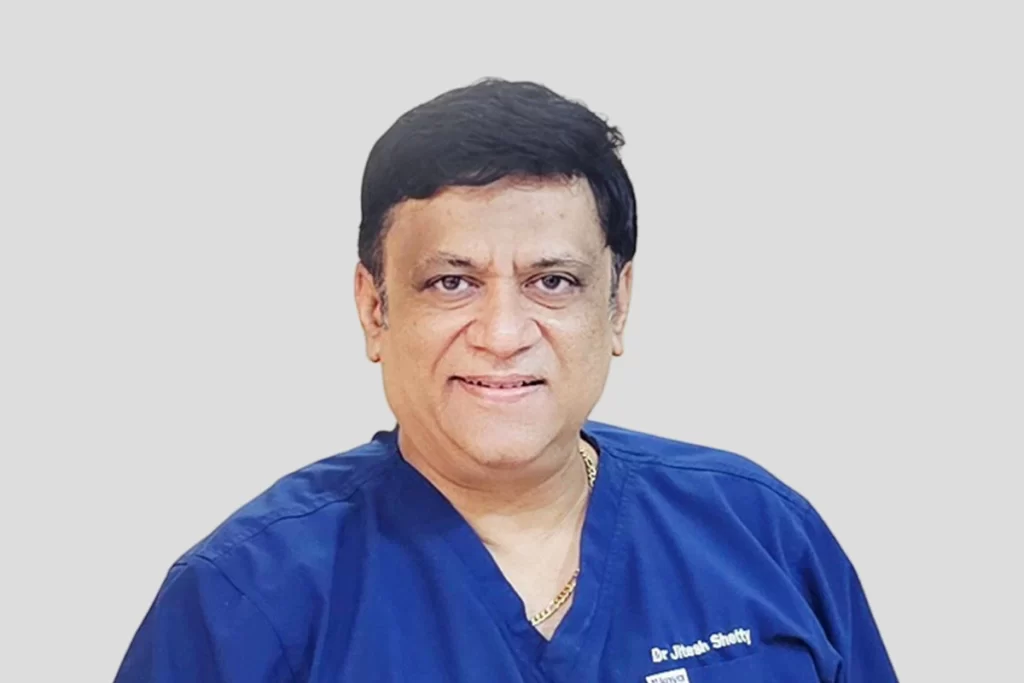
Dr Jitesh Shetty
Founder
Tvam Skin and Hair Clinic | Omorfiya Wellness Clinic
Crafting India’s Aesthetic Revolution with Science, Soul, and Integrity
Dr Jitesh Shetty
Founder
Tvam Skin and Hair Clinic | Omorfiya Wellness Clinic
Long before aesthetic dermatology became a buzzword in India, before lasers lit up clinics and Botox and fillers were seen as lunchtime fixes, Dr Jitesh Shetty was already building a quiet revolution in skincare. Back in the late ’90s, cosmetology wasn’t taken seriously. It sat in the grey zone between beauty salons and clinical dermatology. But Dr Jitesh saw what others didn’t—a future where science could elevate skincare, where looking good wasn’t vanity but vitality. Armed with medical training and a passion for healing, he challenged the norms. Dr Jitesh introduced natural therapies— aromatherapy, essential oils, holistic skin healing—long before “clean beauty” was a trend. While most dermatologists stuck to treating acne and eczema, he pushed the boundaries, combining allopathy with gentle, regenerative care. Then came the real shift. Botox. Fillers. Non-surgical enhancements that offered dramatic, yet natural-looking results. Dr Jitesh was among the first in India to train in these techniques and refined them. With an eye for facial harmony and deep respect for anatomy, he created results that whispered change, not shouted it. Hair transplantation soon followed. Again, he led with precision and empathy. Gone were the visible scars and “pluggy” results of older methods. In came Follicular Unit Extraction (FUE), realistic hairlines, and long-term satisfaction. He treated not just hair loss but the loss of self-esteem that came with it. But Dr Jitesh isn’t done. Today, he’s delving into regenerative medicine with stem cells, exosomes, and age reversal at the cellular level. His new wellness centre in Mumbai aims to pioneer preventive treatments that could redefine longevity and vitality in aesthetic care. Over two decades in, his mission is clear: to heal from the inside out, to care with conscience, and to always stay one step ahead of the curve. In a world chasing trends, Dr Jitesh continues to set them, with integrity, insight, and a touch of quiet brilliance. TradeFlock got the chance to speak to Dr Jitesh to learn more about his journey and how he is disrupting the skin and hair industry through his innovative approach.
How do you keep up with advances in aesthetic treatments after 20+ years?
Aesthetic dermatology is a fast-moving field. New treatments and technologies keep emerging, so staying updated is essential. I regularly attend international conferences like the American Academy of Dermatology and specialised workshops to learn about the latest advances. But I don’t adopt every new trend; I carefully evaluate the science and safety behind each treatment before using it. Teaching and mentoring younger doctors also helps me sharpen my skills and keep learning. Even after 25 years, I still see myself as a lifelong student, always curious and ready to improve.
What challenges do you see in India’s skincare and haircare industry, and how do you plan to address them?
India’s aesthetic market is booming, but it’s a double-edged sword. Increased awareness is good, but misinformation and unregulated practices are rampant. Many patients are overwhelmed by options, many of which are not scientifically backed or safely administered. One major gap is education — both for consumers and practitioners. Too many clinics promise miracles without proper training or medical oversight. This risks patient safety and damages the reputation of legitimate practitioners. Another issue is the fragmentation of medical systems. India is blessed with Ayurveda, naturopathy, homoeopathy, and modern allopathy, yet these often operate in silos. There’s immense potential in integrative approaches — combining the best of each based on patient needs. For example, hyperbaric oxygen therapy, a modern treatment, can boost hair follicle health, while Ayurvedic herbs can nourish the scalp and hair naturally. A well-rounded approach that includes diet, lifestyle, and mental wellness alongside medical treatments can yield far better long-term results. To address these gaps, I’m working on establishing a training academy focusing not only on technical skills but also on ethics, patient psychology, and integrative care. I want to help raise standards across the industry and foster responsible practices.
As a pioneer of aesthetic dermatology in India, what is your vision for the future of the field?
My vision is clear — aesthetic medicine in India should be a beacon of safety, ethics, personalisation, and science-backed care. I want patients to be fully informed and empowered to make choices without being misled by marketing hype. I also see immense potential in technology: AIpowered skin and hair diagnostics, personalised genomic profiling for tailored treatments, and noninvasive devices that minimise downtime. Beyond technology, I believe integrating mental wellness with aesthetics is key. True beauty is a harmony of mind, body, and spirit. When patients feel mentally and emotionally balanced, aesthetic treatments become more meaningful. Finally, I want to foster a new generation of doctors who prioritise ethics and continuous learning to elevate the profession nationally
That’s quite an integrative approach. Have you ever faced resistance?
Of course. Whenever you step beyond established norms, there will be scepticism. But I’ve found that results speak louder than theory. The outcome for the patient — their well-being — has always been my top priority. If that means blending different systems in a safe, ethical way, I will do it. I’ve always believed that the result matters more than the route taken to get there.
How vital is collaboration in today’s medical field?
It’s essential. If a case goes beyond my capacity, I refer it. Healing is not a solo sport. It’s a team effort. There are brilliant specialists out there, and I deeply respect their contribution. We must pool our strengths to serve patients better.
Could you explain stem cell therapy and its impact on wellness?
Stem cells are the body’s master cells — capable of becoming any tissue. Exosomes, their bio-messengers, carry regenerative signals. Traditionally used in cases like paralysis or cancers, we’re now looking at them for preventive care. Imagine using them to rejuvenate joints, delay organ degeneration, and promote overall vitality. That’s the frontier we’ve stepped into.
Finally, what advice do you have for young dermatologists and cosmetologists starting out today?
You’ve got to keep learning as medicine and aesthetics never stand still. Start by really mastering the basics like anatomy and injection techniques, before jumping on every new trend. Learn to see what your patients really need and help them achieve natural, balanced results. Treat each person with kindness and understanding; their fears and hopes matter. That connection builds trust. Stay ethical, be patient, and remember, success comes from sticking with it. And most of all, keep pushing yourself to get better every day.
What keeps you motivated and passionate after such a long, successful career?
The most fulfilling moments are deeply personal. When a patient looks at themself in the mirror and smiles with genuine joy — that’s priceless. I’ve had patients cry tears of happiness after acne scar treatments or regain their confidence after hair loss. Those emotional transformations are why I do what I do. What drives me is the desire to keep improving — to develop gentler techniques, design more natural hairlines, discover better combinations of treatments, and deepen the integration of wellness and aesthetics. It’s about pushing boundaries to help people not just look better but feel better in their skin. Also, knowing that I’m making a positive impact on their lives keeps me humble and grateful. It’s a privilege to be entrusted with someone’s self-image and self-esteem.
How do you maintain artistry and natural results in aesthetic treatments after all these years?
It’s about a mindset — relentless pursuit of excellence. I constantly analyse my results, seek feedback, and refine my techniques. I don’t settle for “good enough”. For example, in filler treatments, instead of injecting large volumes, I focus on subtle enhancements that preserve natural expressions. Artistry comes from understanding the nuances of facial anatomy and how ageing affects each
"’ve had patients cry tears of happiness after acne scar treatments or regain their confidence after hair loss. Those emotional transformations are why I do what I do."
individual differently. I study every curve and every shadow and work with the patient’s unique structure, not a one-size-fits-all template. This attention to detail requires patience and practice. It’s like sculpting — small strokes create the masterpiece. Also, I stay updated on advances in materials and technologies that offer more natural and longer-lasting results. Ultimately, passion drives this — I love what I do, and I take pride in every outcome.
You often mention the “child within”. What does that mean to you as a healer?
There’s an old saying that the father of man is the child within. To me, that child is curiosity — a willingness to fall, get back up, learn, and explore. It’s that spark that keeps us alive and evolving. As long as I nurture that spirit — in life and in medicine — I continue to grow. That’s what gives meaning to my journey.
How has that childlike curiosity shaped your approach to medicine?
Absolutely. While I was trained in allopathy, I never believed in boxing myself into just one system. If something outside of conventional medicine — say Ayurveda, homoeopathy, or magnetotherapy — shows the potential to benefit a patient, I will explore it, research it, and if safe, adopt it. My only criterion is: does this truly help the person in front of me?
Is there a point where you decide to let go of a method if it no longer serves the patient?
Yes, and that’s key. You have to be humble enough to say, “This isn’t working anymore.” Even if it’s something I’ve used for years, if it no longer delivers, I must be willing to adapt. Sometimes, ironically, the practice I’ve relied on may become the limitation. That’s when I pivot. Medicine is not about ego; it’s about service.
What excites you most about wellness’s future?
about rejuvenation from within? That led me to research nutraceuticals — omega-7s, internal capsules — and eventually into stem cell and exosome therapy. I envision a Center of Excellence in sports medicine, harnessing exosomes and stem cell therapy to elevate India’s global sporting success.
Is stem cell therapy accessible to the average person?
We’re making it so. At my new wellness centre in Mumbai, we’re using ethically sourced, donor-compatible stem cells that are universally adaptable, regardless of age, gender, or ethnicity. It’s safe, sophisticated, and proactive. This isn’t about treating illness; it’s about preserving youth and energy, even as we age.
"I want patients to be fully informed and empowered to make choices without being misled by marketing hype."
Featured Magazine -