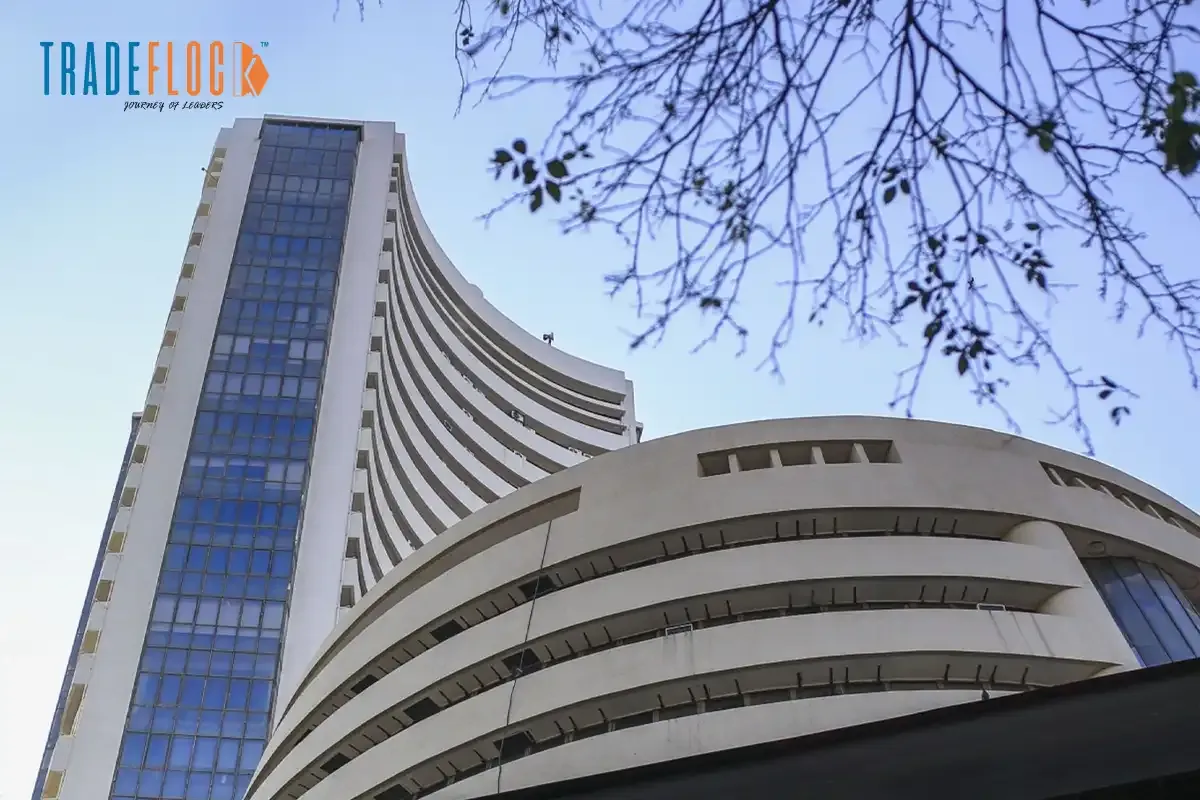
One judge, plus another on the appeals panel, confirmed that the insolvency court has solid authority under a specific IBC rule to handle cases involving frozen shareholding records during a company’s collapse. Their view stands firm: freezing lifts ordered by the lower tribunal fall squarely within the permitted powers. What matters here is that the law allows it. One step back, then forward: NCLAT turned down BSE’s challenge to NCLT’s move to unfreeze demat accounts in insolvency cases. Power stays where it was, with tribunals handling bankruptcy matters. Courts stand firm on what the IBC allows. Not a single new door opened here, just clarity nailed down. What looked like a conflict ends up confirming existing reach; not surprisingly, only confirmation authority remains untouched.
Authority traces back to written provisions, nothing more. The action taken was not beyond reach, the legal groundwork supported each step, and no stretch of duty occurred. Frozen accounts started it all. Future corporate resources, paired with Liz Traders and Agents, found access cut off by BSE without warning. Payment gaps on yearly listing changes opened the door, and missing the steps in rule-based tasks made things worse. The freeze landed because of those unpaid dues, tied to overlooked regulations. Now comes a twist for those handling broken firms, who have asked the court to unfreeze the assets. Without entry to digital share vaults, selling stakes becomes impossible. Money meant for lenders sits trapped unless movement resumes. Court action felt unavoidable once delays stretched on. What stops progress today may shift tomorrow under new rulings.
Read More: India-US trade talks close, but differences linger
Beyond that point, the NCLAT dismissed the claim, stating matters tied closely to insolvency resolution belong to the NCLT’s authority. Still, the panel emphasises that the IBC takes precedence over alternative statutes if disputes arise in insolvency cases. Now comes a shift: when money troubles hit firms, the court power reaches into demat holdings, only when needed to fix or close them down. This moment sets clearer lines. How market rules meet bankruptcy steps finally got some daylight in India’s company rescue system.