Picture sending money to someone across the world in minutes without a bank, paperwork, or hidden charges. Does sound futuristic, right? This is why Bitcoin exploded from being an internet experiment into one of the biggest financial revolutions. Whether you are scrolling through investment news or watching global companies adopt crypto payments, you have definitely heard about Bitcoin. As of 2026, Bitcoin commands a market capitalisation of approximately $1.25 trillion, making it one of the most prominent cryptocurrency assets in the world, though its value fluctuates significantly over time.
Some call it “digital gold”, but others believe it is the future of how money will work.
Why? Because Bitcoin challenged the traditional banking model by offering a way to transfer value directly between people, without banks or governments acting as intermediaries..
Table of Contents
But, What Does Bitcoin Do?
Don’t think of it as yet another online payment method, as it has been a complete game-changer. Bitcoin has changed how people think about money, ownership, and financial freedom. Through this guide, you will learn what Bitcoin is, how it works, why it is valuable, and why it continues shaping the future of money in 2026.
What Is Bitcoin?
Bitcoin is a decentralised digital asset that allows people to send and receive money online without relying on banks or governments. Unlike traditional money, Bitcoin completely exists online and runs on advanced blockchain technology.
This system is designed to make transactions secure and decentralised. Since the launch, Bitcoin has grown from a niche internet concept into a trillion-dollar financial asset influencing global markets and digital finance.
Quick Bitcoin Facts (About its Origin)
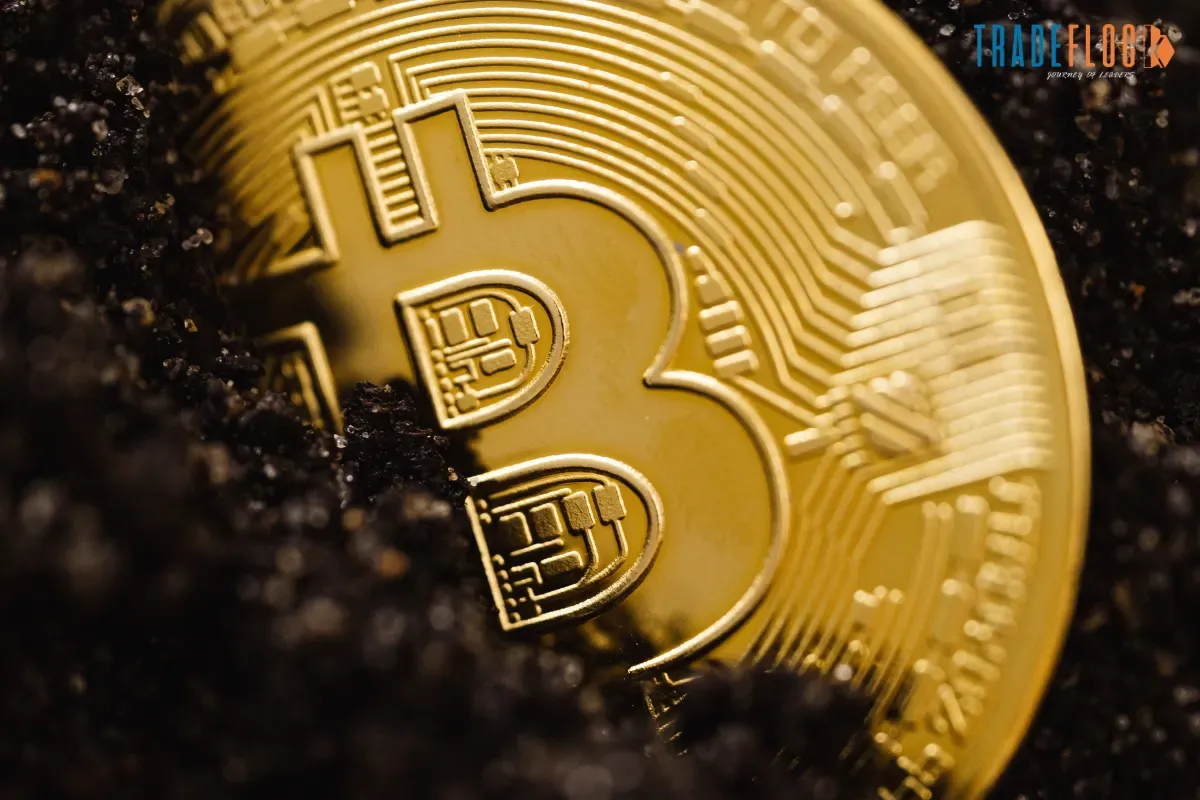
Bitcoin was conceived in 2008 when a person or group using the pseudonym Satoshi Nakamoto published a whitepaper describing it, and the network officially launched on January 3, 2009. It became the world’s first successfully deployed cryptocurrency. Bitcoin uses the ticker code BTC and the symbol ₿ and one of its defining features is its built-in scarcity.. You may also see XBT used on some financial platforms as it conforms to international currency naming standards. Unlike traditional currencies that governments can print as needed, Bitcoin has a fixed supply cap of 21 million coins.
Another interesting fact is that Bitcoin has a maximum supply of 21 million coins. So, in short, this digital currency exists entirely online, instead of physical coins or paper notes. People generally use it to:
- Send money globally
- Store value digitally
- Make online payments
- Invest for long-term growth
And honestly, once people get to fully understand what Bitcoin is worth. They begin to see why it became such a major financial movement across the world.
So…. How Does Bitcoin Actually Work?
At first glance, Bitcoin might seem complicated, but understanding what Bitcoin is becomes a lot easier once you learn about blockchain technology. Does that sound scary? Here is the simplest explanation
“What does Blockchain do?”
Just imagine that you have a giant digital notebook shared across hundreds of thousands of computers worldwide. Every Bitcoin transaction will be recorded inside that notebook permanently.
This shared online notebook is called the blockchain, where thousands of computers can verify simultaneously. Once any information is added, it becomes extremely difficult to alter.
Unlike traditional banks, no single company owns or controls it. Instead, the network verifies transactions collectively, which makes Bitcoin a decentralised hub.
How Does Bitcoin Move Across the Digital World?
The first question that pops into mind when investing in this cryptocurrency is, “Is Bitcoin safe?” A simple “yes” might not clear your doubts. But you need to understand the ins and outs of how Bitcoin works to reach your own conclusion.
Here’s What Happens
When someone sends Bitcoin, a transaction request is created. This transaction is generally verified through a process called mining. Miners use advanced computers to solve complex cryptographic puzzles, a process that confirms transactions are legitimate and adds them permanently to the blockchain.
In return, these miners receive newly created Bitcoin, which gets added to the blockchain. The mining process also helps maintain network security and keeps the blockchain functioning properly.
Lastly, the receiver gets the Bitcoin. In order to use this cryptocurrency, people need a digital wallet. A Bitcoin wallet stores two types of cryptographic keys: a public key, which others use to send you Bitcoin, and a private key, which you use to authorise transactions. Never share your private key with anyone. Moreover, there are two main types of wallet:
- Hot Wallets: Connected to the internet for quick access
- Cold Wallets: Offline storage offering higher security
This way, a wallet helps users to send, receive, and securely store Bitcoin. In short, a clear grasp of these systems helps beginners understand what is Bitcoin and why it works differently from traditional money.
Why Is Bitcoin Valuable in 2026?
Still don’t get, “Why would people spend thousands of dollars for digital coins?”
This cryptocurrency’s value stems from several factors that make it distinct from traditional financial systems.
Decentralization
Bitcoin operates independently of governments and bank systems. This instantly appeals to people looking for greater financial control and freedom.
Global Adoption
Over the past few years, Bitcoin has gained mainstream recognition. Today, businesses and payment platforms are now able to integrate this digital currency into their financial systems.
Regulatory approaches to Bitcoin vary widely by country; some nations have introduced clearer legal frameworks for crypto assets, while others continue to restrict or ban their use. These are the reasons why searches for what is Bitcoin continue increasing globally every year.
Bitcoin Benefits Vs Risks (in 2026)
| Why People Like Bitcoin | What Users Should Be Careful About |
| Send Money Across the World Faster: No waiting for long bank approvals or international transfer delays. | Bitcoin Prices Can Change Quickly Bitcoin values can rise or drop suddenly, making it risky for new investors. |
| More Control Over Your Own Money Users can manage their funds directly with zero dependency on banks | Online Bitcoin Scams Are Common Fake investment offers, phishing links, and scam apps are a real thing in Crypto |
| Transparent Transactions Every Bitcoin transaction is recorded on the blockchain, making it more open and traceable. | No Recovery for Lost Keys If you lose your wallet’s private key or seed phrase, there is no way to recover your Bitcoin. Unlike a bank password, there is no reset option. |
How to Buy The Digital Currency (Is Bitcoin Safe)
Buying Bitcoin has become easier than ever in the digital age. Most beginners can start through trusted cryptocurrency exchange platforms for Indian users; popular starting points include Indian-registered exchanges such as CoinDCX, ZebPay, and CoinSwitch, which support INR deposits and comply with local FIU-IND regulations. International platforms like Binance and Kraken. Here is a quick step-by-step guide to buy your first Bitcoin:
- Verify your identity
- Connect a payment method
- Purchase Bitcoin
- Store it securely in a wallet
Quick Tip: Start with smaller investments while learning how the market works. More importantly, never share your wallet recovery phrase or private keys with anyone.
If you are a first-time investor, search for what is Bitcoin to understand the basics before making your next major digital currency purchase.
Final Thoughts: The Future of Bitcoin in 2026
Bitcoin is no longer just an internet trend. It has quickly turned into a global financial movement that challenged how people think about money, banking, and digital ownership. Moreover, governments, businesses, and investors are paying closer attention to blockchain technology and decentralised finance.
In addition to this, other trends are shaping Bitcoin’s future, including its growing institutional adoption and integration with AI-driven financial systems. This will result in the expansion of global digital payments.
While opinions about Bitcoin’s future may differ, its impact on modern finance today is undeniable. That is exactly why millions of users still search for what is Bitcoin every single month.
Frequently Asked Questions
Is Bitcoin legal in India?
Bitcoin is legal in India, but it is not recognised as legal tender.
How do I buy Bitcoin safely?
To buy Bitcoin safely, you must use a government-registered cryptocurrency exchange, enable strict account security measures, and transfer your coins to a private hardware wallet.
What is the minimum investment?
In India, most major exchanges like CoinDCX allow you to start with ₹100. Global minimums vary by platform but are typically very low, since Bitcoin is divisible into 100 million units called Satoshis.