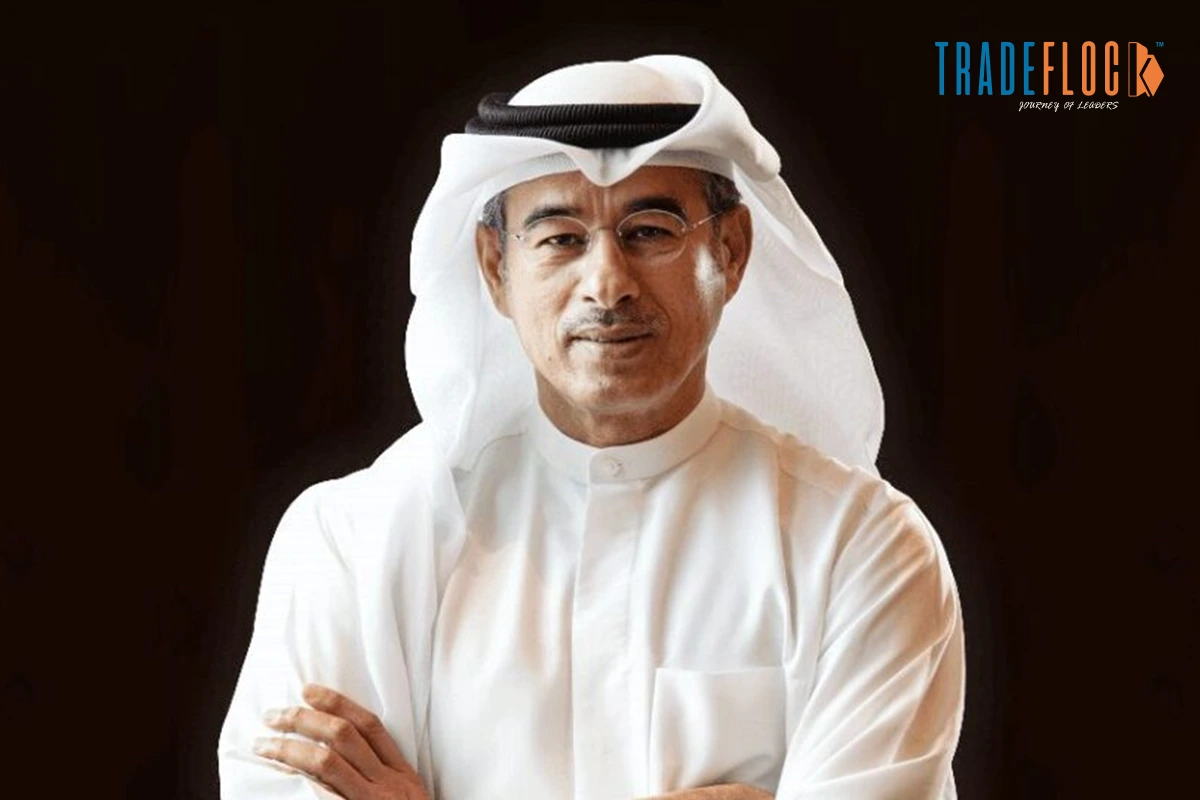
Mohammad Alabbar, founder of Emaar Properties and the visionary behind Noon, is one of the primary investors in the real estate, retail, digital banking, and consumer services sectors. He has plugged some of the major holes in regional and world markets where dreams of economic development have outpaced entrepreneurial ability. He came in and made a difference with vision, discipline and a focus on creating value.
Alabbar is a one-of-a-kind talent at connecting the big picture with the practical and planning successful ecosystems. His work runs across various fields from building desert landmarks such as the Burj Khalifa and Emaar’s Dubai malls, to the establishment of Noon to run the digital future of the Arab world. It is, after all, a concept of creating enduring value.
Along the way, he has encountered and overcome a range of challenges including resistance to new ideas, concerns about local tech companies and the dangers of property development and new markets. Not only is Alabbar’s journey a tale of victory, but it’s also a testament to perseverance, growth and a vision made a reality.
The lessons we can learn from the leadership of Mohammad Alabbar.Leaders lessons from Mohammad Alabbar.
Table of Contents
1. Vision Before Volume
His constant mantra is to take a long-term view of things rather than a short-term. This frame of mind has catapulted Emaar into becoming a global real estate leader, with development initiatives in more than 18 countries and a development value to the tune of hundreds of billions of dirhams.
For Alabbar, vision isn’t about showcasing; it’s about having a clear, purposeful direction. Launching Noon was not simply another internet shopping website. The initiative to build up digital competencies and competitive value in the region was a clever business decision. His sense of purpose has infused his businesses with a competitive edge and resilience to market fluctuations.
Leadership Lessons: Always develop a strategy based on long-term goals and vision that will attract talent, capital, and credibility.
2. Relentless Discipline
Alabbar’s leadership style is defined as disciplined, not harsh, on honesty, hard work, and quality. It’s not a matter of being rigid but being consistent about what is important.
“They said I was brutal,” he once said, “but I took that as a compliment; it means I’m disciplined in my learning, honesty, hard work and quality.” This attitude is reflected in his team and project management.
He looks for talented individuals and is not afraid to make difficult decisions when necessary because standards aren’t being met. He even brazenly announced he fired his marketing team at Noon because they had failed to show him measurable results, despite it being a decision made not because of his ego, but because of his desire for evidence-based accountability.
Leadership Lesson: Discipline instils strategy and purpose, and delivers positive, driven outcomes. This unlocks a great number of opportunities.
3. Product Integrity as a strategic advantage
Alabbar’s critique of existing business concepts is that quality and authenticity are better than traditional advertising.
He doesn’t think spending a lot on advertising is the best way to sell a great product, and that is exactly how he believes his real estate projects at Emaar and his platform at Noon have sold themselves. No need to hate marketing – it’s about real marketing.
Unlike many general, unspecific marketing efforts that lack measurement, Alabbar leverages data and focus to ensure the product reaches the right audience at the right time. He turns the usual script on its head, makes it great first, then tells people why it’s great.
Leadership Lesson: The Best marketing can’t overcome mediocrity in intrinsic value.
4. Take Smarter Risks
But risk is the defining characteristic of leadership, and Alabbar demonstrates how thoughtful and judicious risk-taking, based on information, foresight, and flexibility, sets the difference between successful and reckless ventures. Whether he is starting a business in a market with international big players or real estate investments in a market downturn, he takes a calculated risk with each decision he makes.
Entrepreneurs should think about the pros and cons, and go above their comfort zone, he says. This attitude fosters innovation and keeps things agile, allowing businesses to be flexible when necessary without forgetting about their long-term objectives.
Leadership Lesson: Calculated risk is not a luxury, it’s a necessity. Leaders need to be aware of the risks involved and also need to be alert for any high value deals.
5. Leadership Is Service: Putting People and Purpose First
Alabbar’s leadership goes beyond just numbers and projects. He stresses the need to respect, be patient and establish good relationships particularly with people of different nationalities in the UAE. Great teams, developing talent and teamwork are essential to real growth.
His other strengths are customer focus and a lifelong learning ethos that fosters trust and loyalty among all parties. Through this he shows how the values can be applied to his work and that true leadership isn’t about expanding markets and raising the profile, but helping others.
Leadership Lesson: Making great teams, developing talent and fostering a team culture are essential to real growth.
Leadership Without Borders
The story of Mohamed Alabbar is a prime example of leadership. He demonstrates leadership in vision and integrity both in the iconic projects he builds in Dubai and in his impact on how the Middle East shops and leverages technology. He’s a leader in bold ideas, careful planning and F-Humain.
His lessons for anyone desiring to make an impact are unequivocal: boldness, discipline and value, always think in terms of value. The bottom line, whether you’re starting a new venture or taking over an established business, is to always follow your vision, stick to your plans and don’t settle for second best.