
An Emphatic Leader Caring With Compassion
MIRELA CERNAIANU
Physician
Hera Beauty and Wellness
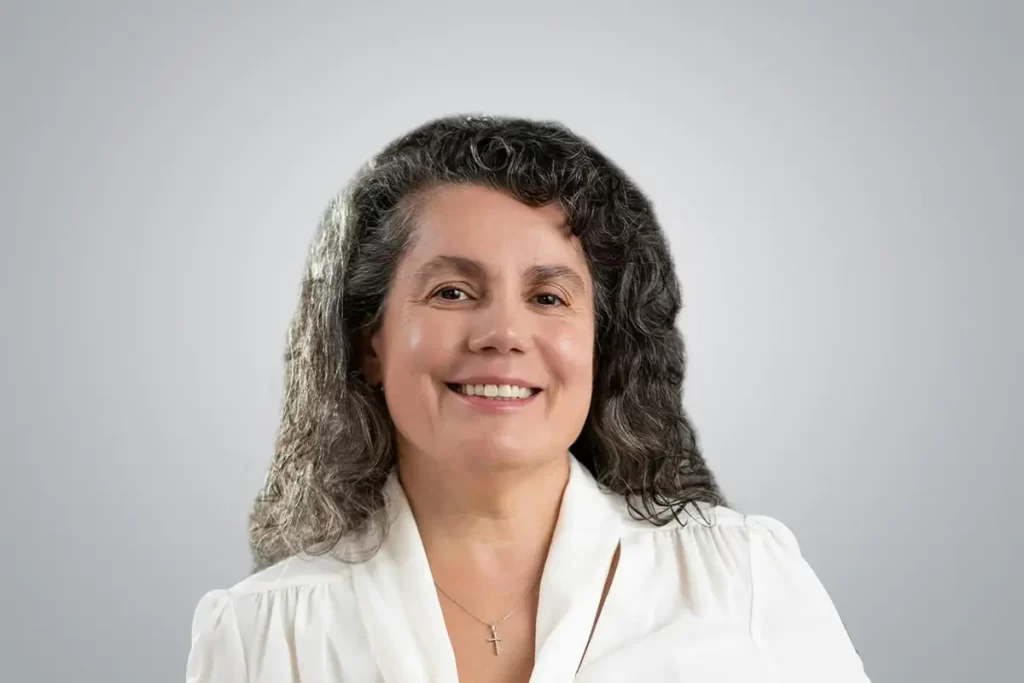
An Emphatic Leader Caring With Compassion
MIRELA CERNAIANU
Physician
Hera Beauty and Wellness
The healthcare landscape is experiencing a profound shift as patients move beyond traditional, insurance-driven models and seek care that feels personal, preventive, and deeply informed. Rising interest in hormone therapy, peptides, restorative medicine, and whole-person wellness has created both opportunity and disruption across the industry. While corporate systems scale rapidly, independent physicians now carry the responsibility of advancing progressive treatments and preserving the human side of care. In the middle of this changing landscape stands Dr. Mirela Cernaianu, a physician known for her integrative approach to women’s health, restorative therapies, and compassionate patient relationships. Over the past two decades, she has built a respected independent practice while navigating the pressures of evolving insurance structures, administrative demands, and the complexities of innovation. Her work in hormone therapy, menopause care, and advanced weight management reflects both scientific rigor and a commitment to serving patients who often feel unseen in traditional settings. Dr. Cernaianu’s journey includes leading her own practice for more than twelve years, championing evidence-based menopause treatment, and integrating GLP-1 therapies with safety-focused protocols long before they became mainstream. Her philosophy blends medical precision with empathy, aiming to help patients age with confidence, clarity, and lasting vitality. During an exclusive conversation with TradeFlock, she shared her journey, challenges, and vision.
How have you seen the physician’s role transform over the past twenty years?
When I look back, the change feels enormous. Actually, two decades ago, physicians still had a real sense of autonomy. Today, much of that independence has been absorbed by corporations and private equity groups. I’ve watched incredibly talented doctors lose the ability to make intuitive, experience-driven decisions and instead follow corporate guidelines meant primarily to limit financial and legal exposure. At the same time, scientific therapies slowly drifted into non-medical spaces. It has always bothered me that peptides and IV vitamins—clinical tools—moved to med spas simply because large systems didn’t want to deal with them. And yet, something encouraging did happen too. After twenty years of debate, the FDA finally removed the black box warning on estrogen. For me, that was a moment of relief and validation. It opened the door for safe, evidence-based menopause care again, which I believe will only grow in the decades ahead.
How has this industry transformation changed what patients expect and experience today?
Patients today walk in with more knowledge, more curiosity, and, honestly, far more expectations. Over the years, they’ve become active participants in their care. Many arrive already asking for peptides, NAD, or hormone therapy because they’ve been listening to podcasts and following scientific discussions online. They know these options exist—but they rarely find them in corporate clinics. That gap naturally brings them to physicians like me who practice restorative care. But the real challenge is cost. Patients are paying higher insurance premiums than ever, yet the treatments they want most are usually out-of-network or not covered at all. I can feel their frustration when they realize insurance won’t support the care they’re ready to invest in. And honestly, I share that frustration, because they’re trying to take charge of their health while the system lags behind.
What major challenges have you faced while building and leading your practice?
My biggest challenge began on day one. Physicians are trained extensively in medicine but not in running a practice. I had to learn leadership, finance, and team development on my own. I invested years of time and resources in consultants and training just to understand how a stable practice actually works. Independent physicians also have little power when negotiating with insurance companies. We often receive reimbursements below Medicare rates, and those rates rarely grow with inflation. Many practices survive by going out-of-network or relying solely on cash services. I chose to stay in-network because my patients rely on it, but that decision comes with financial pressure. Innovation adds another layer of difficulty. Progressive therapies require education, protocols, and caution. Corporate systems avoid this risk, so independent clinics carry the responsibility of advancing care. I try to balance my vision for whole-person medicine with the economic realities of staying independent. It is an ongoing challenge, but it is also the most meaningful work I do. To bridge these gaps, I also launched a podcast in 2023, where I’ve shared over 115 episodes of practical medical insights on hormones, wellness, and healthcare challenges to help patients make informed decisions.
How do you balance ethical care with the financial pressures of running a practice?
Every year, I reconsider going cash only because accepting insurance strains the practice. But then I think about my long-term patients, many of whom I have cared for since 2013. I cannot imagine abandoning them. That emotional connection grounds my decisions. The administrative burden is heavy. My team handles countless calls, refill requests, and diagnostic tasks outside face-to-face appointments. None of this work is reimbursed, yet it is essential for patient wellbeing. It contributes to burnout throughout healthcare. Large corporations often ignore these calls, but small practices cannot. My responsibility is to stay present, to guide my team, and to make decisions that preserve the dignity of both patients and staff. That is how I try to stay both ethical and sustainable.
How do you support your staff and reduce burnout in your team?
I stay energized because I genuinely love what I do. New challenges motivate me. But I know my team experiences stress differently, so I try to create an environment where they feel safe and valued. Their personal life comes first. If someone needs time, space, or flexibility, they have it. They can adjust their schedules, bring their dogs to work, and ask for help without hesitation. We did all this because we believe trust keeps them balanced. The harder part is carrying both roles as CEO and practice manager. I have done this for twelve years, and it takes a toll. I continue to search for the right manager who can support the team with the same empathy I expect in patient care. Until then, I try to be fully present with my staff so they do not feel alone in the work.
Can you share a moment when you had to choose between caution and innovation?
The decision to implement GLP-1 therapy for weight loss was one of the toughest choices I have made. I spent almost two years studying its science, attending conferences, and observing outcomes. It works, but it also carries serious risks when used without proper supervision. I watched low-cost online platforms prescribe these medications without considering muscle loss, bone density, or digestive issues. That worried me. As a holistic physician, I questioned whether I should adopt it at all. But I also knew that some patients could not lose 100 pounds solely through lifestyle changes. They needed another tool. After long reflection, I introduced GLP-1 therapy with strict safety protocols and thorough training for my providers. It was a difficult decision, but seeing patients regain mobility and confidence confirmed that it was the right one.
What emerging treatments inspire you most as you look to the future?
I am especially hopeful about the future of menopause care. The FDA’s decision to remove the black box warning on estrogen finally corrected years of fear and misunderstanding. Women deserve clear information and personalized treatment. They should enter menopause prepared, supported, and confident. Peptide therapy and lifestyle-based wellness practices will also play important roles in helping women age with strength and vitality. These therapies allow us to view aging not as decline but as a new stage in which energy, function, and balance can be regained. That is the future which excites me.
Featured Magazine -

All Magazines -