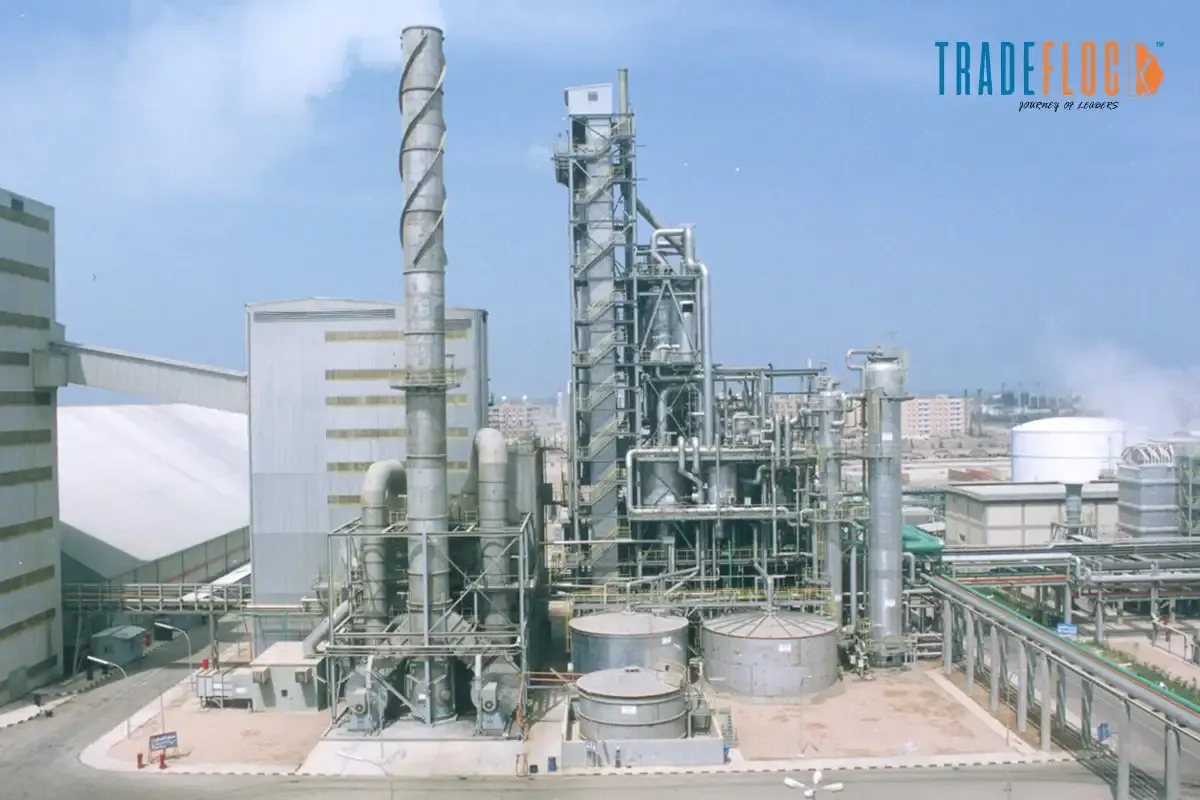
The Cabinet Committee on Economic Affairs approved the National Investment Policy for Urea(NIPU)-2026 to make India self-reliant in fertilisers. India’s annual urea requirement is 40 million tonnes. However, only 33 working plants produce 30 million tonnes. The country imports the remaining 10 million tonnes to bridge this huge gap.
NIPU-2026 targets adding 10 million tonnes of domestic capacity by setting up 8-9 new gas-based plants. Each facility will generate roughly 12.7 lakh metric tonnes every year. This strategic framework replaces the old New Investment Policy-2012, which successfully ended back in October 2019.
The new guidelines introduce massive changes to invite private, cooperative and public investors under identical incentives. It ensures transparency by separating fixed and variable costs. The policy guarantees a Return on Equity band of 12% to 16%. It also handles volatile foreign exchange risks by converting plant fixed costs into Indian Rupees after four years. This financial protection can save over ₹250 crore per plant compared to the previous rules.
Also Read: Wipro Buys Good Home and Eva Brands for ₹256 Crore
By scaling up local production, India protects its crucial agricultural supply chains from global geopolitical tensions and route disruptions. This policy directly cuts down the heavy fiscal burden of import bills while safeguarding domestic food security for millions of farmers. Equal incentives ensure steady corporate growth across all business sectors. Moving forward, the Ministry of Fertilisers will immediately evaluate fresh incoming corporate proposals. This systematic rollout will create new rural employment opportunities and strengthen local infrastructure.