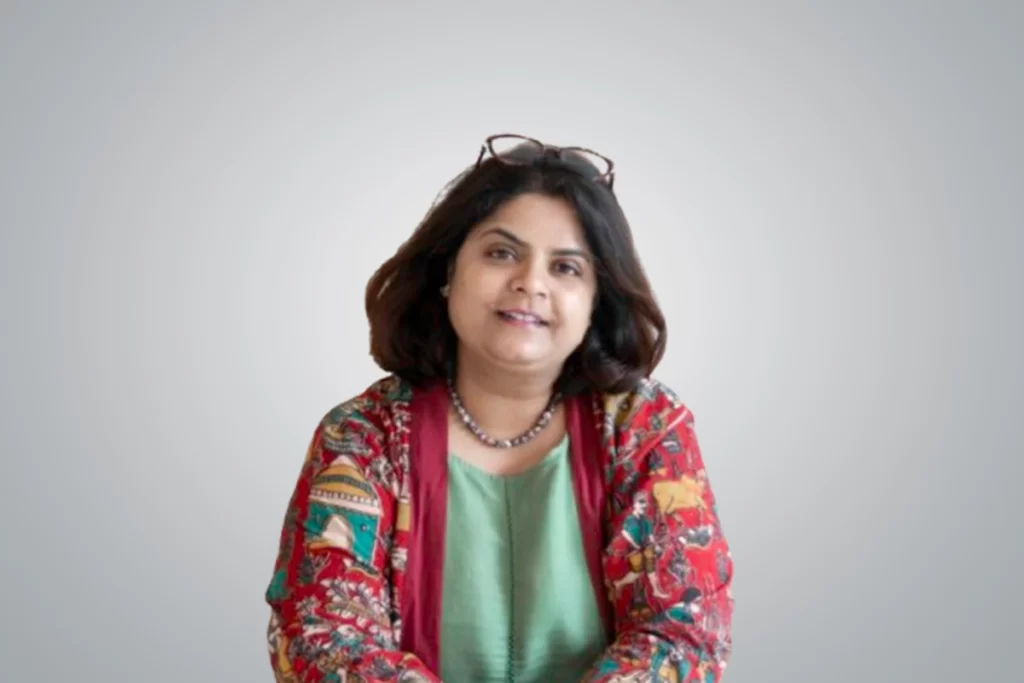
Every impactful leader carries a story of choices that defy convention. For Tanu Gupta, Founder & CEO of Human Factor, the story began in Delhi, where her mother, a psychology gold medallist, saw in her a unique strength in fostering human connection. Encouraged by this, Tanu chose to study psychology at Jesus and Mary College, setting the foundation for a career dedicated to unlocking human potential. In the early 1990s, when MBAs were the unquestioned gold standard, she took a different path, opting for a master’s in social work. The decision combined academic depth with real-world fieldwork and clearing the highly competitive entrance became her first milestone in independence and conviction. Specialising in labour welfare and human relations, she soon earned a pivotal assignment at a leading firm, working directly with senior leadership on organisational restructuring. This rare exposure to boardroom decision-making gave her a strategic edge early on, anchoring her as an HR professional who could seamlessly blend business transformation with human empathy. Her journey has also been shaped by personal anchors—her husband’s entrepreneurial grit and her mother-in-law’s spiritual wisdom— instilling balance, resilience, and a strong sense of purpose. Today, Tanu channels this unique blend of experience into Human Factor, driving initiatives that champion disability inclusion, workplace accessibility, and inclusive ecosystems. Her story is proof that leadership is not about following convention but about courage, authenticity, and creating change that truly matters. She shares her journey with TradeFlock.
In your HR career, what has been your most challenging yet rewarding accomplishment?
Two experiences stand out. At one workplace, I led a major restructuring in the BPO division that required dissolving a sales vertical. Senior employees, many of them primary breadwinners, were directly impacted. Managing exits is one of HR’s toughest responsibilities, and I made it my mission to go beyond the process. Through consistent engagement, guidance, and networking support, nearly 80% of those affected were either redeployed or placed externally. It was emotionally draining but deeply fulfilling, turning a painful transition into one of dignity and hope. The second was implementing an enterprisewide HR ERP system. This large-scale transformation streamlined processes, improved transparency, and enhanced efficiency. It allowed me to combine two passions, technology and human resources, in a way that continues to influence my leadership philosophy.
"Having begun my entrepreneurial journey at 52, I see the coming years as an opportunity to balance purpose with passion, where personal fulfilment drives professional success"
What current initiative do you believe can transform HR?
My current focus is transforming HR through disability inclusion. We are working on two fronts—integrating persons with disabilities into the workforce by skilling and placing them in meaningful roles, and conducting accessibility audits to make workplaces truly inclusive, both physically and digitally. Many organisations aspire to be inclusive but are unsure where to begin. By offering end-to-end solutions, we bridge that gap. For me, this is more than strategy; it’s about unlocking human potential and proving that inclusion can reshape the future of work in India.
What goals do you hope to achieve in the next five years?
As an entrepreneur, my goal is to scale Human Factor toward an IPO, demonstrating that social impact and financial success can coexist. Personally, I seek growth through music, travel, and spirituality. Having begun my entrepreneurial journey at 52, I see the coming years as an opportunity to balance purpose with passion, where personal fulfilment drives professional success.
When you compare India’s work culture with the West, what stands out as the biggest gap?
The biggest gap is the shortage of skilled talent, especially as technology evolves at a rapid pace. While industries in India adopt new tools quickly, our workforce often struggles to keep up. Upskilling and reskilling remain urgent needs, but both infrastructure and mindset require significant strengthening. Equally critical is the overlooked talent pool of persons with disabilities. India has nearly 2.2 million such individuals, yet many remain excluded due to biases or inaccessible workplaces. Through Human Factor, we focus on bridging this divide—driving inclusion, skilling, placements, and accessibility audits to address the talent gap while creating meaningful opportunities.
In transitioning from corporate to entrepreneurship, what was your biggest hurdle?
The toughest part was shifting from an employee mindset to an entrepreneur mindset. In corporate life, support systems are built in— the organisation, the team, the peers. As an entrepreneur, you are the support system, and every decision rests squarely on your shoulders. When I began my entrepreneurial journey, despite decades of experience, I realised I was building everything from scratch. To prepare, I undertook business coaching. Even as an executive coach myself, I valued external guidance, which helped me transition into the mindset of a founder—creating, building, and leading independently.
Can you share an example of a tough client and how you handled it?
One of our toughest clients was a nationwide shared office space provider that resisted investing in accessibility, prioritising short-term ROI. Despite multiple sensitisation workshops at leadership levels, progress was limited. We shifted our approach—engaging their clients instead. When businesses leasing their spaces began insisting on accessible infrastructure, the company recognised inclusion as a business imperative. That pivot created real change. Today, they partner with us to conduct accessibility audits—a powerful lesson in driving transformation through market-driven demand.
Featured Magazine -