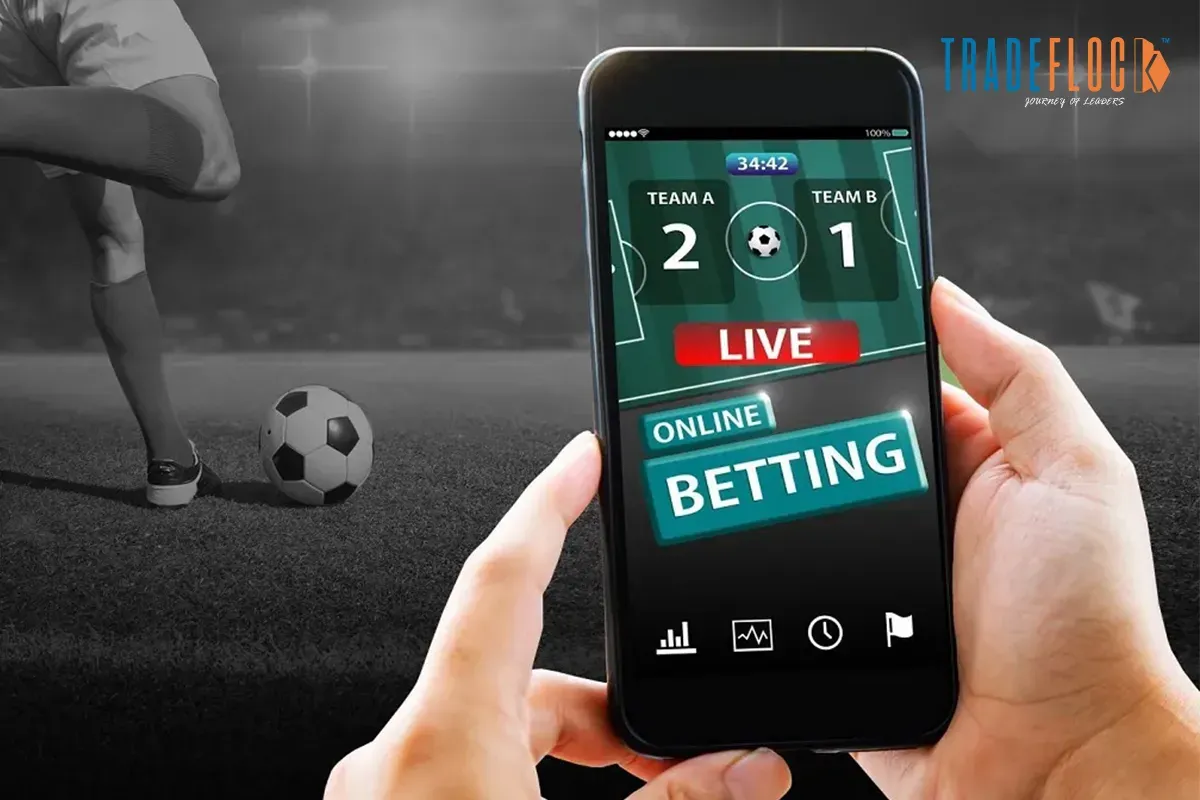
A few years ago, betting felt like a small ritual. Open a laptop, check odds, compare sites, maybe think twice before clicking “place bet.” It took time. It required intention.
In 2026, that mindset is gone. Betting lives on your phone now, and the phone doesn’t like hesitation. One tap and you’re inside the market. Apps like the one available via this parimatch app link show how fast and natural the process has become. No long loading, no complicated menus, just straight into action.
That speed isn’t just convenient. It’s changing how people actually bet.
Betting Is No Longer Occasional, It’s Continuous
Before mobile apps took over, most people bet in sessions. You planned it. Maybe before a big game, maybe on weekends. Now betting fits into normal life.
People place bets:
- while commuting,
- during lunch breaks,
- while watching highlights,
- even between meetings.
Instead of one big decision, users make many small ones. Betting becomes something you “check,” not something you “prepare for.”
This leads to a new style: lighter, more frequent, and more flexible. Players don’t wait for perfect moments anymore. They react to what’s happening right now.
Live Betting Took Control
Pre-match betting still exists, but live betting dominates in 2026.
Mobile apps are built for real-time action. While a match is running, odds move every few seconds. Users don’t just bet on the final result anymore. They focus on moments:
- next goal,
- next corner,
- next card,
- possession changes,
- short-term outcomes.
The phone becomes a second screen. Sometimes even more important than the TV.
Instead of watching and hoping, bettors interact with the match. They wait for momentum, spot mistakes, and enter markets instantly. This makes betting feel less like guessing and more like timing.
Push Notifications Create Behavior
One of the biggest changes comes from something simple: notifications.
Modern betting apps don’t wait for users. They pull them back in.
In 2026 your phone shows alerts like:
- odds just changed,
- match starting now,
- cash-out available,
- special market unlocked.
It sounds small, but it reshapes habits.
Instead of asking, “Should I bet today?”, people react to prompts. The app becomes a quiet assistant that reminds, suggests, and nudges. Over time, users stop searching for bets. Bets come to them.
And when betting becomes reactive, style becomes faster and more instinctive.
Interface Speed Changes Decision-Making
Design affects psychology more than most people admit.
Mobile betting apps in 2026 are optimized for speed:
- Face ID login,
- auto-filled bet slips,
- one-thumb navigation,
- instant confirmation.
There’s less space between thought and action.
Before, a bettor might hesitate. Now, hesitation disappears. You see value and you’re already in the market.
That leads to a more dynamic style:
- quick entries,
- fast exits,
- smaller positions,
- frequent adjustments.
It starts to feel closer to trading than traditional gambling.
AI Is Quietly Guiding Bets
Most users don’t notice it, but AI already shapes betting behavior.
Apps analyze:
- your leagues,
- your timing,
- your bet size,
- your success patterns.
Based on that, they suggest markets and display odds differently for each user.
In 2026, people rarely browse randomly. The app shows what it thinks fits you.
So betting becomes semi-assisted. Not automated, but guided. Users still decide, but the platform influences what they see first.
This shifts style away from emotional guessing toward pattern-based betting.
Micro-Stakes Replace Big Risks
Another major change is bet size.
Mobile apps encourage small, frequent bets instead of big single ones. It’s easier to place five $10 bets than one $50 bet when everything is fast and simple.
So bettors think differently:
- spread risk,
- test markets,
- rotate bankroll,
- avoid heavy emotional pressure.
In 2026, many players treat betting like a flow, not a gamble.
They don’t chase one miracle ticket. They manage many small positions. That reduces stress and keeps people active longer.
Cash-Out Culture Changes Risk Management
Cash-out used to be optional. Now it’s normal behavior.
Mobile apps push cash-out buttons constantly:
- partial cash-out,
- early profit lock,
- loss reduction.
Instead of waiting until the end, bettors manage positions live.
This creates a calmer style:
- take profit early,
- protect bankroll,
- hedge mid-game.
In 2026, users don’t just bet. They manage exposure.
That’s a big psychological shift from “win or lose” to “control the outcome.”
Social Signals Influence Decisions
Modern apps show what others are doing:
- popular bets,
- trending markets,
- public confidence levels.
People check sentiment before entering a market. Some follow the crowd. Others fade it. Either way, betting isn’t isolated anymore.
Users compare themselves with the market.
That creates smarter behavior:
- spotting hype,
- avoiding traps,
- understanding momentum.
Betting becomes strategic instead of blind.
Betting Feels More Like Entertainment
Finally, mobile apps changed the emotional side.
Animations, clean visuals, live tracking, fast feedback, betting feels interactive, not formal.
In 2026, users don’t feel like they’re filling forms. They feel like they’re playing a system.
That changes behavior:
- shorter sessions,
- more curiosity,
- less fear of entry,
- more experimentation.
When betting feels natural, people explore more markets and develop their own style instead of copying others.
Final Thoughts
Mobile betting apps didn’t just move betting to phones. They rebuilt how people think about risk, timing, and control.
In 2026 betting style is:
- faster,
- lighter,
- more tactical,
- less emotional,
- more managed.
Your phone isn’t just a tool anymore. It’s the environment where betting decisions happen.
And the truth is simple:
Modern bettors aren’t just placing bets, they’re managing a moving portfolio in real time.
That’s the real change mobile betting apps brought to the game