India was taken totally unawares in October 1984. Indira Gandhi was a remarkable woman in politics and the longest-serving woman prime minister in the world, when she was murdered in her own house by two of her Sikh bodyguards. The shots by Satwant Singh and Beant Singh were not just the end of a life: they broke the illusion of stability in the country. The subsequent result was a time of grief, retaliation, murder and soul searching. Five years later (in January 1989), another chapter was quietly, yet firmly closed, when Satwant Singh and Kehar Singh were executed the same day. The hanging was not only the last judicial action in one of the worst political scandals of India, but also the death of two individuals.
Table of Contents
The Morning that changed the Political DNA of India
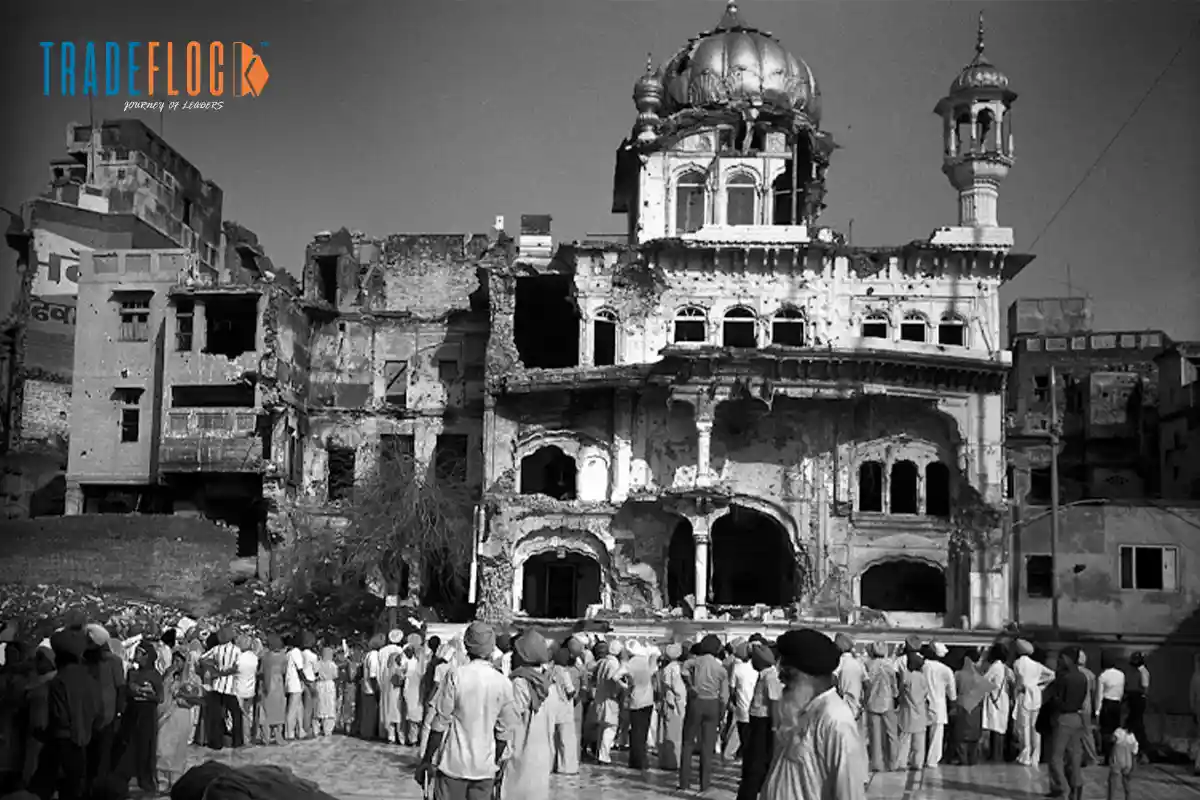
The killing which occurred on 31 October 1984 was a result of a far greater struggle. The Sikh community had been greatly scarred by Operation Blue Star that had been carried out earlier that year. The storming of the Golden Temple complex in Amritsar by the Indian Army led by Indira Gandhi to kill militants divided the country. The act was perceived as a revenge in the cases of Satwant Singh and Beant Singh. Beant Singh was shot in front of other security personnel, and Satwant Singh was able to evade the fire and was arrested.
At the scene of the assassination, Kehar Singh was not present. He was charged with conspiracy to act with Satwant Singh and others, radicalisation and inspiration of the act. This was among the most debatable aspects of the case in which he was implicated, both legally and ethically.
Experiment on a Wounded Nation
The Satwant Singh and Kehar Singh case was put on trial under the scrutiny of a case never seen before. The assassination, which was a national shock, preceded the anti-Sikh riots. It was a strained judicial process, and the case was transferred to a special court at Tihar Jail due to security concerns.
They were both convicted to death in 1986: Satwant Singh for the murder, and Kehar Singh on conspiracy. The case was presented to the Supreme Court by the Delhi High Court, in which India sought to strike a balance among justice, due process, and citizen sentiment.
Mercy Petitions and the Weight of Conscience
The Supreme Court upheld the death sentencing and mercy petitions were submitted. These calls gained the attention of most nations, especially in the instance of Kehar Singh, where his supporters argued that there was circumstantial evidence of conspiracy. Even the religious leaders, human rights activists and foreign observers got into the fray and sought pardon.
The mercy pleas were later rejected by the President of India. This decision assisted the state in maintaining its stance that the assassination of a sitting Prime Minister was an act of terrorism which should be severely punished. However, the rejection also triggered a debate on the subject of capital punishment, the limits of the state authority and the possibility of whether or not execution is a form of closure.
January 1989: The Silence Before The Rope
Satwant Singh and Kehar Singh were hanged in Tihar Jail on 6 January 1989. The executions were early in the morning when no one would notice, and there were no cameras. They were executed in a cold silence as opposed to the mayhem that ensued after the assassination of Indira Gandhi.
There were no mass demonstrations, and nationwide celebrations were not held. Rather, it was a silent agreement that a long agonising court ordeal was at an end. The executions were a way of giving justice to the Indian state. It was a wake-up call among the Sikhs and especially those who believed that they had been punished as a group since 1984.
Justice, Revenge or Closure?
The executions failed to erase the memories of the murder of Indira Gandhi and the wounds of the riots that followed were not cured. All they had was legal finality. The Indian court had subjected the whole legal process, both trial and appeal to a mercy hearing, to a constitutional framework on the ground that it had power over mob justice or political expediency.
However, questions remained. Was there anything that could be done to prevent the assassination? Were the executions due to more fundamental reasons like alienation and radicalisation? And was the hanging of Kehar Singh, whose position was distant, the prelude of the subversion of the line between ideological and criminal deeds?
A Time Reflection of Power and Fragility in Time Machine
Nowadays, the events of the period leading up to January 1989 serve as a historical warning. They underline the fact that, no matter how powerful the political power can be, it is susceptible. Another aspect highlighted in the story is that the state’s decisions, whether military actions or legal punishment, are generational.
Satwant Singh and Kehar Singh are not merely two names in people’s minds, but icons in the larger story of war, identity, and morality. Their execution marked the end of a legal era; however, the concerns of 1984 about morality and social issues are once again being rekindled in Indian politics.
History’s Quiet Verdict
Time is apt to deglamourise drama, leaving lessons behind. The executions of January 1989 are not merely moments of triumph or sadness but reminders of the manner in which countries respond to the conflicts within the country. By law, justice was served, and the verdict of history remains a complex mystery; the only semblance of justice is, after all, the gallows; yet, true reckoning, reform, and remembrance are needed.