
If you are still using your 2020 magic wand and it’s misfiring, sit. Pause. And rethink. It is time for you to revisit the Ollivanders. Maybe that will enable you to break through the modern spells and charms, even in the business world.
Today’s business leaders need to navigate a range of crises, from geopolitical conflicts and technological disruptions to fragile supply chains. Their daily responsibilities keep them so occupied that they often don’t pause to reflect on their leadership. It’s crucial for leaders to develop their skills continuously. There is a clear understanding that learning never stops. If a leader believes they have reached a state of perfect understanding, they should step back and consider whether management is well coordinated, producing positive results, and effectively harnessing decision-making power to address sudden uncertainties.
Concerns arise from overreliance on intuition, data overload leading to analysis paralysis, poor data quality, biased information, legacy systems, integration challenges, a lack of data skills and culture, and a focus on incorrect KPIs. Initiatives such as the Goldman Sachs Programme support and educate small-business founders across the UK.
Table of Contents
Real Challenges of CXOs –
By 2025, Chief Experience Officers (CXOS) retain their powers, but their traditional decision-making roles are being reshaped by three main forces: technological displacement, organisational decentralisation, and greater stakeholder oversight.
Additionally, a leader of a small business at Goldman Sachs, with 10,000 employees, observes that founders and CEOs in growing companies face similar challenges- mainly fatigue. Many feel exhausted and lonely, highlighting the importance of peer support.
Technological Displacement: “The Silent Partner effect.”
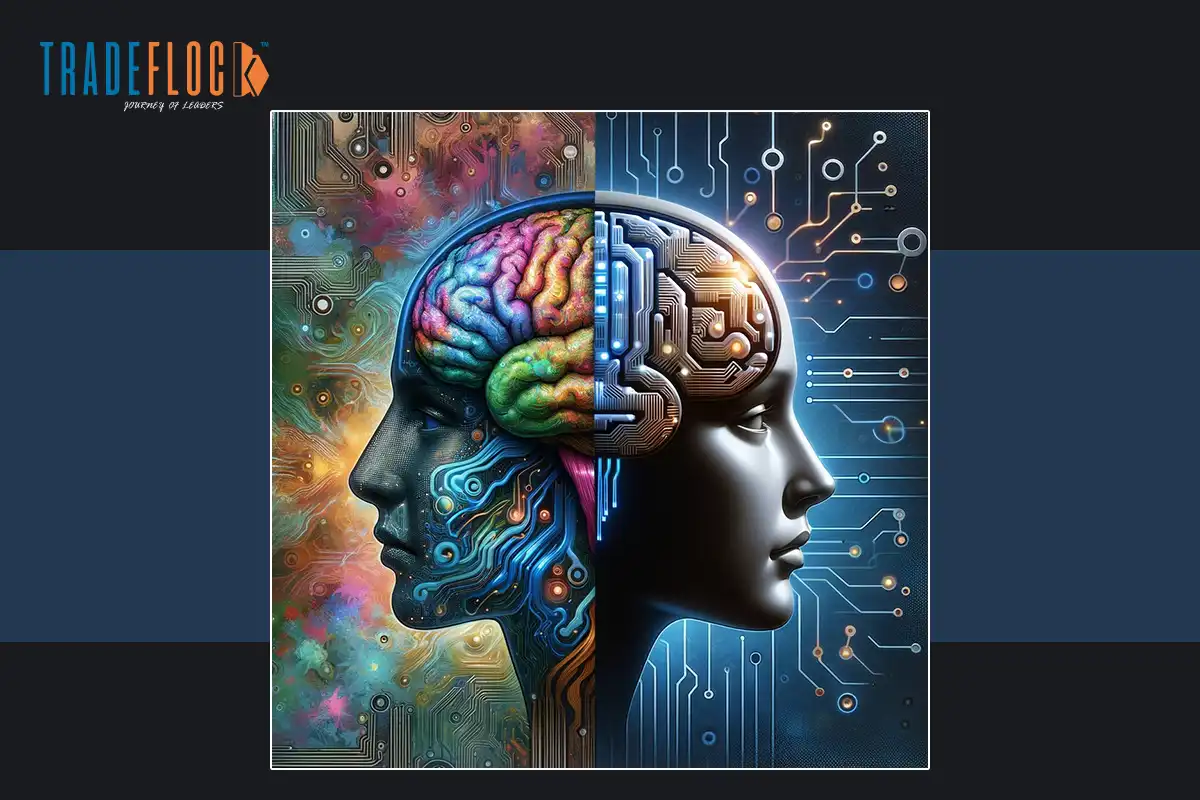
Technological displacement, known as “The Silent Partner effect,” refers to the rise of augmented intelligence. AI systems now handle approximately 76% of routine decisions.
CXOs are no longer tasked with developing strategies from raw data; instead, they serve as the final validators of machine-generated insights. Traditional gut-feeling leadership is being replaced by real-time adaptive forecasting and predictive risk modelling. This shift can be perceived as a loss of authority for leaders who once relied on charisma or experience to direct their organisations. Additionally, 45% of global CEOs identify a lack of skilled talent as the primary barrier to AI adoption, resulting in CXOs often being sidelined because they cannot effectively “speak the language” of the technology driving their departments.
Organisational Decentralisation: Shifting Power to Edges
Amidst the threat of technological displacement, organisational decentralisation is shifting authority toward the edges. To remain agile in unpredictable markets, many organisations in 2025 are deliberately reducing C-suite decision-making and delegating it to frontline teams.
Flattened hierarchies, achieved by removing management layers, enable squads or multifunctional teams to make independent decisions, thereby accelerating project delivery. Additionally, the rise of self-service analytics tools allows employees at all levels to access and analyse data, effectively ending the C-suite’s monopoly on information.
Increased Stakeholder and Regulatory Oversight
Recently, the traditional CEO role, rooted in imperial leadership, has been diminished by a shift toward stakeholder capitalism. This change has reduced decision-making authority.
Increasingly, decision-making is constrained by strict environmental, social, and governance (ESG) standards and by new regulations such as the EU AI Act. As a result, ESG and ethical mandates are key factors in limiting CXOS’ decision-making power.
Additionally, rising stakeholder activism compels leaders to align strategies with broader social and ethical norms, often overriding their personal vision. Moreover, boards now utilise specialised governance software to monitor compliance and performance in real time, shifting CXOs from strategic decision-makers to operational executors.
Where is it Going Wrong?
There are significant hidden complexities within organisations that most of us are unaware of. These include vision gaps, unclear roles, decision fatigue, and other personal disruptions, all of which hinder effective execution and idea implementation.
Nearly 40 per cent of senior leaders reconsider offers because their personal goals are misaligned with the company’s rigid digital transformation strategies. This shift in vision and evolution has significantly impacted human capabilities and increased reliance on technology.
Furthermore, many leadership roles envisioned for 2025 are poorly defined, risky, and uncertain. This causes CXOs to withdraw because of unclear decision-making authority and success metrics. Additionally, the 24/7 nature of hyperconnected markets and algorithmic competitors has made personal resilience a key challenge for effective leadership. Early 2025 data show a record high in CEO exits, with 247 CEOs leaving in February alone in the US, raising questions about adaptability and the human touch in hyperconnected markets.


