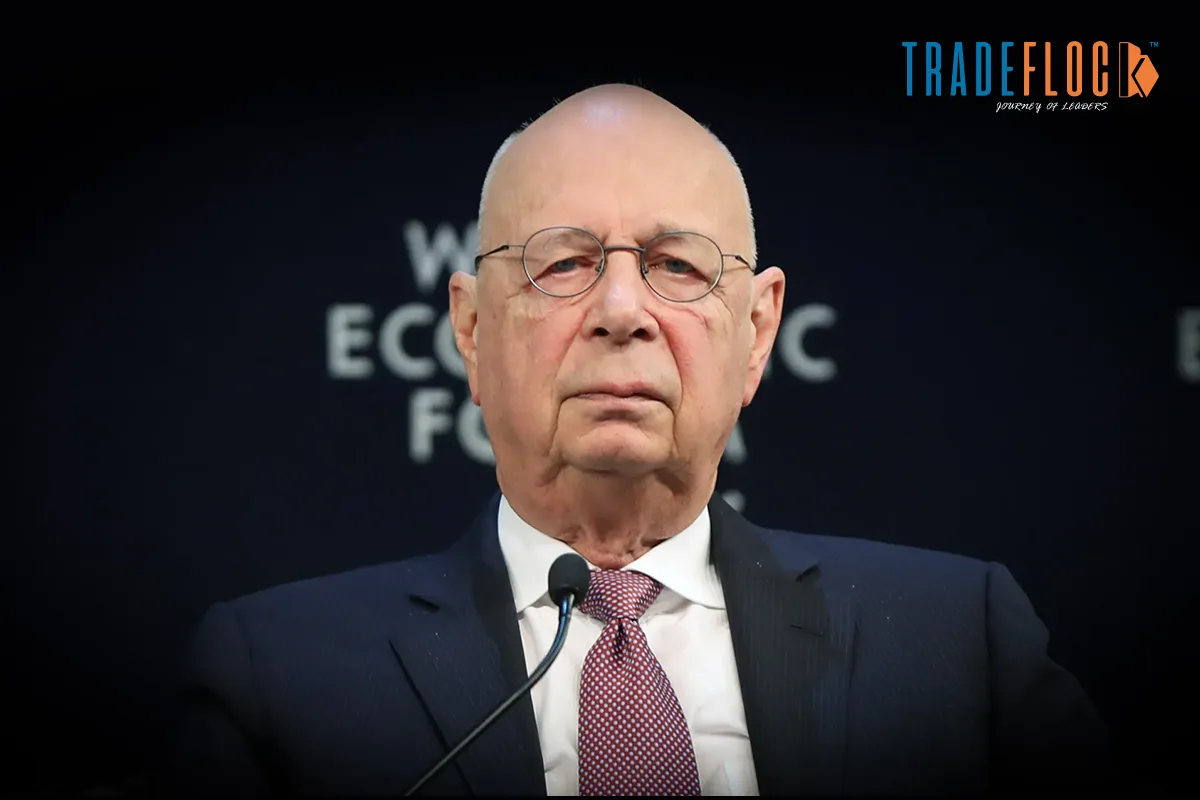
With society constantly changing, Klaus Schwab is known for reimagining the way leaders across the globe deal with economic, governance and social issues. As the Founder and Executive Chairman of the World Economic Forum (WEF), Schwab’s legacy extends beyond elite gatherings in Davos. With his vision, leaders from business, politics and civil society now talk together, promoting much-needed change.
For more than five decades, Schwab has called attention to outdated views of capitalism, leadership and international collaboration. Leaders now and in the future can learn from his important contributions to international relations.
Table of Contents
From the Beginning: Creating a Place for Discourse, Not a Gathering for Sharing Ideas
In 1971, it was the German engineer and economist Schwab who founded what came to be known as the World Economic Forum. His idea was direct: gather people in various fields and locations to discuss and share actions that could help the world.
Unlike when decisions are made by a few or industry leaders, Schwab proposed a model in which all interests — academics, governments, businesses and civil society, work together to address issues. With this method, a new way of organising a leadership forum was created: inclusive, involving multiple disciplines and global in nature.
Lesson: True leaders when they build a future also make space for others to lead.
Stakeholder Capitalism: A New Ways to Define Why Business Exists
Schwab’s most lasting philosophical contribution is his theory of stakeholder capitalism. Schwab believed that, unlike the argument made by Milton Friedman, corporations must take into account employees, customers, the community and the planet, not just shareholders.
In 2020, his book Stakeholder Capitalism matched this worldview as ESG (Environmental, Social and Governance) was growing in international importance.
Lesson: Today’s leadership requires understanding that sustainability is about both interest and action, not just interest.
Being Resolute in Your Leadership: What Great Leaders Do Globally
While leading the WEF, Schwab has turned it into the top place for public and private sectors to cooperate. Every year at Davos, leaders, business chiefs, cultural figures, inventors and scientists meet to discuss economic growth, climate, artificial intelligence and health.
This means Schwab’s appearance at Davos was guided by looking after a purpose, as opposed to ego. He played a big role in organising initiatives that encouraged nations to cooperate and address the urgent matters of poverty, threats to the environment and digital gaps.
Lesson: Great leaders don’t just decide things; they work to foster connections and encourage useful talks.
Dealing with Change in a Rapidly Disruptive Era
Schwab realised quickly that we were starting the Fourth Industrial Revolution, in which things like AI, robotics, biotech and quantum computing would shape our lives and jobs.
At the WEF, he took steps to head off such disruptions, establishing the Centre for the Fourth Industrial Revolution so new technologies benefited all groups.
Rather than be against change, Schwab welcomed it and helped important leaders adjust.
Lesson: A visionary leader should be able to predict what’s coming. Long-lasting organisations focus on adaptability, not traditional practices.
Building Thought Leadership is Part of the Corporate Heritage
Apart from organising economic summits, Schwab wrote several important books and essays such as The Fourth Industrial Revolution, COVID-19: The Great Reset and Shaping the Future of the Fourth Industrial Revolution. These studies were created to guide actions, documenting important changes happening in social, economic and ethical fields.
Thanks to his work and impact on organisations, Schwab created a legacy that remains after him.
Lesson: Leaders create lasting effects with what they do and what they inspire.
Getting Critiqued and Being Strong
People have sometimes criticised Schwab and the WEF. Many believe that the forum in Davos is elite, does too much for attention and gatekeeps participation. Nevertheless, he kept to his path, gradually updating the mission to add the views of people in developing nations, social entrepreneurs, leaders among youth and campaigners for climate action.
Instead of becoming defensive, he built platforms that offered more equity and transparency in response to the growing shift by day traders.
Lesson: People in leadership positions accept feedback, change and hold on to their strong and clear leadership.
Adopting a Focus on the Future
Schwab is renowned for teaching others about the benefits of long-term thinking. When investment outcomes and politics were the main factors in making choices, Schwab created an organisation that encouraged leaders to focus on people in the future, not just people now.
His pledge to improve the world is more than a motto, it guides all of WEF’s activities, relationships and beliefs.
Lesson: A leader’s influence will last when they aspire to make a difference outside of what’s happening now.
A History of Worldwide Consideration
Klaus Schwab did more than guide talks, he helped design and transform how leadership works in the modern world. The WEF has become a constant force for good, thanks to its creator’s skill in uniting many voices, creating new ways of thinking and institutionalising stakeholder ideas.
His message shows us that leading is about service, not power and means helping people through inspiration, communication and courage in challenging moments.
When business leaders face trust issues, unfairness and significant changes, Schwab suggests they lead everyone, consider global perspectives and stay on purpose.