
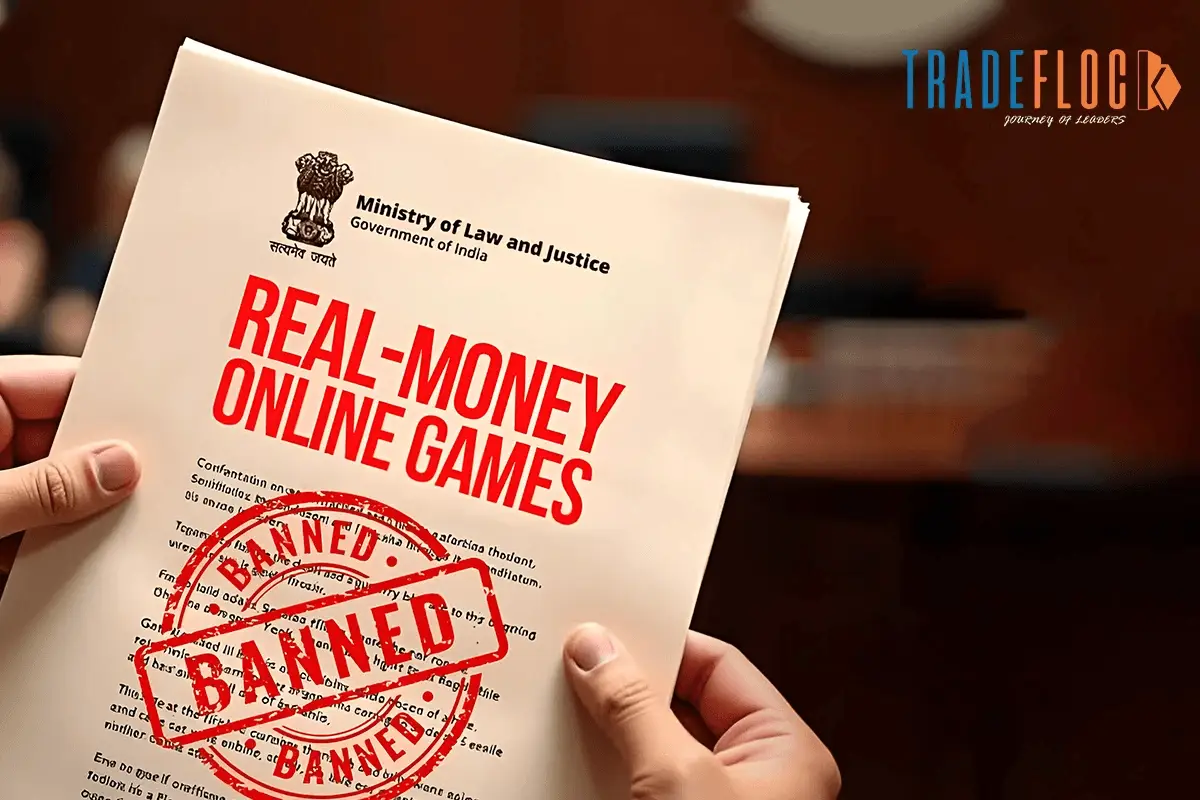
When Parliament voted on August 20 and 21 to outlaw online money games across India, it wasn’t something completely unexpected that surprised us. It was a response to a slow-burning public health problem that has reached a boiling point. The Promotion and Regulation of Online Gaming Bill, 2025, bans real-money games outright, criminalises advertising and payments that support them, and empowers the Centre to block offending platforms. Penalties are steep, including fines and even prison terms for companies and individuals who flout the law.
Supporters say the state has finally acted to stem addiction, spiralling debts and tragedy. Critics call it overreach that could drive players underground and destroy a fast-growing digital industry. Both sides have numbers and lives at stake.
Table of Contents
Debt, Shame, and No Way Out
Speak to the families affected by real-money gaming, and you hear the same pattern. A slight excitement that becomes a habit, then a compulsion. When losses mount, many people borrow from friends, then turn to salary-advance apps, and then informal lenders who become aggressive when repayments fail. A month ago in Hyderabad, a 24-year-old software engineer died after racking up online rummy losses and taking multiple app loans. His father had already cleared an earlier debt; the cycle resumed.
Tamil Nadu, one of the earliest states to push for curbs, tallied 47 suicides between 2019 and 2024 linked by police to online gambling losses. Karnataka police records show 32 suicides over 31 months since 2023 with ties to online gambling. Beyond numbers, these are breadwinners, often first-generation professionals, carried to cremation by stunned families.
In a report by the Indian Journal of Psychiatry, experts warn that gambling disorder, whether offline or online, is strongly associated with mood problems and suicide risk. Heavy financial debt itself is an independent risk factor, even after controlling for depression or anxiety. These clinical findings mirror the testimonies we hear from spouses who watched a partner sink under shame and collection calls.
Loan Sharks at the Door
Debts do not sit on a spreadsheet; they knock. India has seen an explosion of predatory digital lending apps that harvest contacts, shame borrowers and use enforcement and harassment. Regulators and platforms have begun to act. As per Google, it took action against 3,500 lending apps in 2022. The government drafted a law in 2024, proposing prison terms and fines for illegal lending and abusive recovery tactics. But enforcement is a long game, and many borrowers still fall through the cracks. Reports across states detail blackmail, public shaming, and relentless harassment, tactics that can turn a financial crisis into a mental-health emergency.
A Massive Market and Massive Losses
The Centre’s case for prohibition leans on scale. Government sources say around 45 crore Indians collectively lose ₹20,000 crore every year to real money gaming. That figure is hotly disputed by industry, but it captures the political mood. A perception that households are haemorrhaging cash while platforms profit.
As per the FICCI EY Report 2025, India had around 488 million gamers in 2024, up from 455 million in 2023. Sector revenues were estimated at around US$3.8 billion in FY24, with growth resilient even after the government imposed 28% GST on the full face value of deposits from October 2023, according to a new report by Lumikai. Official data later showed GST collections rising sharply under the uniform rate.
Fantasy sports, often portrayed as “games of skill”, are a sizable slice of that pie. Pre-ban reports claimed over 130 million Indian fantasy users and hundreds of operators, a scale visible in shirt sponsorships and prime-time ads during cricket season. The new law, however, does not spare fantasy formats; it bans all online money games regardless of skill claims.
Why Enforcing the Ban is Easier Said than Done
Passing a prohibition is one thing; making it bite is another. Factors like jurisdiction, geography, technology moats and economic displacement make it far more difficult to execute the prohibition on the ground.
Many real-money platforms operate from abroad or can relocate with a mouse click. Payment gateways, banks and app stores can be policed onshore, but crypto rails, side-loading and mirror sites are slippery. The Centre plans to block and demonetise services under the IT Act, but experience with other content bans shows an arms race of workarounds.
VPNs, offshore wallets and P2P payments will tempt migration to unregulated spaces. Even district-level VPN bans (like one recently reported in J&K’s Doda) offer only temporary friction and raise civil-liberty questions. Sustained enforcement will need precise financial gatekeeping, not broad tech blackouts.
Major platforms have already announced they will halt money-based games and pivot to free-to-play titles. But tens of thousands of moderators, coders, customer-support agents and small studio vendors depend on real-money volumes. Quick transitions are rare; unemployment and shuttered startups are real risks.
A Moral Choice Shaped by Grief
India’s ban on online money games is a moral choice shaped by grief as much as data. Policymakers cite ₹20,000 crore in annual consumer losses and a mounting suicide toll; families speak of calls from lenders and a shame that eats through paycheques, relationships, and hope. The industry, for its part, points to hundreds of millions of gamers, multi-billion-dollar revenues, tax flows, and jobs now at risk. All of it can be true at once.
What comes next will decide whether this is merely another whack-a-mole ban—or a turning point. If the Centre pairs enforcement with mental-health support, real-time payment interdictions, and a serious crackdown on predatory lending, it can reduce harm without driving a second, darker market. If not, the same games will live on behind VPNs and offshore wallets, and the phone will keep ringing in homes already on the edge.


