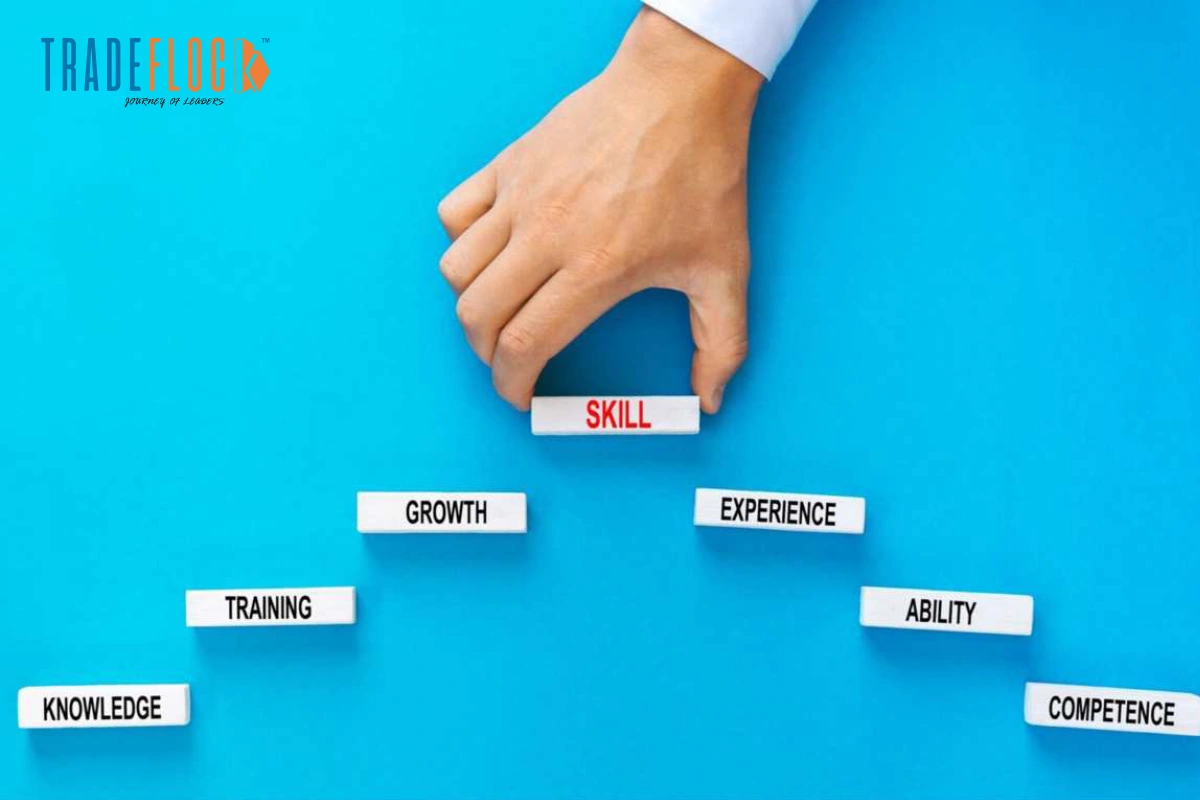
In the talent economy of 2025, resumes stuffed with Ivy League degrees are no longer your golden ticket to the C-suite—or even to a first-round interview. A quiet revolution is reshaping how companies spot potential: think GitHub portfolios over GPAs, bootcamp badges over business school diplomas. Across boardrooms and Zoom rooms alike, a powerful idea is taking root that what you can do matters more than where you learned to do it. Beyond a trend; it’s a full-scale rewiring of how opportunity is distributed, and HR is the architect. In a world obsessed with disruption, skills-first hiring is arguably the most disruptive (and human) shift of all. Welcome to the era where capability trumps pedigree and the gatekeepers are handing over the keys.
At the centre of this transformation? Human Resources. HR leaders are dismantling age-old hiring hierarchies and building pathways where talent, not titles, speaks loudest.
Table of Contents
The Fall of the Pedigree Pedestal
For decades, academic pedigree was the holy grail of hiring, Harvard over hustle, MBAs over makers. But that thinking is now no longer in fashion. According to a 2024 report from Harvard Business School and the Burning Glass Institute, job postings requiring degrees have dropped by nearly 46% in the U.S. since 2017, particularly in middle-skill roles. The data shows that companies who remove degree requirements experience faster hiring cycles, greater retention, and improved workforce diversity.
As PwC’s 2024 Global Workforce Hopes and Fears Survey reveals, 75% of workers feel confident they can acquire the skills they need without going back to school. That’s a profound mindset shift—and it has enormous implications for talent acquisition.
HR: The Architects of Skills-First Future
Its HR teams who are turning this philosophy into reality. They’re rewriting job descriptions, retraining recruiters, and reengineering performance management systems to prioritise what candidates can do, not just what they’ve studied.
Take IBM. The tech behemoth famously removed bachelor’s degree requirements for more than 50% of its job listings, focusing instead on “new collar” talent—individuals trained through bootcamps, online platforms, or community colleges. The result? A more agile, diverse, and skilled workforce, according to Nickle LaMoreaux, IBM’s Chief HR Officer.
Similarly, Google’s Career Certificates Program, now in partnership with over 150 employers globally, enables candidates to upskill in fields such as data analytics and UX design—no degree required. Internal data shows certificate graduates are twice as likely to be hired compared to degree-holders alone.
Market Success: Why Does It Work?
This approach is equitable and effective. According to a 2024 McKinsey Global Institute study, companies that embrace skills-first models are 63% more likely to outperform peers in innovation and 44% more likely to have higher employee engagement scores.
Cisco Systems, through its OneTen initiatives, is focused on hiring 1 million Black Americans without a four-year degree into family sustaining careers. Not only does this drive inclusivity, but it also plugs vital skills gaps.
And in India, Wipro and Infosys have partnered with digital learning platforms to recruit based on practical assessments rather than academic transcripts. The outcome? Reduced attrition, better performance and improved employer branding.
Skill Signals Are the New Degrees
To make this model scalable, HR is leveraging technology to validate skills in real-time. AI-powered tools now simulate on-the-job tasks in candidate assessments—whether it’s writing SQL queries, troubleshooting customer scenarios, or managing a virtual team.
Platforms like HackerRank, Codility, and Vervoe are becoming as crucial as résumés. LinkedIn’s Skills Assessments and GitHub contributions are more telling than a GPA, especially in the digital economy.
Meanwhile, certifications from platforms like Coursera, edX, and Udacity are becoming mainstream indicators of readiness. A Bain & Company 2024 Talent Study noted that 58% of hiring managers believe micro-credentials now carry “equal or greater weight” than a bachelor’s degree.
Challenges? Of Course. But the Risk of Not Adapting is Greater.
Adopting a skills-first model isn’t without hurdles. Companies need robust upskilling infrastructure, bias-aware tools, and leadership buy-in. Some hiring managers still cling to outdated assumptions about pedigree. And measurement? It’s still evolving.
But the alternative—clinging to credentialism—is riskier. It narrows your talent pipeline, reinforces inequality, and overlooks high-potential people who are more than capable of driving results.
The Future Doesn’t Wear a Cap and Gown
The era of “degree = destiny” is fading. In its place, we are witnessing the rise of dynamic, democratised, and deeply human hiring. The skill-first movement isn’t a trend; it’s the talent revolution HR was born to lead. As the business world gets flatter, faster, and more digital, the companies that will win won’t be the ones with the fanciest diplomas. They’ll be the ones who can spot brilliance in unexpected places, empower it, and scale it. At the heart of that future lies HR.


