A biotech campus in Pune hides a building that manages some of the biggest driven efforts in world public health. Serum Institute of India (SII). Turning from a small operation in 1966 to the largest producer of vaccines around the globe, SII’s story illustrates a drive for greatness, an eye for low-cost solutions, and a constant attention to accessibility.
Because it can produce over 1.5 billion doses a year, Serum Institute of India is not only a major manufacturing firm, it is a foundation of vaccine equity for countries in the Global South. It creates and supplies people with immunizations for diseases, including measles, tetanus, cervical cancer, and COVID-19. Each year, Unicef vaccinates two out of every three kids around the globe in more than 170 nations.
However, what led a small family business to reach the heights it did in vaccines?
Table of Contents
The Road of a Veterinarian to Business Tycoon
The idea for the Serum Institute came from Dr. Cyrus Poonawalla, a veterinary doctor, when he recognised there was a need for human vaccines in India, since almost all were being imported from overseas at exorbitant costs. Initially, SII made anti-tetanus serum and vaccines for the domestic market, employing only a few people and relying on minimal resources.
The idea behind it was basic, yet very powerful. “Access to proper health care should be available to everyone.”
In the 1970s and ’80s, SII continuously increased its operations and provided vaccines for diphtheria, measles, and BCG. It was important to cut production expenses while still adhering to the quality standards established by the World Health Organisation. Thanks to this plan, SII managed to offer low prices and reach an agreement with leading health organisations UNICEF, Gavi, and the WHO.
Scaling Up: Quality Meets Quantity
While other pharmaceutical companies focused on development, SII chose to invest heavily in producing vaccines on a large scale. Making it a priority to produce more vaccines allowed it to sharply reduce the amount spent per dose. The strategy made SII vital for developing countries and built huge industrial economies.
The company’s achievements over the years are largely thanks to Adar Poonawalla, who became CEO in 2011. His leadership led to more modernised operations, new opportunities in research, and the pursuit of partnerships worldwide with pharma companies and public health agencies.
As a result, SII is now the world’s foremost producer of the MMR vaccine and one of the major suppliers of vaccines for meningitis and pneumococcal diseases. Unlike in the West, affordable prices for its vaccines did not affect their quality or safety.
The COVID-19 Test: Global Fame and Controversy
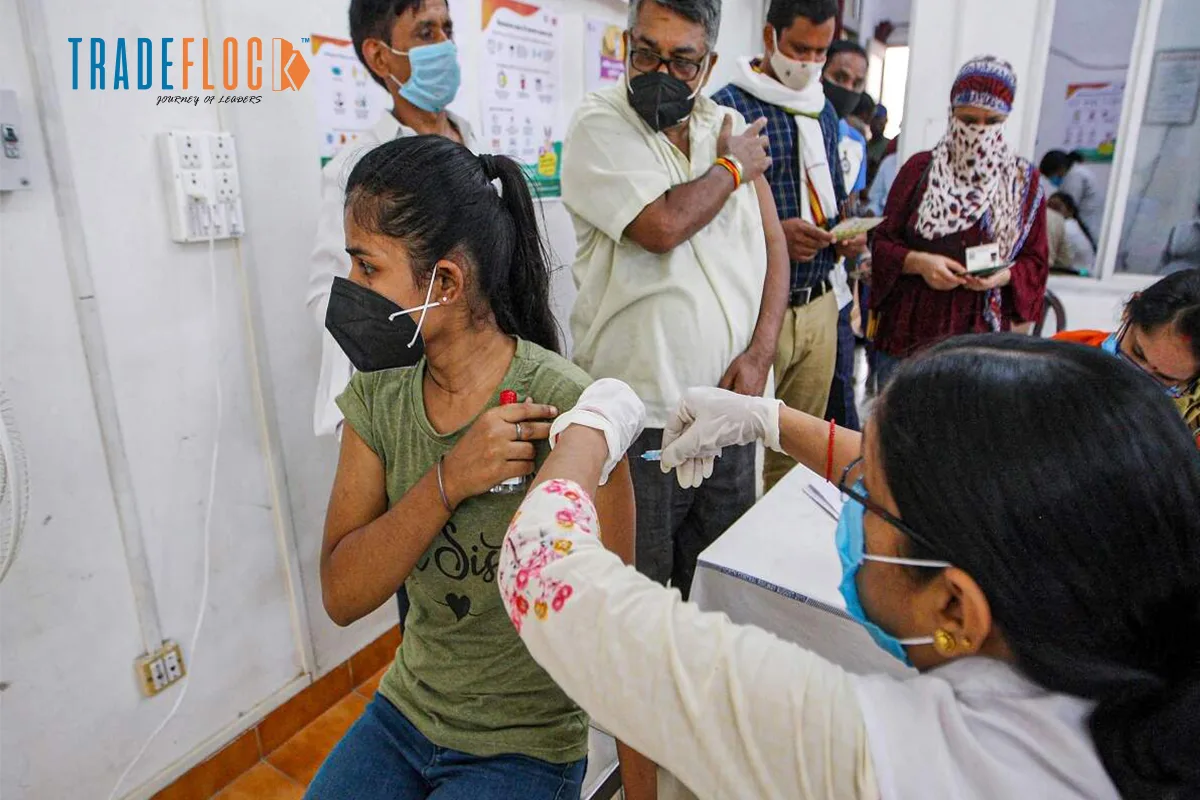
The Serum Institute became well-known around the world due to the pandemic. The partnership between AstraZeneca, Oxford University, and SII manufactured the Covishield vaccine, which helped India and a variety of underprivileged countries and was the mainstay of India’s vaccination programme.
At the height of the pandemic, SII was producing 250 million doses of vaccine per month, which made it a leading supplier of COVID-19 vaccines worldwide. Serum Institute was the biggest provider to COVAX, sending vaccines to more than 90 countries.
But the road wasn’t smooth. Facing a major second wave in 2021, the Indian government chose to halt the export of vaccines to focus on its people. As a result, countries around the world expressed concerns about vaccine nationalism and reliance on only one production site.
Regardless of the criticism, SII continued exporting vaccines by the end of that year and proved it could still supply vaccines to the world.
The Role of Research and Development in the Development of Biotechnology in India
While Serum Institute focuses on mass vaccination, its growth will come from research and invention of new technology. Moderna focuses on developing new technologies, like mRNA vaccines, monoclonal antibodies, and therapeutics.
By buying Bilthoven Biologicals and partnering with Novavax, the company has shifted from a contract drug maker to a biotech company that invents drugs itself.
The institute is advancing with its own vaccine development programmes for diseases such as dengue, malaria, and cancer. Adar Poonawalla stresses that the company’s plan will rely on advanced R&D and still keep the same focus on affordability.
Challenges on the Horizon
Even though SII is dominant, it encounters major challenges. Now, China and Africa are strengthening their local vaccine production, which is creating more competition in the vaccine market. In addition, securing intellectual property, getting product approvals, and managing the cold supply chain remain major obstacles in developing countries.
Dealing with reputation management is also important for the company, particularly after it came under fire for exporting vaccines and setting prices.
According to history, the Serum Institute is well-equipped and connected to overcome these difficulties.
A Leader in Vaccines with a Focus on Helping Society
Serum Institute’s story is not only about making profits; it also shows how it has affected the health of many people around the world. Through quality-tested and affordable vaccines, SII has changed how the global pharmaceutical industry functions.
As health inequities, diseases caused by climate change, and the possibility of more pandemics remain a problem, Serum Institute of India’s work is more essential than ever. Whether through innovation or outreach, the empire built in Pune is poised to remain a lifesaver for millions and a beacon of how business and humanity can coexist.