
Viral marketing has been seen as a marketing dream for a long time. One TikTok meme-worthy initiative or influencer partnership could send a brand to overnight stardom. However, as the digital ecosystem matures, consumers and companies are realizing that virality rarely translates into sustainable growth. Today, the guiding principle for brand leaders is equity, the development of credibility, authenticity, and loyalty that goes beyond the fleeting opportunities created by algorithms in social media feeds.
Table of Contents
From Reach to Resource
The early internet era of virality was an indicator of validation. A sharp increase in the number of views, likes, or shares was viewed as the crown jewel of cultural relevance. However, according to research conducted by Nielsen, the short-term advertisement campaigns that are only optimized based on reach do not make a conversion into long-term brand recall. In comparison, those investing in regular storytelling and customer-driven communication will yield extremely high retention and repeat paying customers.
See, as Marc Pritchard, the Chief Brand Officer of Procter and Gamble, notes, it is not about the eyeballs anymore: It is all about building a long-term relationship. We are establishing confidence, since confidence is what is going to spur brand selection in the long run.”
The Pitfall of Virality
Viral campaigns can effectively raise awareness, but without substance, they rarely result in genuine engagement with the customer. The infamous case of the Pepsi 2017 ad featuring Kendall Jenner illustrates such a risk. Although it garnered a massive number of impressions, the campaign ultimately backfired, especially by harming the credibility of social movements.
Virality also tends to be short-lived and attracts non-core audiences, who do not become loyal customers as well. This may lead to a false sense of growth for start-ups, especially when they spend a lot on marketing with little or no increase in brand equity.
The New Playbook: Equity Over Hype
Thoughtful leaders are shifting focus from chasing virality to building equity through brand values, customer experience, and authenticity.
Whitney Wolfe Herd, Bumble’s founder, has built a brand around women-centric empowerment. Instead of following online buzz, Bumble campaigns uphold the company’s values: promoting safe, inclusive, and respectful relationships. This equity has helped Bumble compete and retain loyal users.
Jeff Bezos, Amazon’s founder, said, “Your brand is what people say about you when you are not in the room.” Amazon’s brand is rooted in reliability and customer obsession, qualities maintained through consistency, not virality. Amazon’s success in Prime delivery, customer service, and product range results from strong brand equity, not a single campaign.
Case Studies in Long-Term Brand Building
1. Nike
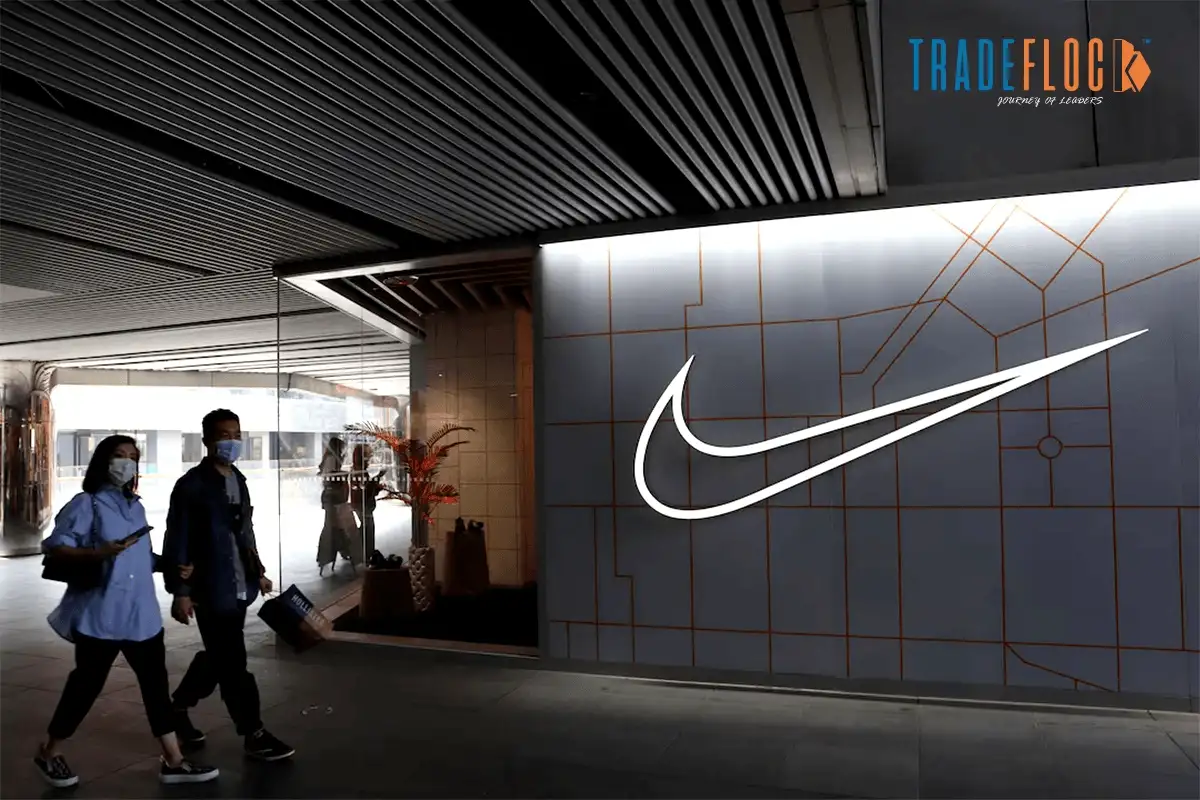
Nike prioritises long-term equity over trends by aligning with cultural themes like athleticism, social justice, and inspiration. Its sponsorships of icons like Serena Williams and campaigns with Colin Kaepernick, such as Dream Crazy, reflect brand ideals beyond products. Though initially controversial, Nike’s bold stance strengthened its loyal customer base and boosted brand equity.
2. Patagonia
Environmental stewardship has earned Patagonia trust under CEO Rose Marcario and founder Yvon Chouinard by promoting sustainability, like encouraging consumers to buy less and repair more. These actions fostered strong loyalty among eco-conscious customers.
3. Unilever
Under Alan Jope, Unilever shifted from short-term marketing peaks to investing in value-based brands like Dove and Ben & Jerry. Dove’s (Real Beauty) authenticity campaign, running for over two decades, has expanded into new contexts by continuously activating consumer values in the digital age.
Why Equity Resonates in the Post-Pandemic Era
Following the COVID pandemic, people have become less trusting of performative branding. The Edelman Trust Barometer shows that 81 percent of consumers need to trust a brand before making a purchase. The issue with virality is not that it is based on trust, but that trust is earned through a consistent record of purposeful, empathetic, and valuable actions.
This shift was highlighted by leaders like Indra Nooyi, the former PepsiCo CEO: “Customers are interested in what a brand is, rather than what it sells.” This long-term goal of implementing a Performance with Purpose strategy demonstrated that integrating sustainability and health consciousness into the PepsiCo portfolio built stronger, more stable brand equity than chasing after the flavor of the year campaigns.
The Quiet Power of Equity
Viral potentials can still attract fleeting attention, but they are no longer indicators of brand success. The true measure of long-term resilience is equity, which is built through trust, consistency, and authenticity. Whether it’s Nike and Patagonia or Amazon and Bumble, male and female leaders alike are emphasizing that a brand’s value should be based on credibility, not just on clicks.
The brands that will endure are those that invest in values and build the equity that compounds over the years, rather than chasing virality.