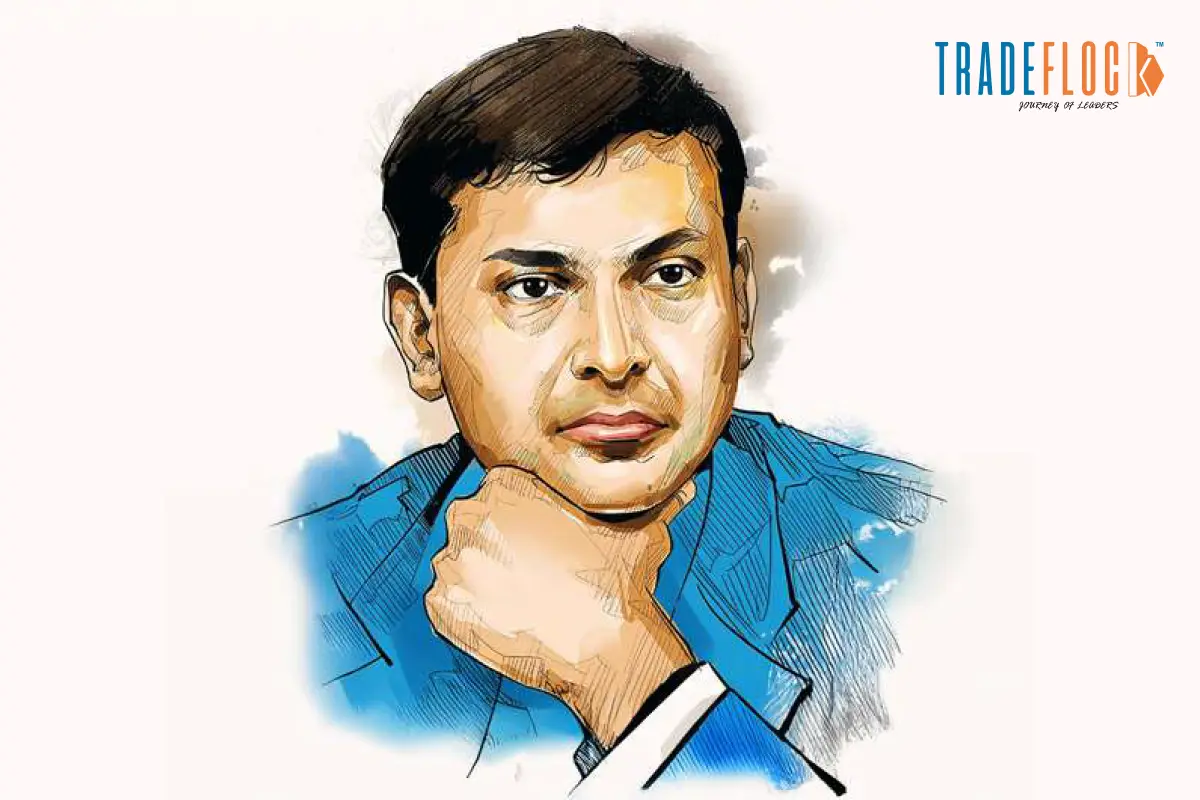
By the time Raghuram Rajan became the 23rd Governor of the Reserve Bank of India (RBI) in September 2013, the India economy was in dire need. Inflation was around 9-10%, the rupee had fallen drastically during the taper tantrum, investor confidence was weak, and India was being branded as on the fragile five list of emerging economies.
Three years on, inflation had been reduced by almost half, foreign exchange reserves had increased by more than 60 billion, and India was considered one of the most stable large economies in the world. Rajan did not pursue popularity; he preferred credibility.
His leadership is a lesson that can be applied by policymakers, CEOs, founders, and institutional leaders in the face of present-day uncertainty.
Table of Contents
Be a Leader, Lead with the Truth, It is Comfortable
Rajan is also probably known for saying what others would not. He cautioned at the Jackson Hole conference well before the 2008 global financial crisis that overindulgence in financial market risks would lead to a meltdown. The warning was unpopular in the past and was ignored, but it was prophetic.
This trend was maintained as the governor of the RBI. Rajan preferred honesty to optics, whether flagellating the stressed balance sheets of banks or pointing to the structural vulnerability of the India economy.
Lesson: Intellectual honesty is the starting point of leadership. Evading difficult reality can bring temporary applause, but it undermines trust in the long term.
The greatest Strength of a Leader is Independence
Institutional independence was one of Rajan’s characteristics. Although the political pressure was to reduce interest rates at all costs, he insisted on keeping inflation at check and said that the only way to achieve sustainable growth was to ensure price stability.
The outcomes were palpable. Inflation in consumer prices dropped to approximately 5% in 2016, after it had hit approximately 9.5% in 2013, which has reinstated households’ buying power and investor confidence.
Lesson: Independence is not disobedience; it is accountability. Leaders should guard the mission and not yield to expediency. The leaders are able to resist outside forces when the decisions we make are anchored in data and are mandatory.
Fix the Systems, not the Headlines
The Rajan administration will be remembered as one that undertook profound structural reforms, and not boastful proclamations. He made Indian banks acknowledge bad loans by conducting asset quality reviews, exposing latent stress.
This reduced the growth rate of short-term credit at the time and was criticised. However, as of 2018, the banking clean-up in India had laid the groundwork for healthier lending and stronger capital buffers.
RBI data showed that stressed assets, which had been understated and misclassified previously, were officially recognised, and reform and recapitalisation commenced.
Lesson: Sustainable leadership is not about short-term appearances but long-term health. It is through naming, measuring and addressing problems that systems become better.
Composure is a Competitive advantage in a Crisis
The 2013 currency crisis would have easily gone out of control. Rajan instead stabilised markets through a combination of effective communication, targeted liquidity measures, and reforms to reassure foreign investors.
The increase in foreign exchange reserves between 2013 and 2016 was approximately $275 billion, more than $ 360 billion, and India is one of the most robust emerging markets in terms of external buffers. It was no panicking, no melodramatic rescue, it was simply a procedure.
Lesson: Leadership can be a strategic asset in a volatile situation. Quiet competence often results in stability, rather than loud intervention.
Local Leadership is Strengthened with a Global Perspective
Rajan, who was a chief economist at the IMF and a professor at the University of Chicago, helped the central bank of India see the world in a global perspective without losing touch with the realities at home.
He also adjusted the monetary system of India to the international best practices, such as formalizing an inflation-targeting regime, but adjusted it to the conditions in India..
This balance not only appeased international investors but also enhanced credibility of domestic policy.
Lesson: The most effective leaders are those who think big and make decisions on the ground. A combination of both global and local context and humility improves leadership.
It is More about the institution than about Individuals
Rajan kept stressing that the RBI was strong because of its people and processes, not the personality of the governor. He invested in research capacity, promoted free discussion within the central bank, and empowered younger economists.
Most of these structures, particularly inflation targeting and banking regulation, continue to be at the core of the macroeconomic stability of India even after his departure.
Lesson: Good leaders create institutions that go beyond them. Legacy is not gauged by how long you have worked, but by what remains working even after you have gone.
Learn to Accept When to Say No
Rajan declined to run for a second term in 2016, amid speculation on his renewal by the community. Rather than hanging on to the office, he returned to academia, which sent a strong message that leadership is service-based, not performance-based.
Lessons: Knowing when to step aside is also a leadership skill. Real power is not based on positions; it is a matter of principles.
A Tradition of Trustworthiness
The legacy of Raghuram Rajan is not based on charisma and populism. It is based on credibility, bravery and clarity of thinking. In an era when leadership is more show than substance, Rajan reminds us that substance still prevails.
It is possible to be tough without being loud, to be independent without being isolated, and to be global without loss of national purpose, as he demonstrated.
The moral of the story here is that leadership is not liking. It is concerning to do what is right and be trusted. In a world that feasts on fast results and easy stories, Raghuram Rajan is an unsung yet mighty voice: principled leadership is not a thing of the past but an essential part of it.