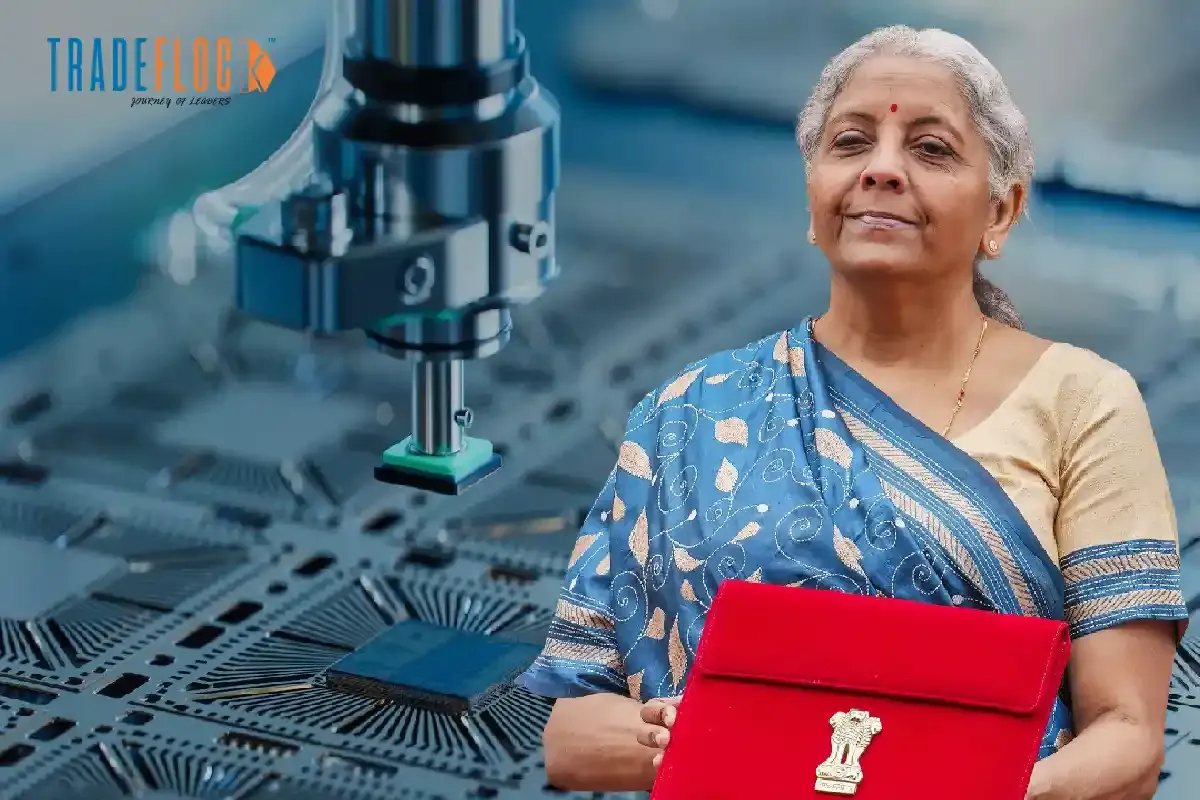
The Finance Minister launched the India Semiconductor Mission 2.0. This mission aims to strengthen local capabilities in the semiconductor, chemicals, and gases market, which is projected to reach about $400 billion by 2030, according to the India Electronics and Semiconductor Association (IESA) and SEMI India.
Lately, capital expenditure and investment in specialised equipment are shifting toward high-bandwidth memory and advanced DRAM for AI training and affiliated tasks. This shift is pushing manufacturers worldwide to increase production, as growing demand for AI has created a deficit. Experts say that this presents India with a unique opportunity to develop a sustainable AI and chip manufacturing ecosystem. India can encourage global companies to increase imports from Indian small and medium-sized enterprises( MSMEs) and make strong domestic companies over the long term.
Raja Manickam, the author and CEO of iVP Semi, has extensive industry experience. He believes that in the early stages, incentive plans should encourage global companies to buy further products from India. “ The demand for new wafer fabs is extremely high because of AI, ” he said.
Also Read: India-Germany on the Verge of Signing Submarine Deal
Sanjay Kumar, VP at AT Kearney and former director at the US Department of Commerce, CHIPS Program Office, says, “ It could be the right time for India, as the demand and lead times for chip output are longer, but only if AI demands hold up. ”