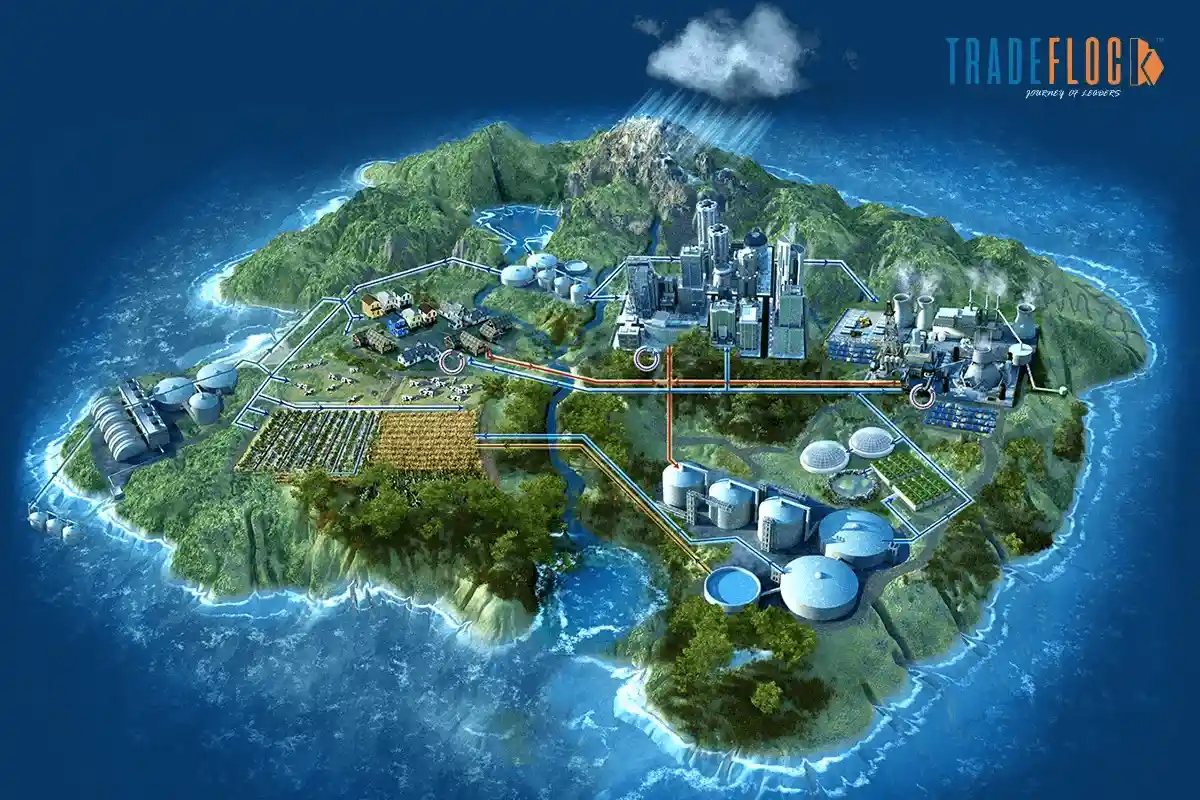
Water is one of the most limited and precious sources of life, yet it is becoming increasingly scarce by each day. With the population growth, climate change, and excessive use, conserving water is no longer optional but a basic necessity. Scary, right, but not completely impossible to restore.
You don’t need huge budgets or complex systems to make a difference; just invest in something simple and sustainable. This is none other than the Water Conservation Model, which is an easy yet surprisingly effective way to save your planet. But if you are a student preparing for a school project or simply want to understand the practical concept behind it. You have just landed on the right page, as this is the go-to guide that will walk you through the entire process simply and practically.
Let’s explore together what “Water Conservation Model” means, why it matters, and how you can build one at home or for a school project.
Table of Contents
What is a Water Conservation Model?
It is a visual representation designed to showcase how water can be collected, saved, recycled, or used efficiently on a daily basis. This simple sustainable model usually ranges from trending DIY setups, such as rainwater harvesting bottles, to advanced systems used in cities and industries by the government.
But generally, this is a popular model commonly and conveniently used in schools, exhibitions, and awareness programs to understand and explain conservation techniques.
The Water Conservation Model is mainly demonstrated in two ways:
- Working models – These highlight the actual movement or flow of water.
- Static System – A non-moving which visually explains the concept, with any movements
In the end, the goal of both is to conserve the water instead of letting even a single drop go to waste. Hence, water conservation models are made for complex environmental concepts which are relatable to real-life water-saving techniques.
Why Water Conservation Matters More in 2026?
The water conservation model has quickly turned into a need-of-the-hour practice. This is no longer about maintaining ecological balance and ensuring future sustainability. Right now, the water shortage is affecting many countries, especially India, which is already facing shortages during the summer.
- Limited freshwater supply: Only 3% of Earth’s water is usable, and the rest is locked in glaciers.
- Rising demand: Population growth has surprisingly increased water consumption.
- Climate change: Irregular rainfall is another cause of water unavailability.
- Agricultural dependency: A farmer relying heavily on water resources for irrigation.
These are the general challenges that can be solved through a systematic Water Conservation Model. These help students connect theory with real-world issues, which will later develop a more responsible mindset toward water usage. Water saving is not just for the current population, but has a lasting impact on the coming generations.
Popular Types of Water Conservation Models
Below is a list of some of the most effective and commonly used water systems, with their own unique benefits
1. Rainwater Harvesting Model
This one is the most popular and highly impactful Water Conservation Model idea. The model can be replicated through simple, easy steps and widely used in homes and buildings to reduce and avoid wastage.
How it works:
- Start with Rainwater collection from rooftops.
- It flows through pipes into storage tanks or underground pits for later usage.
- The stored water can be reused or allowed to recharge the groundwater.
Why it’s great:
- Requires natural rainfall.
- Reduces any dependence on groundwater.
- Easy to set up in homes, schools, and buildings.
2. Drip Irrigation Model
This Water Conservation Model is perfect for agriculture or gardening and minimises any wastage. This system is highly efficient compared to traditional watering practices that were used in the early days.
How it works:
- Water is delivered slowly yet directly to plant roots through pipes or drip lines.
- Minimises evaporation and runoff to avoid any sort of water spillage
Why it’s great:
- It uses up to 50–70% less water than any traditional methods out there.
- A great method to help plants grow better is by providing the exact amount of watering.
3. Household Water Recycling Model
This Water Conservation Model focuses on reusing the cleaning water to avoid letting a single drop go to waste.
How it works:
- Greywater from sinks, washing machines, etc, is first conserved
- Impurities from the water are removed through filtration
- Clean water is then repurposed for gardening or flushing toilets
Why it’s great:
- Can be built easily for your school projects.
- It demonstrates how water can be reused safely.
4. Dam and Reservoir Model
This Water Conservation Model is generally used in smart cities to detect leaks or overuse. It highlights the importance of storing water during rainy seasons for future use.
How it works:
- Highlights how water can first be stored in large reservoirs
- Next, it showcases how water is released when needed through this model
Why it’s great:
- It prevents wastage in large systems or reservoirs
- An efficient way to optimise water flow and storage
In short, these models not only explain a concept but also reflect real-life solutions used across the world.
Easy DIY Water Conservation Model (For School or Home)
Want to try one yourself? Here’s a simple and fun method to create a mini rainwater harvesting model.
You will need:
- Cardboard or thermocol base
- Plastic bottle (tank)
- Straws or pipes
- Glue and tape
- Blue-colored water (for effect)
- Cutter and markers
Your Step-by-Step Process:
- Create the base: Use cardboard to design a small house structure.
- Set up the roof: Tilt it slightly to allow water to flow.
- Attach pipes: Fix straws or pipes from the roof to the bottle tank.
- Place the storage tank: Use a plastic bottle as a water tank to collect water.
- Demonstrate the flow: Pour coloured water onto the roof and watch it collect in the tank.
Pro-Tips to Make Your Model Stand Out:
- Add labels and arrows to explain each part clearly
- Use colour coding to differentiate water flow
- Include moving elements for better demonstration
- Prepare a short explanation script for presentation
- Keep the model neat and visually appealing
A well-built water conservation model not only looks good but also demonstrates the concept more effectively. The result will be a Water Conservation Model that is simple and visually appealing. Yet it perfectly explains how rainwater can be harvested and reused effectively.
Real-Life Examples of Water Conservation
It is not just a theoretical concept, but it is actively practised worldwide. Some real-world examples include:
- Chennai, India: Mandatory rainwater harvesting in buildings has helped restore groundwater levels.
- Israel: Uses advanced drip irrigation to grow crops in dry conditions.
- Singapore: Recycles wastewater into high-quality drinking water using advanced filtration.
Pro-Tip: You make your project more impactful and informative by linking your Water Conservation Model to these real-world examples
Conclusion
A Water Conservation Model is more than just a school project; it is a step toward understanding one of the most pressing global issues. By creating and presenting such models, students not only learn practical solutions but also contribute to spreading awareness. Small actions, like conserving water at home or understanding its importance, can lead to a big impact over time. As future decision-makers, it’s important to adopt sustainable habits today. And sometimes, it all starts with a simple Water Conservation Model that teaches a powerful lesson. For more such informational guides, subscribe to our TradeFlock Magazine today.