Electrical faults are one of the leading causes of house fires in Australia — yet most homeowners never think about their electrical system until something goes wrong. The good news is that a few simple checks each year can dramatically reduce the risk of electrical hazards, keep your family safe, and potentially save you thousands in repair costs down the track.
Whether you’re in an older Queensland home or a brand-new build, these are the seven electrical safety checks every Australian homeowner should be doing — and when to call in a licensed electrician.
Table of Contents
1. Test Your Safety Switches (RCDs)
Residual Current Devices (RCDs), commonly called safety switches, are designed to cut power in milliseconds if a fault is detected — potentially saving your life. Australian regulations require them in all new homes, but many older properties are still not fully protected.
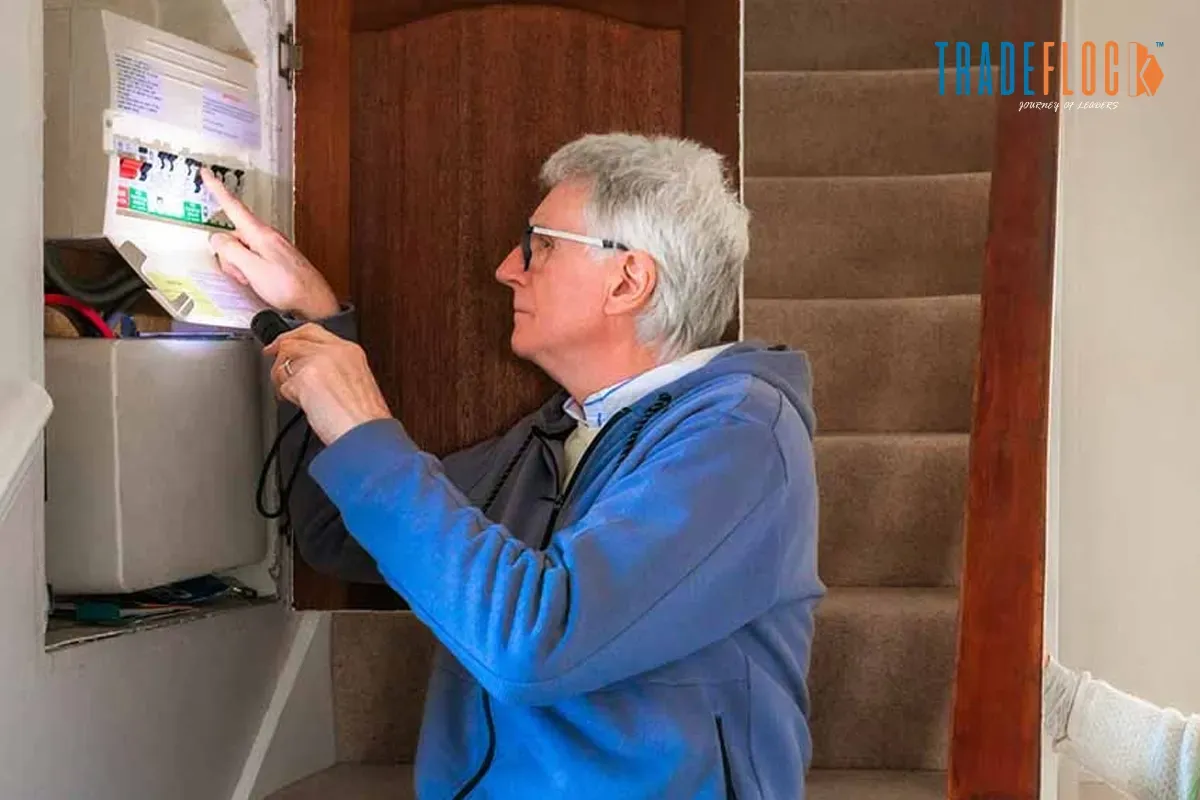
What to do: Press the ‘Test’ button on each safety switch in your switchboard. The switch should immediately trip to the off position. If it doesn’t respond, or if you don’t have safety switches installed at all, contact a licensed electrician immediately.
How often: Test every three months, and after any major storm or flooding event.
2. Inspect Power Points and Light Switches
Cracked, discoloured, or warm power points and switches are warning signs that should never be ignored. Discolouration often indicates heat damage from arcing or overloading — both serious fire risks.
Look out for:
- Scorch marks or discolouration around power points
- Switches or outlets that feel warm to the touch
- Flickering or buzzing when devices are plugged in
- Power points that have stopped working entirely
- Loose-fitting plugs that fall out easily
Never attempt to repair power points yourself — this is licensed electrician territory under Australian law.
3. Check Your Switchboard
Your switchboard is the heart of your home’s electrical system. Older homes — particularly those built before the 1980s — may still have ceramic fuses or asbestos-lined switchboards that are well past their use-by date.
Signs your switchboard needs attention:
- Fuses that blow regularly or circuit breakers that trip frequently
- A burning smell coming from the switchboard
- Visible rust, corrosion, or moisture inside the panel
- No safety switches (RCDs) installed
- The board feels warm when you touch it
A switchboard upgrade is one of the best investments an older-home owner can make — it improves safety, supports modern appliance loads, and can even reduce your insurance premiums.
4. Don’t Overload Power Boards and Outlets
With more devices in our homes than ever before — TVs, gaming consoles, EV chargers, air conditioners — overloaded power boards have become a major cause of electrical fires in Australian homes.
Simple rules to follow:
- Never “daisy chain” power boards (plugging one into another)
- Avoid using high-draw appliances (heaters, kettles) on extension cords
- Replace any power boards that feel warm or show signs of heat damage
- Consider having additional power points installed if you regularly rely on power boards
5. Inspect Cords and Cables
Damaged power cords are a leading cause of electrical shock and fires. In Queensland’s warm climate, UV exposure and heat can accelerate cable degradation — particularly for outdoor appliances and extension cords.
What to check:
- Fraying, cracking, or exposed wiring on appliance cords
- Cords that are pinched under furniture or in doorways
- Extension cords used as permanent wiring solutions
- Outdoor cords left in direct sunlight or exposed to the elements
- Any cords that have been repaired with tape
If a cord is damaged, replace the appliance or have the cord professionally repaired. Never use electrical tape as a permanent fix.
6. Check Outdoor and Wet Area Electrical Installations
Australia’s outdoor lifestyle means many homes have significant electrical infrastructure outside — pool pumps, garden lighting, outdoor entertaining areas, and more. These installations face unique hazards from moisture, UV, and insects.
Annual checks for outdoor areas:
- Inspect weatherproof covers on outdoor power points — replace if cracked or missing
- Check that outdoor lighting fixtures are rated for exterior use
- Look for signs of water ingress around any outdoor electrical boxes
- Have pool and spa electrical equipment inspected by a licensed electrician annually
- Ensure bathroom and laundry power points have safety switches
7. Schedule a Professional Electrical Inspection
While the checks above are things any homeowner can do, nothing replaces a thorough inspection by a licensed electrician. Australian standards recommend a full electrical inspection every five years for most homes — or sooner if you’re buying a property, planning a renovation, or living in an older home.
A professional inspection will cover:
- Full switchboard assessment and upgrade recommendations
- Testing of all circuits and safety switches
- Identification of any non-compliant wiring
- Thermal imaging to detect hot spots invisible to the naked eye
- Assessment of earthing and bonding
- Advice on energy efficiency upgrades
Final Thoughts
Electrical safety isn’t something to leave to chance. A few simple checks each year — and a professional inspection every five years — can protect your family, your home, and your wallet. The cost of prevention is always far less than the cost of an electrical fire or a serious fault.
If you’re in Brisbane or South East Queensland and you’re due for an electrical inspection, a switchboard upgrade, or you just want peace of mind, the team at Fused Air are licensed, local, and ready to help. We work with homeowners and businesses across Brisbane to keep their electrical systems safe, compliant, and efficient.