
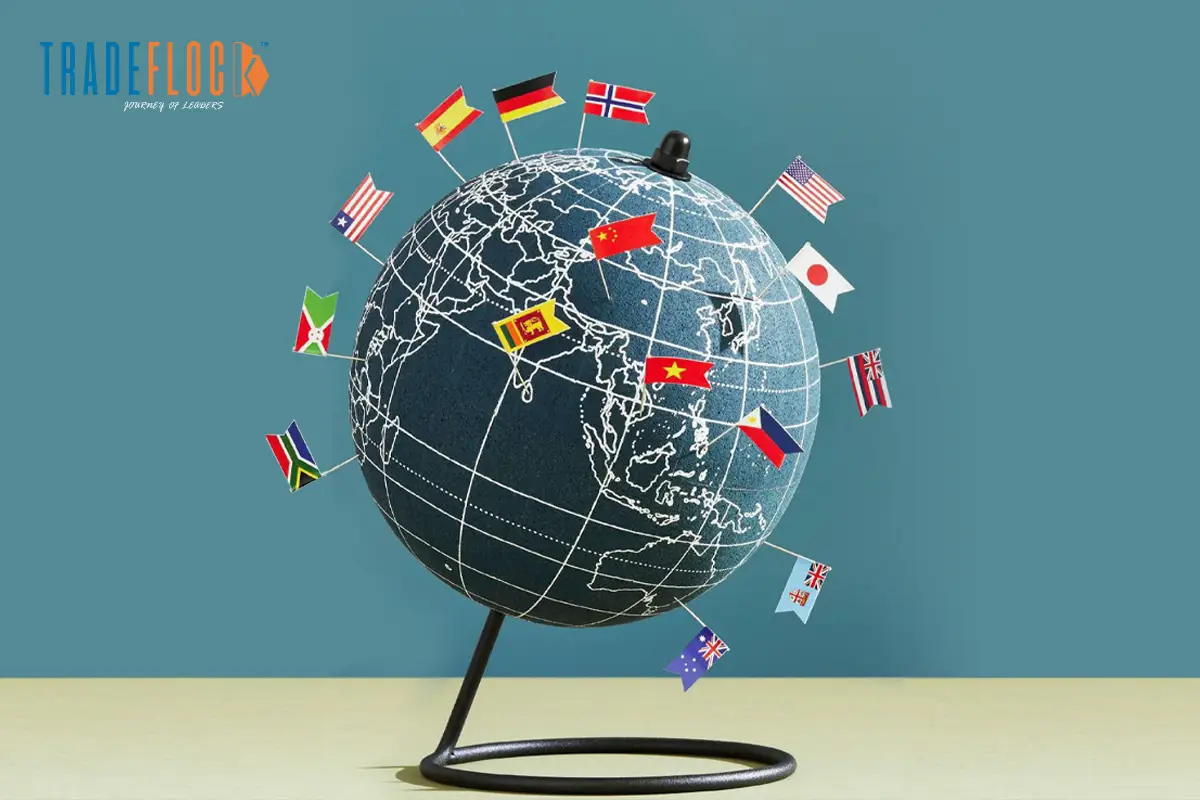
The classical model of export-based development of manufacturing that helped nations like China to become middle-income is encountering growing backlash due to protectionist policies of the developed economies. This increased protectionism poses a big challenge to India in as far as its export competitiveness, supply chains as well as foreign investments are concerned. Aatmanirbhar Bharat is a step towards this by India.
Aatmanirbhar Bharat seeks to establish a balance between the self-reliance and global competitiveness. India can successfully negotiate the challenges of a protectionist global environment by adopting selective liberalisation, enhancing trade relationships, and consolidating infrastructure as well as creating resilience in the critical sectors.
Table of Contents
Why the World Turns Inward?
In developed countries, the development of economic nationalism is connected with the loss of manufacturing jobs and increasing inequality. The U.S. Inflation Reduction Act of 2022 and the EU Critical Raw Materials Act of 2023 are a few policies that encourage local production by subsidizing and restricting trade. The strategic decoupling has been enhanced by geopolitical tensions especially between the US and China, especially in the sensitive areas like semiconductors.
The COVID-19 pandemic has exposed vulnerabilities in the global supply chains with WTO reporting a decline of 5.3 percent in global trade in 2020, as countries increasingly looked at domestic production of important goods.
The climate objectives have been harmonised with trade protections under environmental policies, such as the Carbon Border Adjustment Mechanism (CBAM) of the EU, and digital protectionism is expanding with data localisation measures and technology-regulating policies.
What is the Implication of this to India?
India has a more limited economic future with the increasing protectionist policies in other economies impacting its export industries such as textiles, steel and clean energy. Exports of merchandise decreased by almost 5 percent to $432 billion. The new CBAM can put Indian steel exports to Europe at a rate of about 174 tonne.
These challenges are worsened by vulnerabilities in supply chains. The Indian imports more than 12 billion electronic parts a year out of China and disruptions may pose a threat to its 10 billion semiconductor project. Further, inflationary forces are going cross-border as seen with the example of 2022 palm oil export ban in Indonesia, which caused a 27 percent rise in the cost of cooking oil in India, a notable, long-lasting impact.
This uncertainty is also portrayed in the foreign investment sentiment. The inflows of FDI into India declined drastically to 28 billion a 43% decline and foreign portfolio investors pulled out nearly 10 billion.
Is Aatmanirbhar Bharat Protectionism?
Critics assert that the higher tariffs, Production Linked Incentive (PLI) plan and the exit of India in RCEP are indicative of inward-looking policies. To illustrate, 40 percent of solar modules have been increased to be subject to import duties, as per the recent statistics. Nevertheless, this point of view does not take into consideration the bigger picture. Aatma Nirbhar Bharat is less about isolating and more about resilience. The export of mobile in India over 90,000 crore in FY23 is a reminder of how increasing domestic capacity can be equally integrated with the world.
Moving in the Right Direction of Smart Globalisation.
The problem of India is not about whether to be a protectionist or a globalist but rather to be both. Targeted liberalisation, resilient supply chains, and strategic trade agreements, including the India-Australia ECTA are avenues of progress.
Without tariffs, competitiveness can be improved by investing in infrastructure via PM Gati Shakti, and skilling programmes and green manufacturing. Although the world is increasingly becoming fragmented, India has strength in its ability to balance critical domestic interests and be confident in engaging in global markets.. This practical approach will form the new chapter of the country.