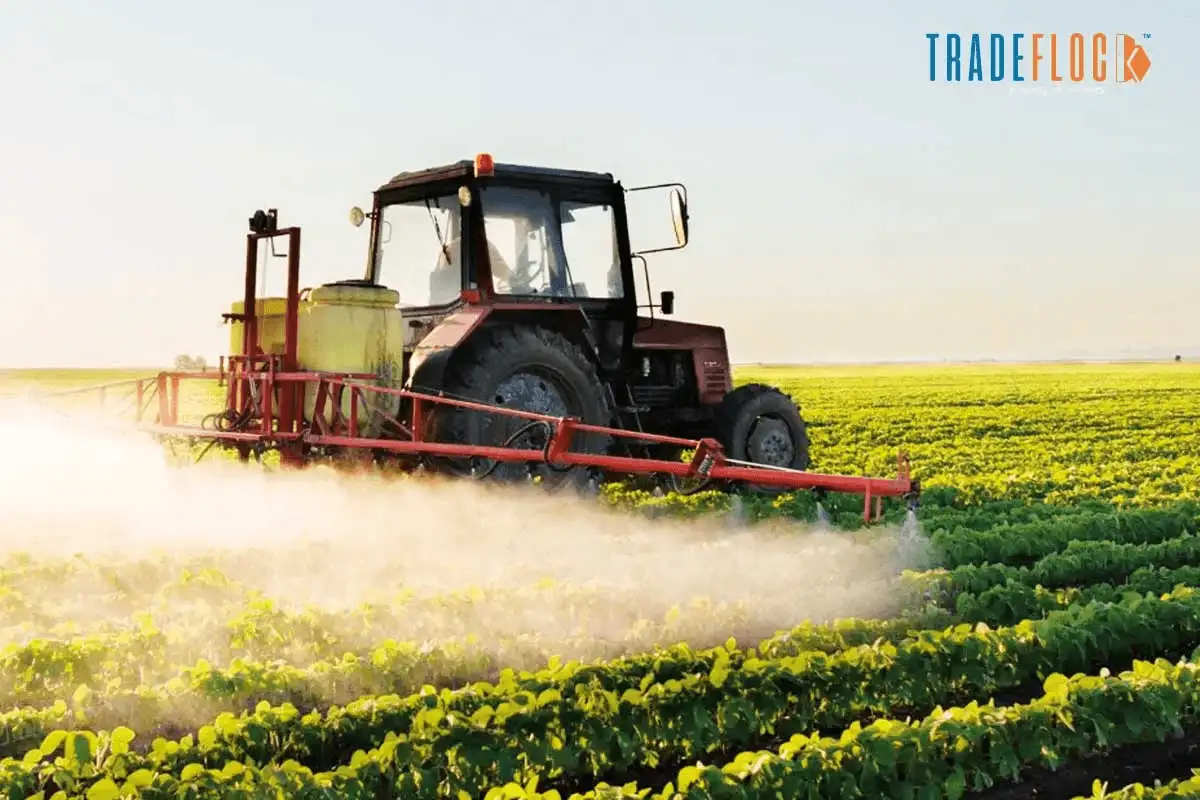
Agriculture is at the heart of the climate crisis. Agricultural supply chains, or farm-to-fork chains, account for nearly a third of global greenhouse gas emissions, as reported by the UN Food and Agriculture Organisation. Climate volatility is already wreaking havoc on crop yields, water access, and food security, and we have never been in greater need to decarbonize farming supply chains, especially since they are the source of much of the problem.
Table of Contents
Why Farming Supply Chains Are the Critical Battleground
Agriculture lacks the manufacturing-style carbon footprint associated with the production of a single item, as the industry’s emissions are too spread out to target effectively. If these emissions are not controlled, they could hinder global climate goals. More importantly, they also threaten the ecosystems that farming depends on. As shown in a recent analysis by McKinsey, the absence of decarbonisation could cause a reduction in global agricultural output by up to 30% by 2050 due to soil degradation and extreme weather.
Shifting from Pledges to Action
Over the past decade, food giants like Nestlé have set net-zero targets, but such sustainability efforts require structural change to be effective. Regenerative farming practices, food traceability in supply chains, and alternative proteins are increasingly popular options. According to a 2024 EY report, organisations that adopt low-carbon procurement not only reduce emissions but also decrease volatility in their input prices.
Technology as an Accelerator
Digital technologies are accelerating the pace and scale of decarbonization. Advances in precision agriculture, AI-based climate models, and blockchain traceability enable farmers and companies to monitor, report, and reduce emissions in real time. A Deloitte study shows that digital monitoring in supply chains could cut waste-related emissions by 20% in five years.
The Case for Urgency
Inaction comes at a very high cost. Slow transitions will not only worsen climate impacts but also expose companies to regulatory risks, shareholder activism, and consumer boycotts. Europe has already signaled this with the EU Deforestation-free supply chain rules and the carbon border taxes, indicating that carbon-heavy food supply chains may soon become uncompetitive.
Farming the Future
Decarbonising the farming supply chains is no longer just an environmental response measure; it’s a survival tactic. Sector transformation should accelerate due to increased coordination between farmers, corporations, regulators, and consumers. Speed is crucial, as there is a clock of climate, and the resilience of the global food system depends on it.